
Contribution to the strengthening of participatory democracy, EU integration and regional cooperation in the Western Balkans
The three-year regional project Regional Youth Dialogue for Europe (RYDE), aimed at increasing participation of young people in decision making process; improving understanding and cooperation in Western Balkans; and strengthening active support of citizens for reform and EU integration, was funded by the European Union and implemented by the Center for Democracy Foundation in cooperation with partner civil society organizations from the Western Balkans region. RYDE was implemented from January 2023 until January 2026 in Albania, Bosnia and Herzegovina, Kosovo*, North Macedonia and Serbia, with participating students and organizations from Montenegro.
Through three extraordinarily interesting and exciting years of our work on the RYDE project, together with our grantees, supported informal groups, participants in our activities, from various ways of life, we developed a potent network and new partnerships within civil society in the region. We raised capacities and contributed to the increased knowledge and skills of many. Youth voices were made more vocal. Opportunities for regional cooperation were created and well used. Young men and women, civic activists, experts, policy makers engaged in debating a variety of issues of the highest concerns of youth and our societies: youth participation, youth employment, education, youth health, youth attitudes towards cultural heritage and culture in general. EU values of democracy, rule of law and human rights were promoted as well as the benefits of the EU integration of the Western Balkan economies were discusses and made more visible to citizens.
What were the RYDE objectives?
The overall aim of the RYDE project was to contribute to strengthening participatory democracy, EU integration and regional cooperation in the Western Balkans through supporting increased role and impact of CSOs, including youth organizations, in promoting democratic values and political, economic and social benefits of the EU integration for the WB societies.
RYDE specific objectives were:
 To increase participation of CSOs and youth in dialogue on public policies on national/ regional level, with focus on human development and social investment policies relevant for youth and other marginalized groups
- To strengthen capacities and foster cooperation of CSOs and youth in the WB in addressing political, economic and social challenges and development of the social resilience
- To promote participatory democracy, democratic values and tolerant political culture

DOWNLOAD: Illustrative Report RYDE 2023-2026 (PDF) >>>
What were the achieved results?
Nearly 9,000 participants from across the Western Balkans were engaged, representing a wide range of stakeholders’ groups, including young people, civic activists, CSO representatives, youth and women’s organizations, youth councils, policymakers and public institutions, activists and officials of political parties, media, social partners and experts. They took part in over 145 activities implemented by project partners, sub-grantees and informal groups.

Participation of CSOs and youth in structured dialogue on public policies significantly increased.
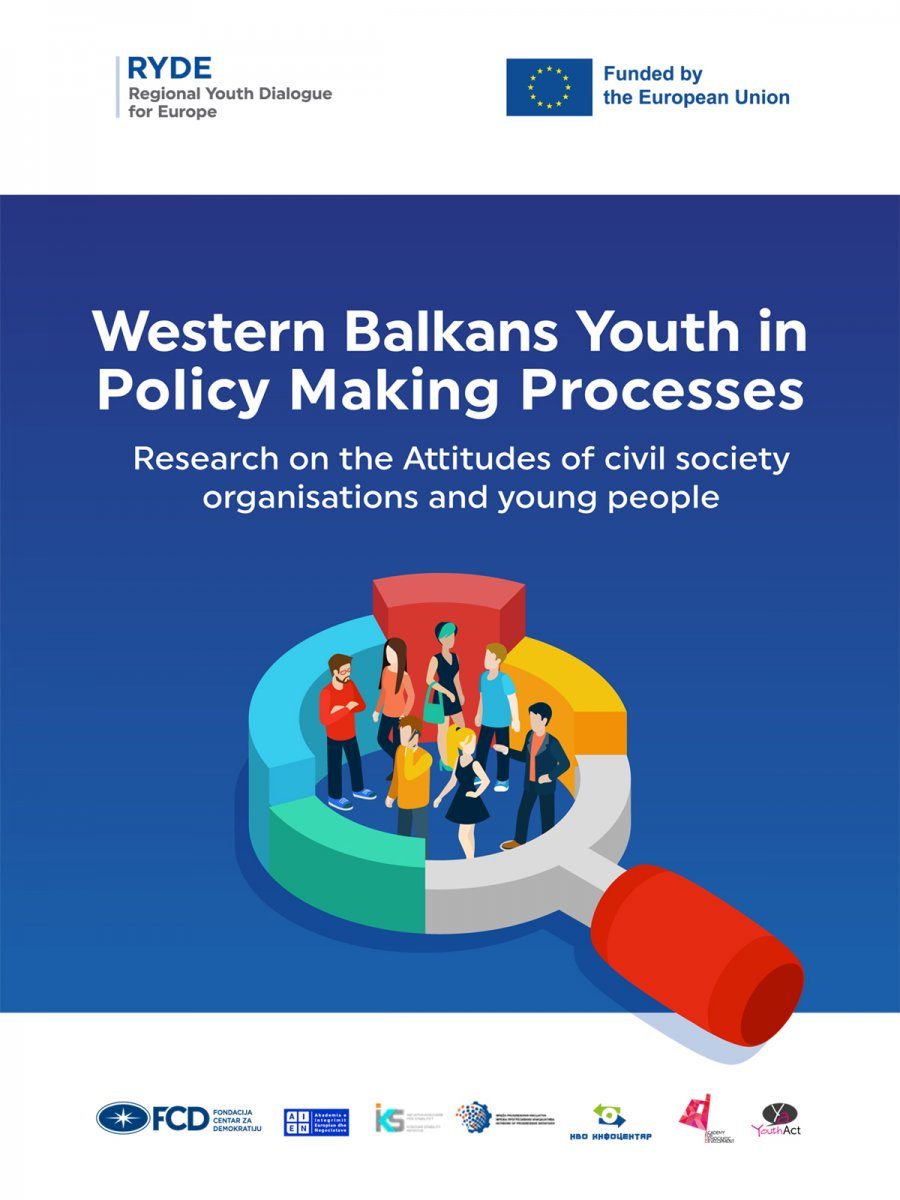
- As a basis for dialogue, two regional research and analysis reports on policy-making processes and youth policies were conducted and presented across the WB region
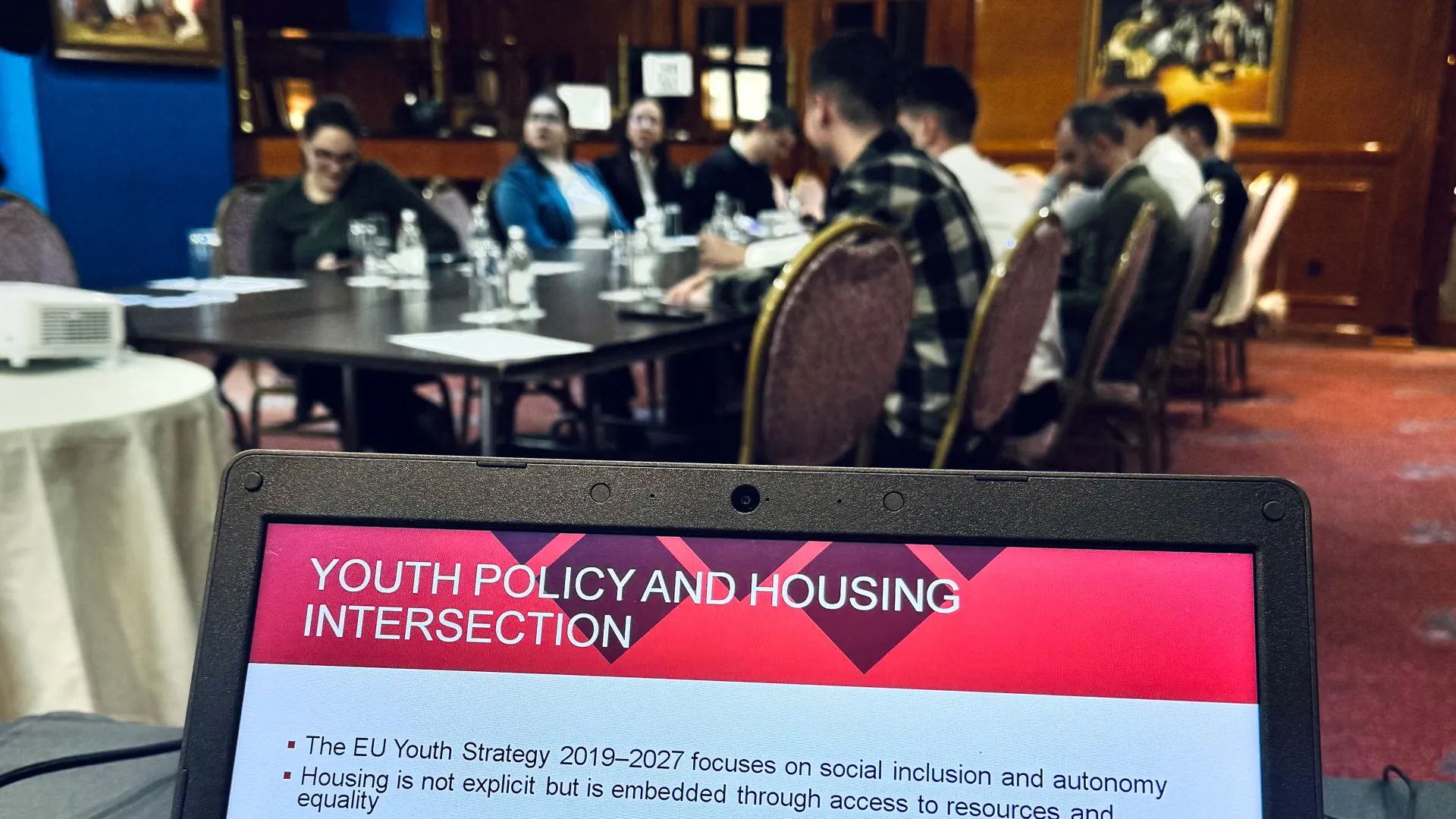
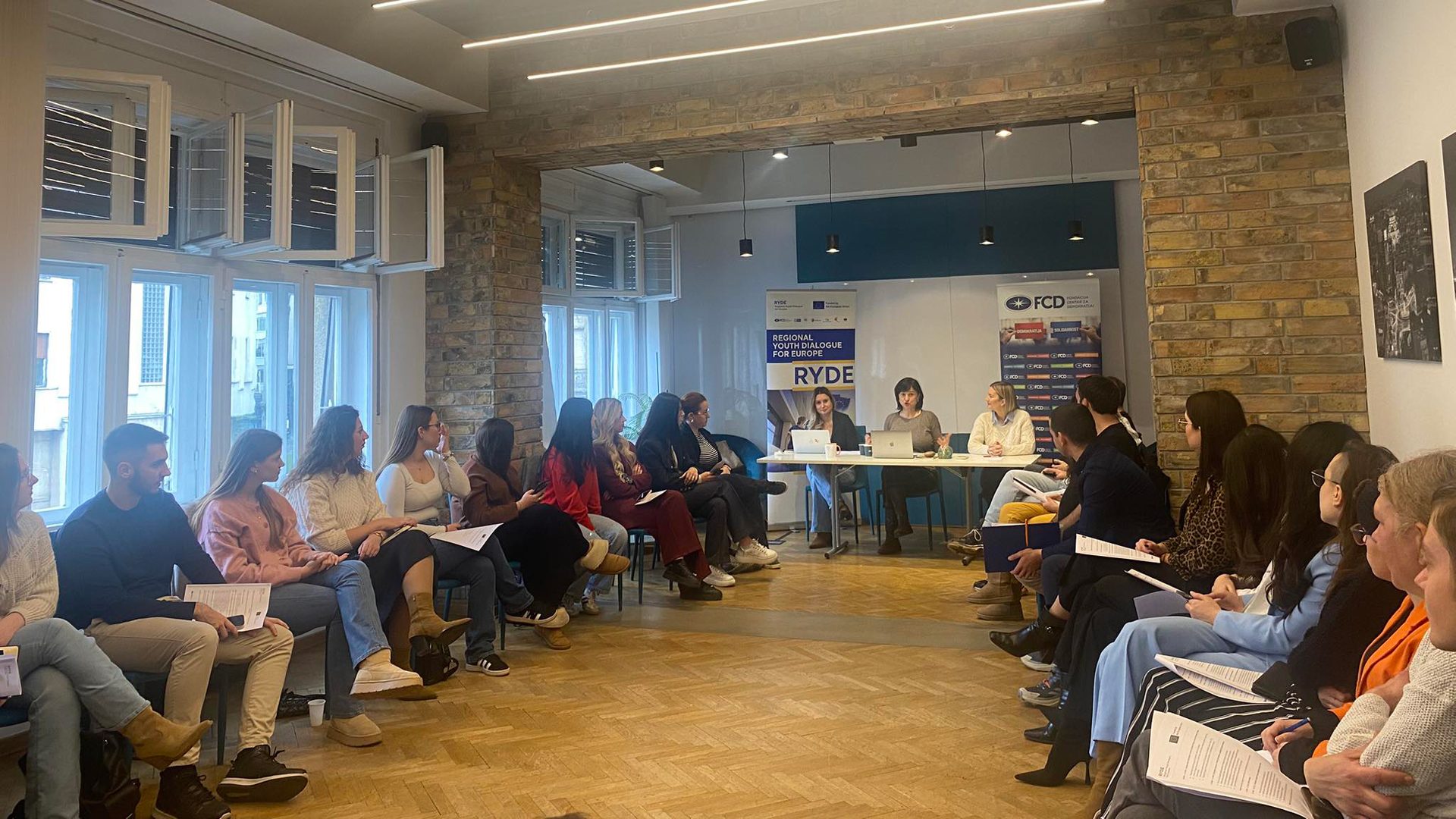
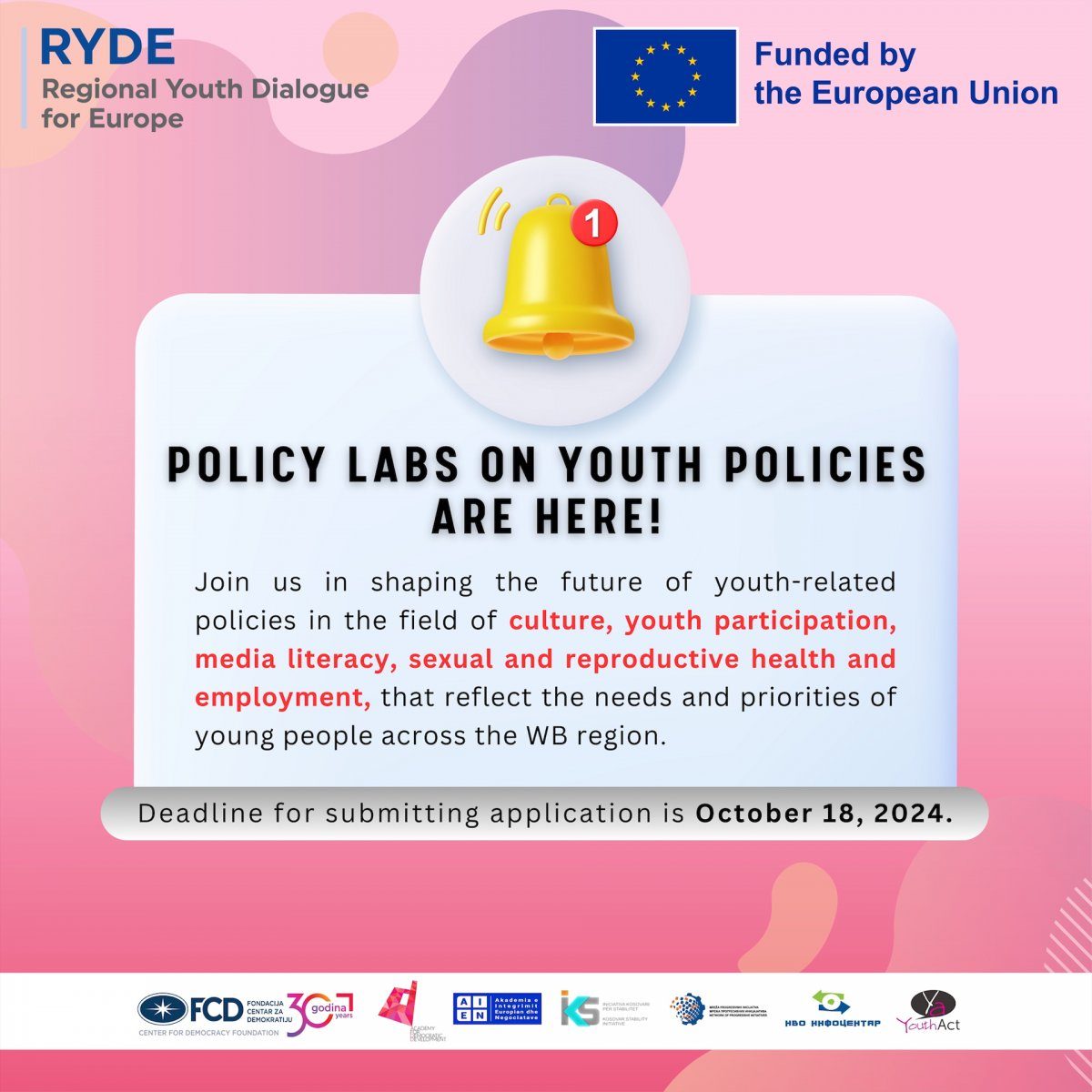
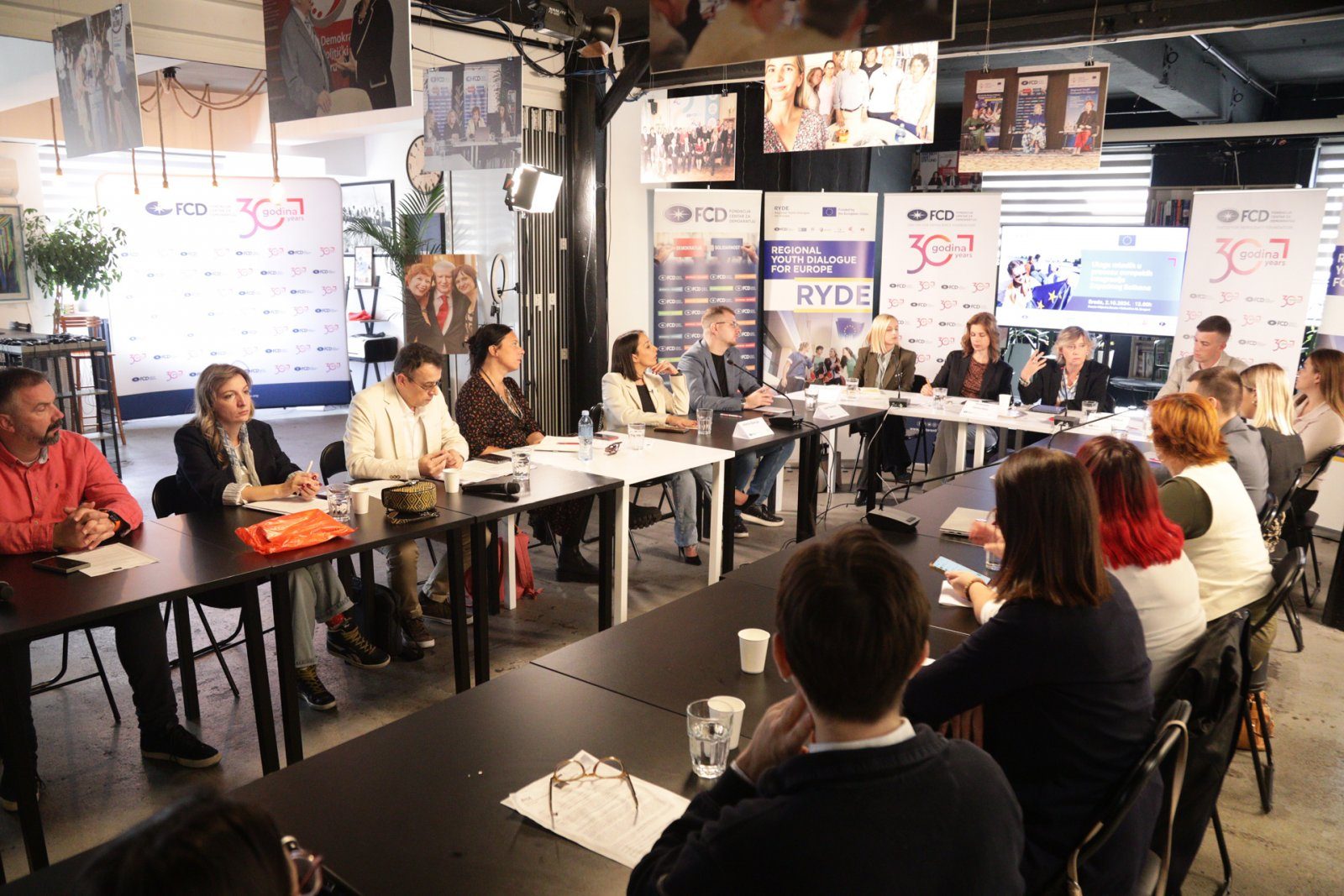
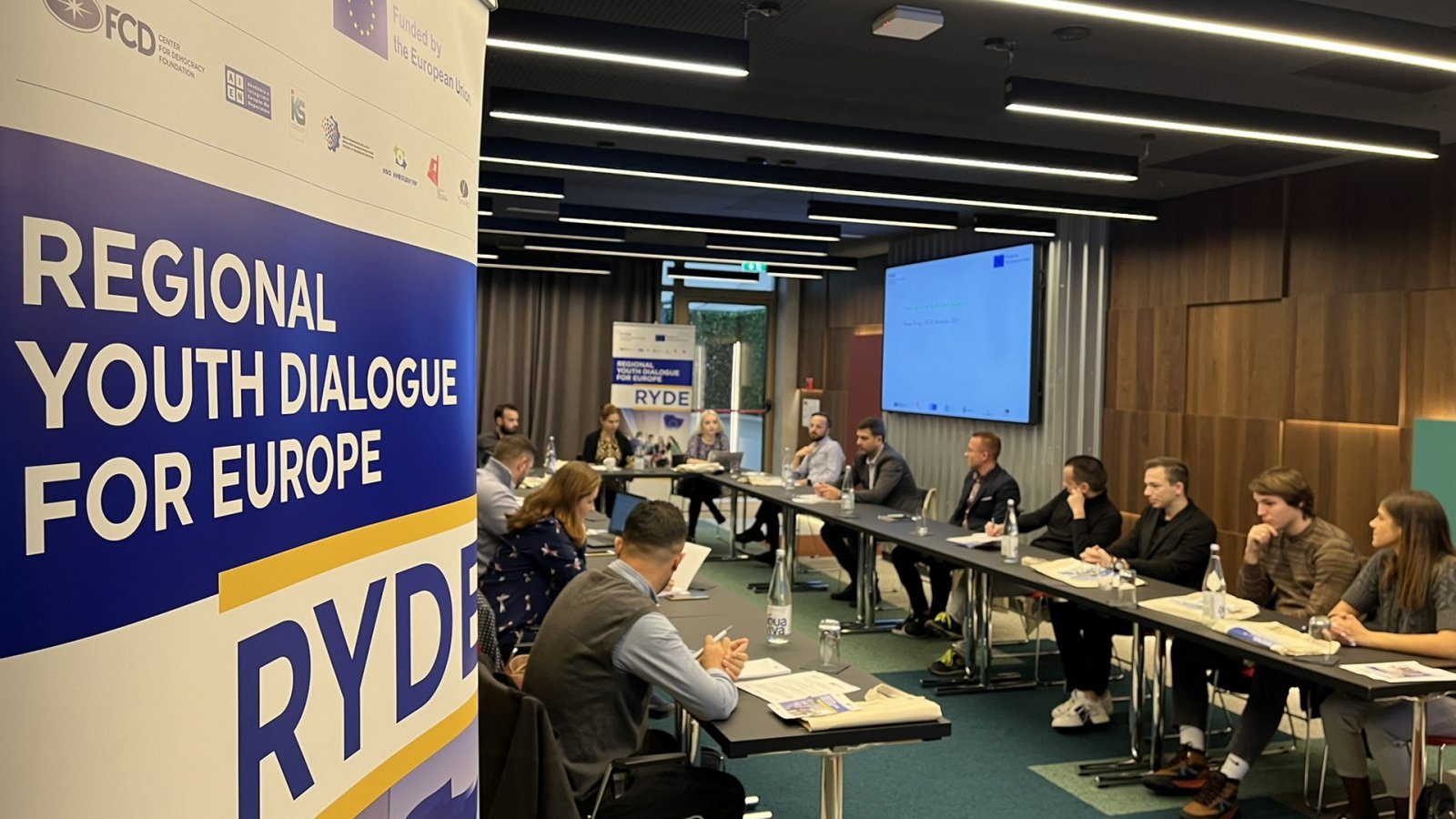
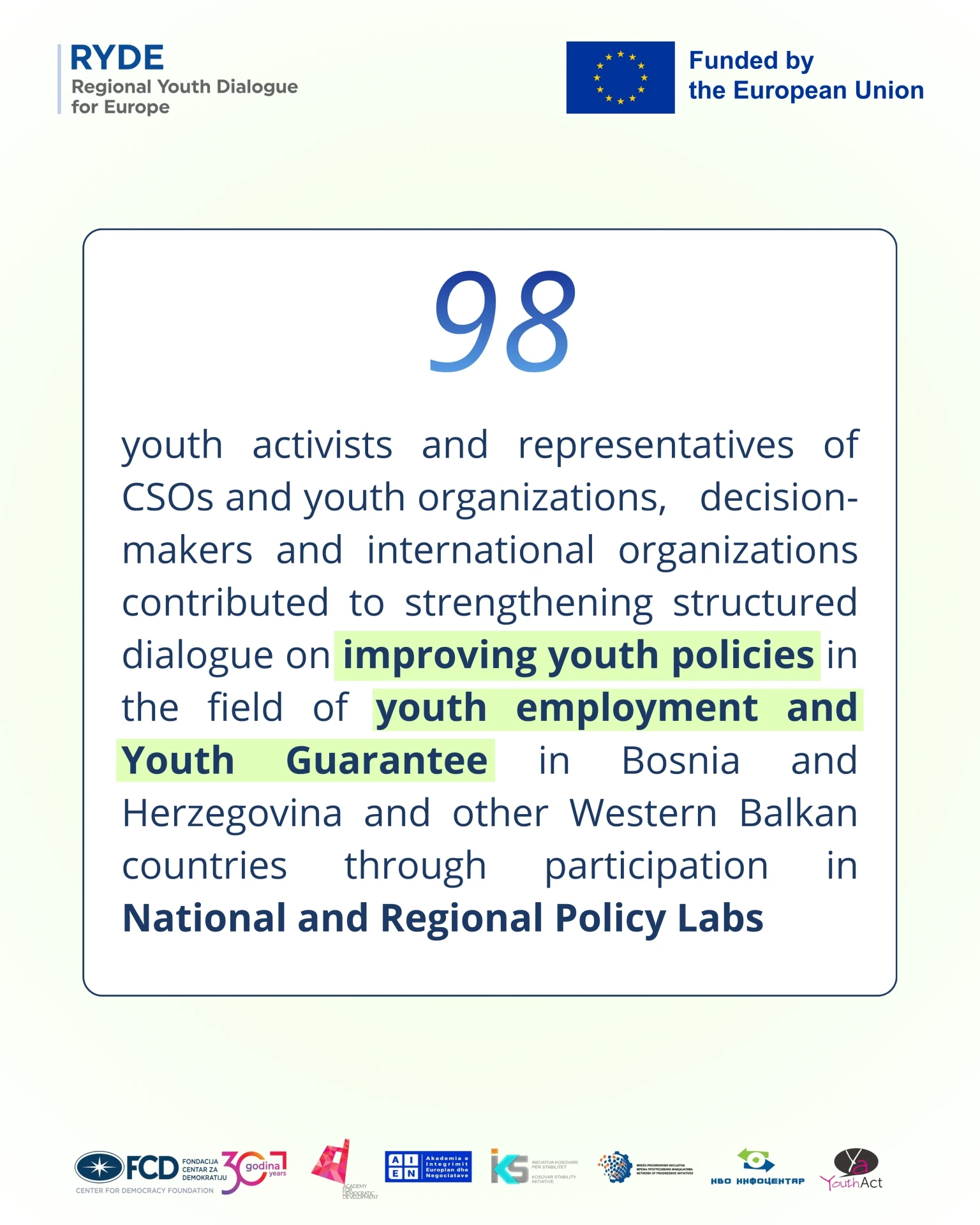
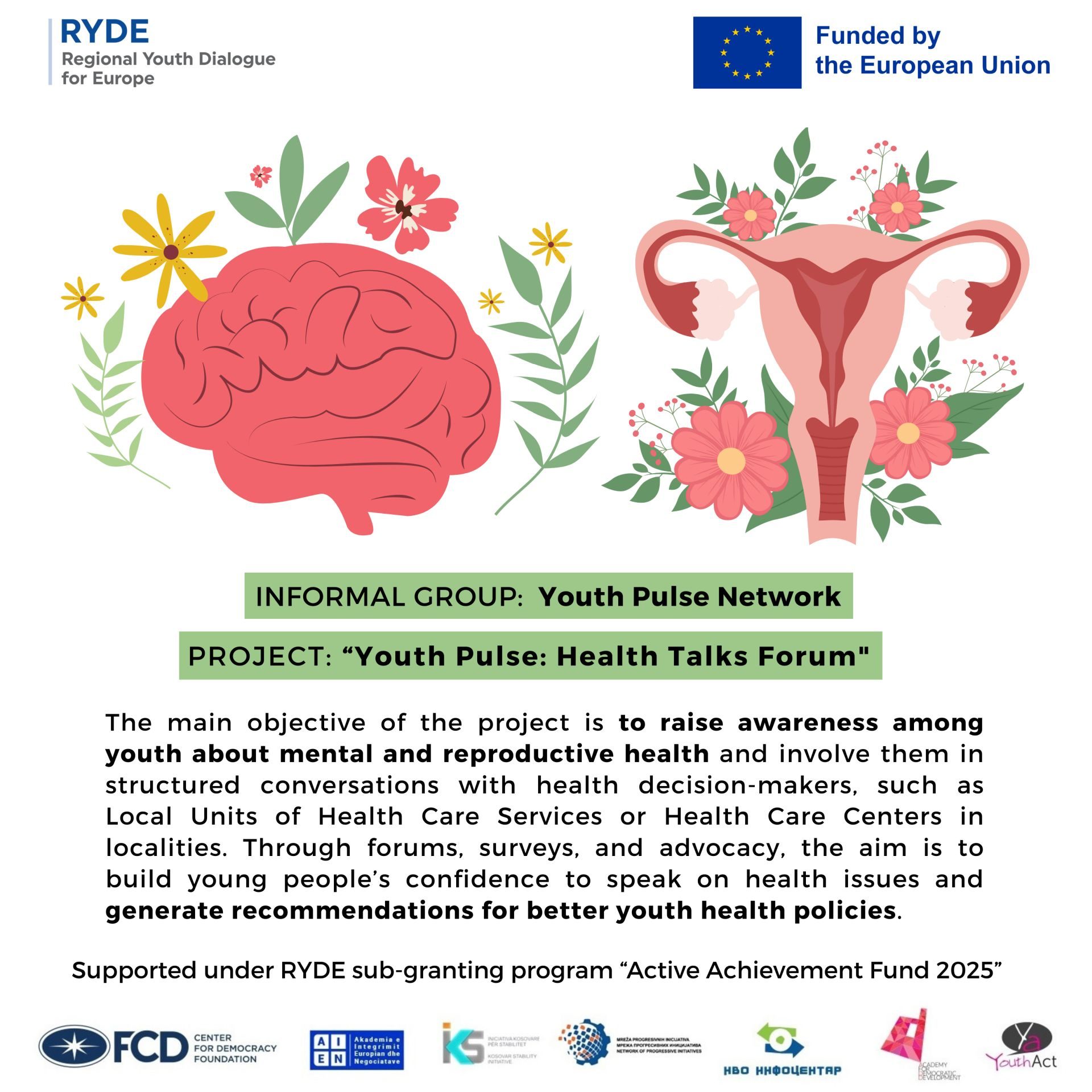
- Dialogue was further strengthened through 30 policy labs organized at national and regional levels, engaging 356 participants, including 127 CSOs, and resulting in 70 policy recommendations adopted at both levels. These recommendations addressed key issues such as youth participation mechanisms, employment (with a focus on the Youth Guarantee), sexual and reproductive health, media and digital literacy, and youth participation in cultural life
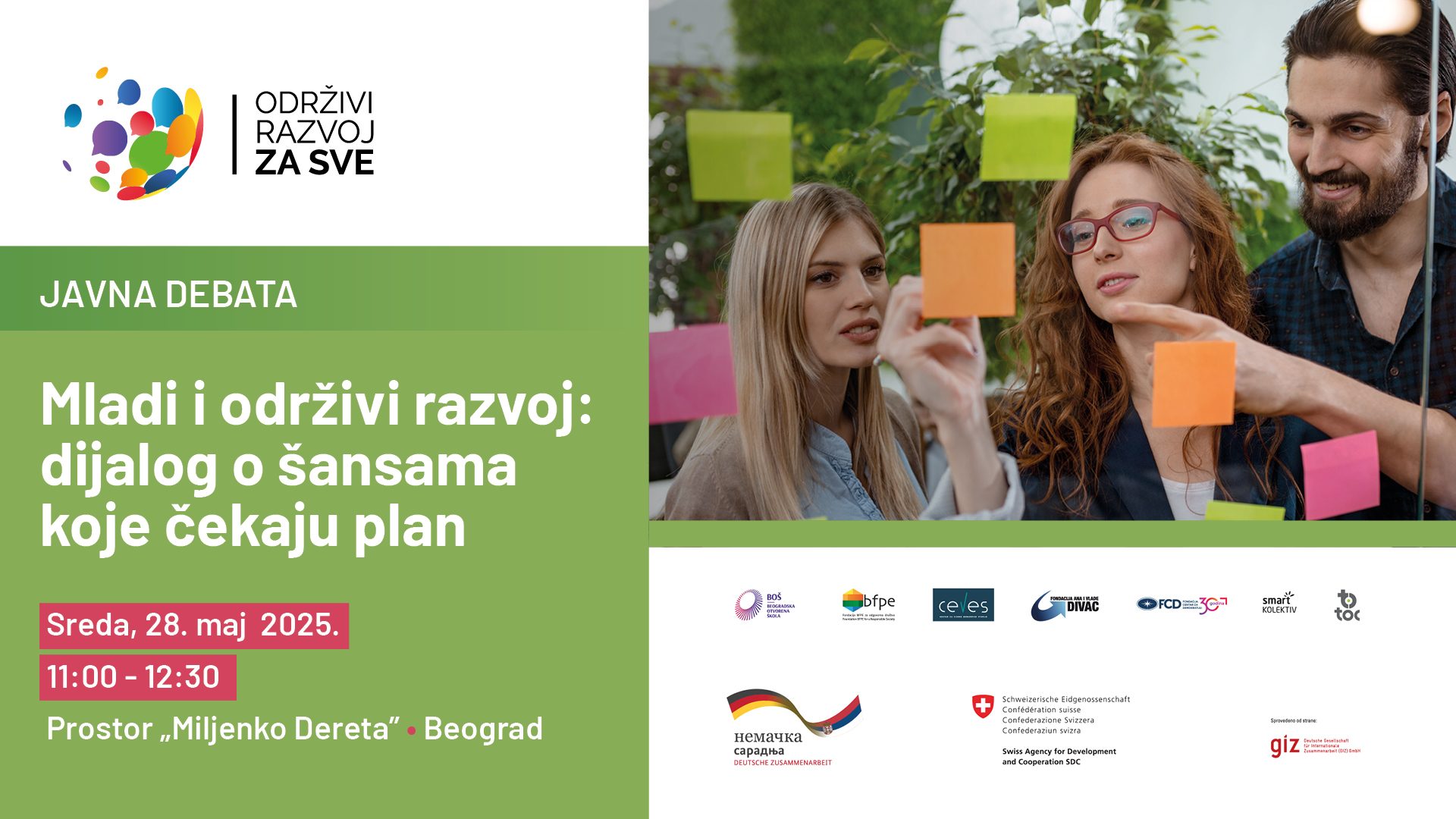
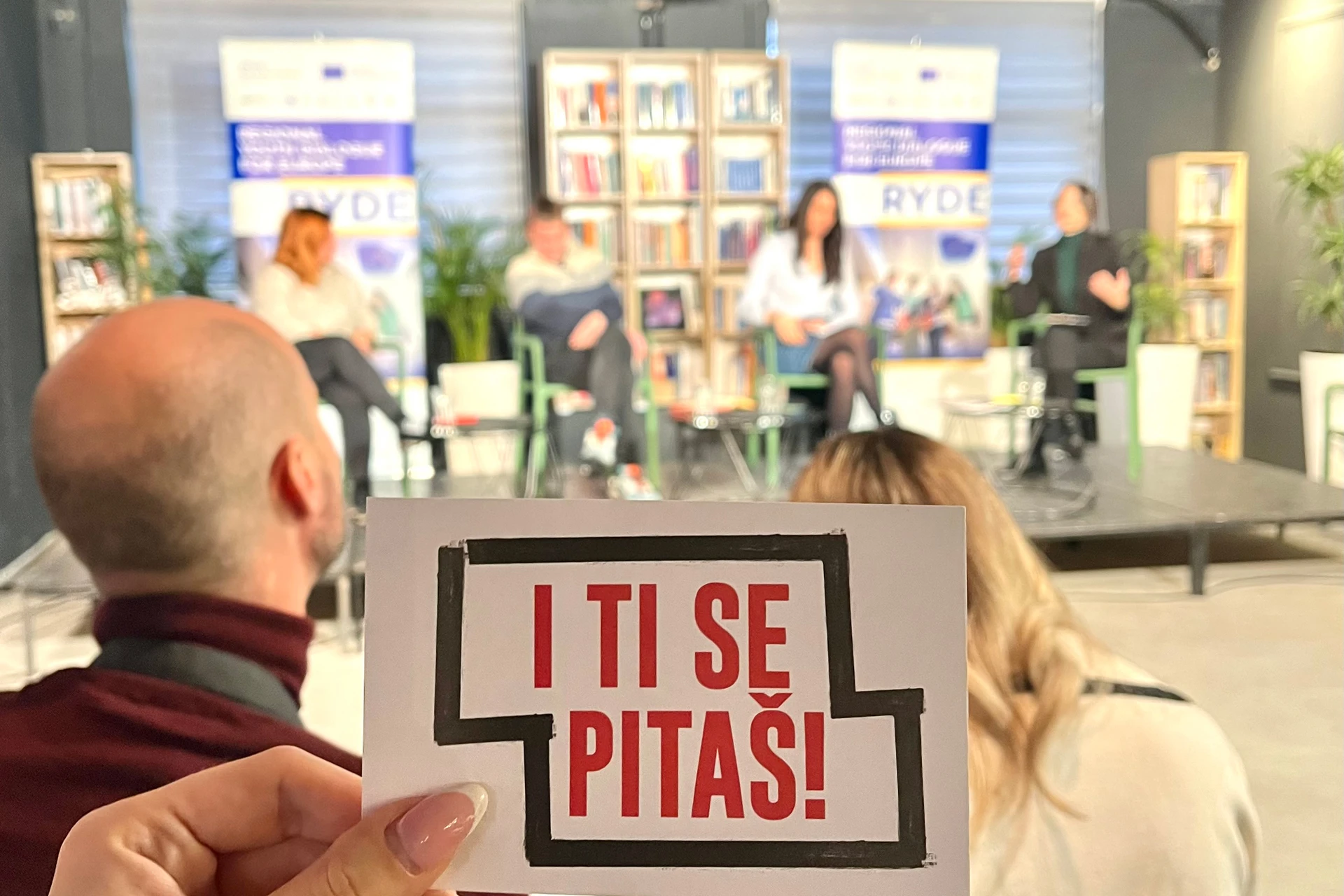
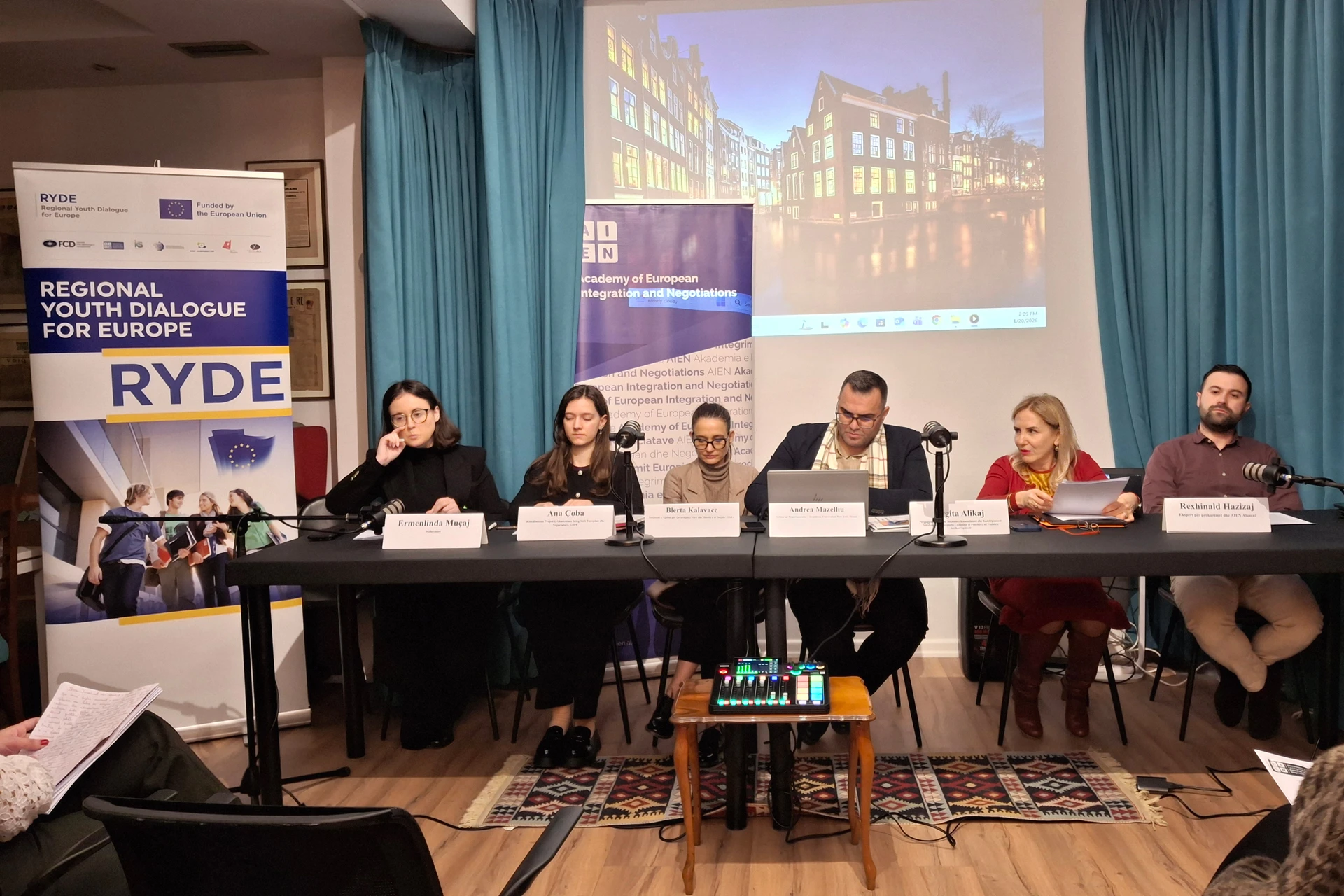
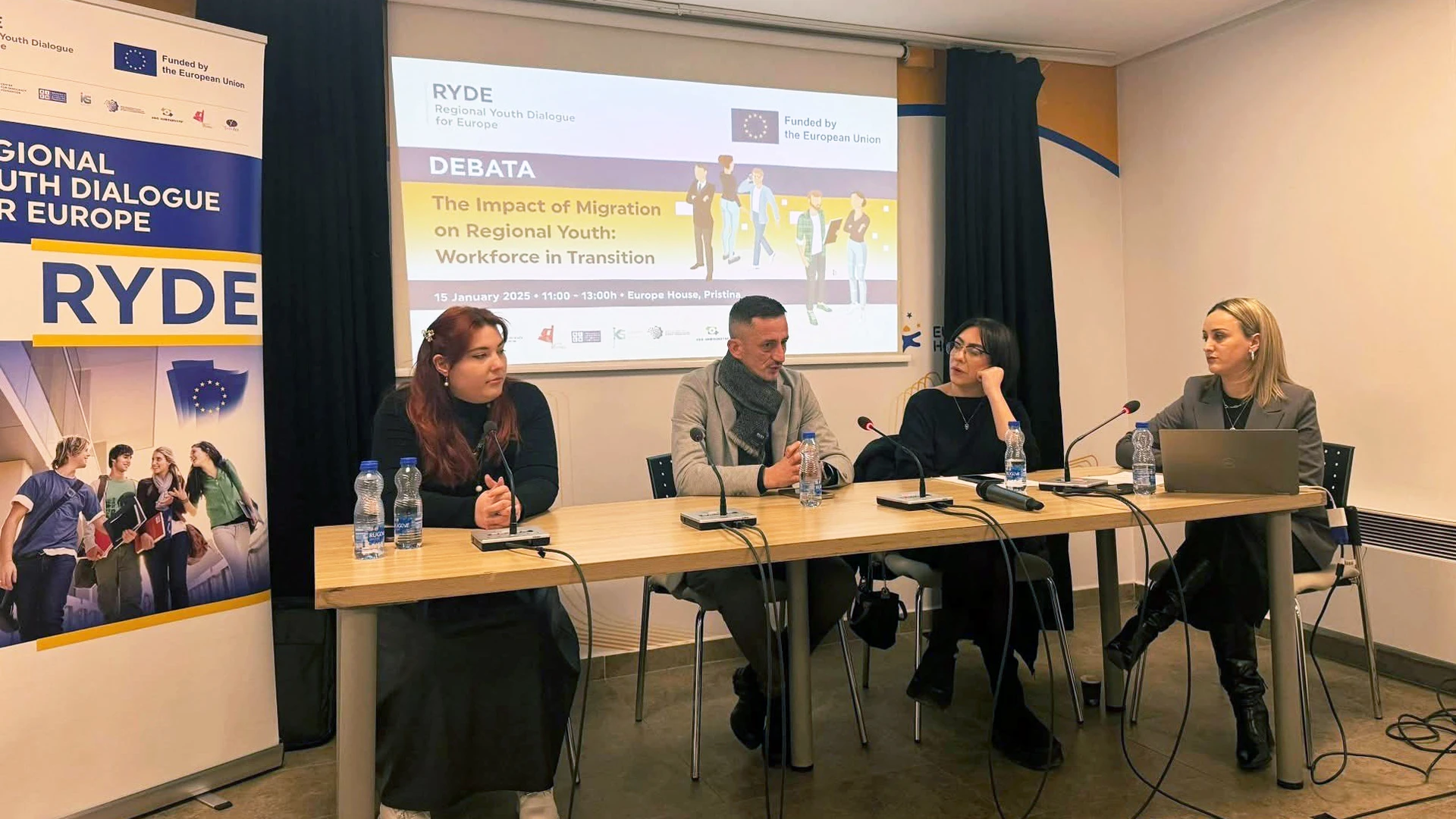
- Six public debates engaged nearly 257 participants
- High-level regional conference gathered 515 participants and produced 25 recommendations
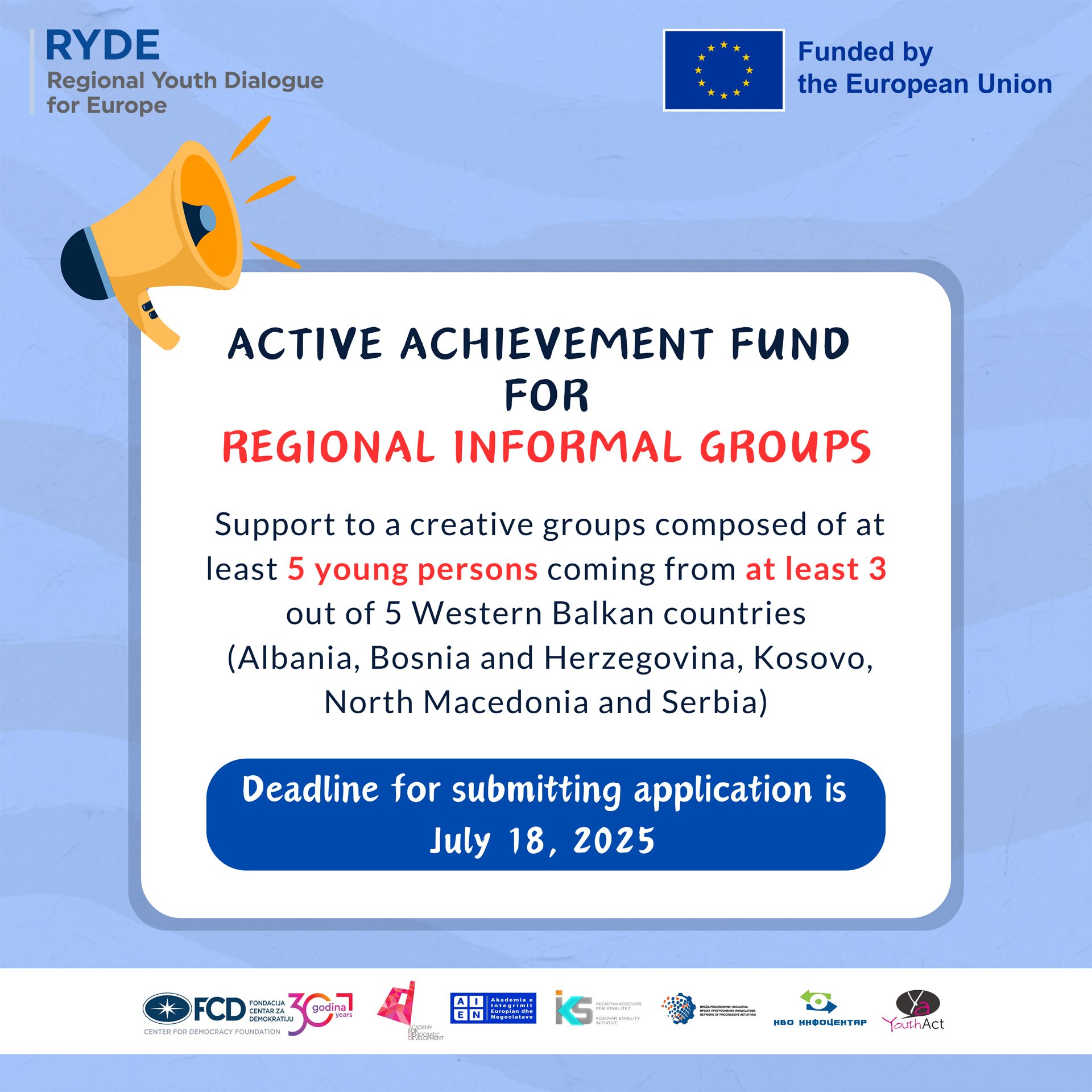
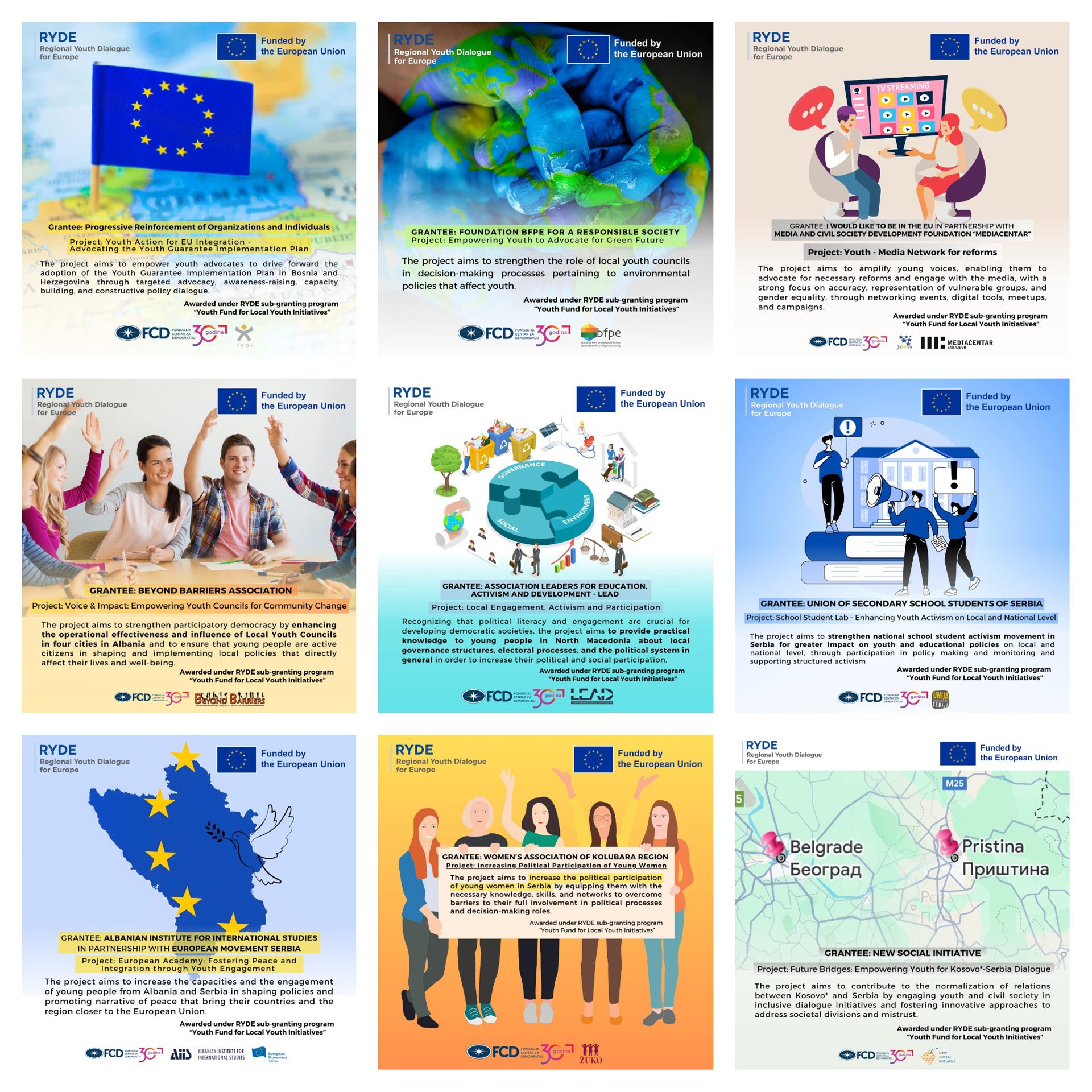
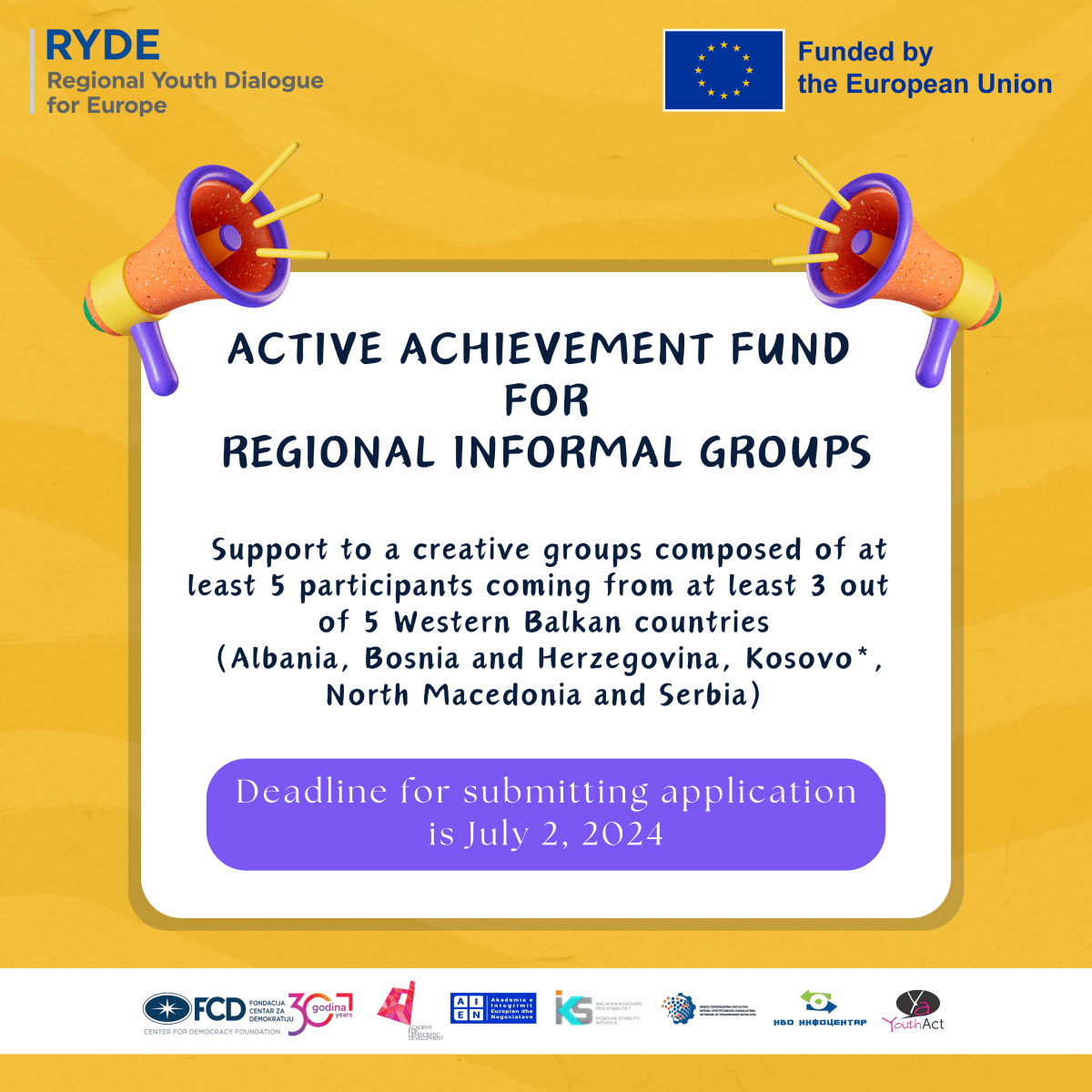
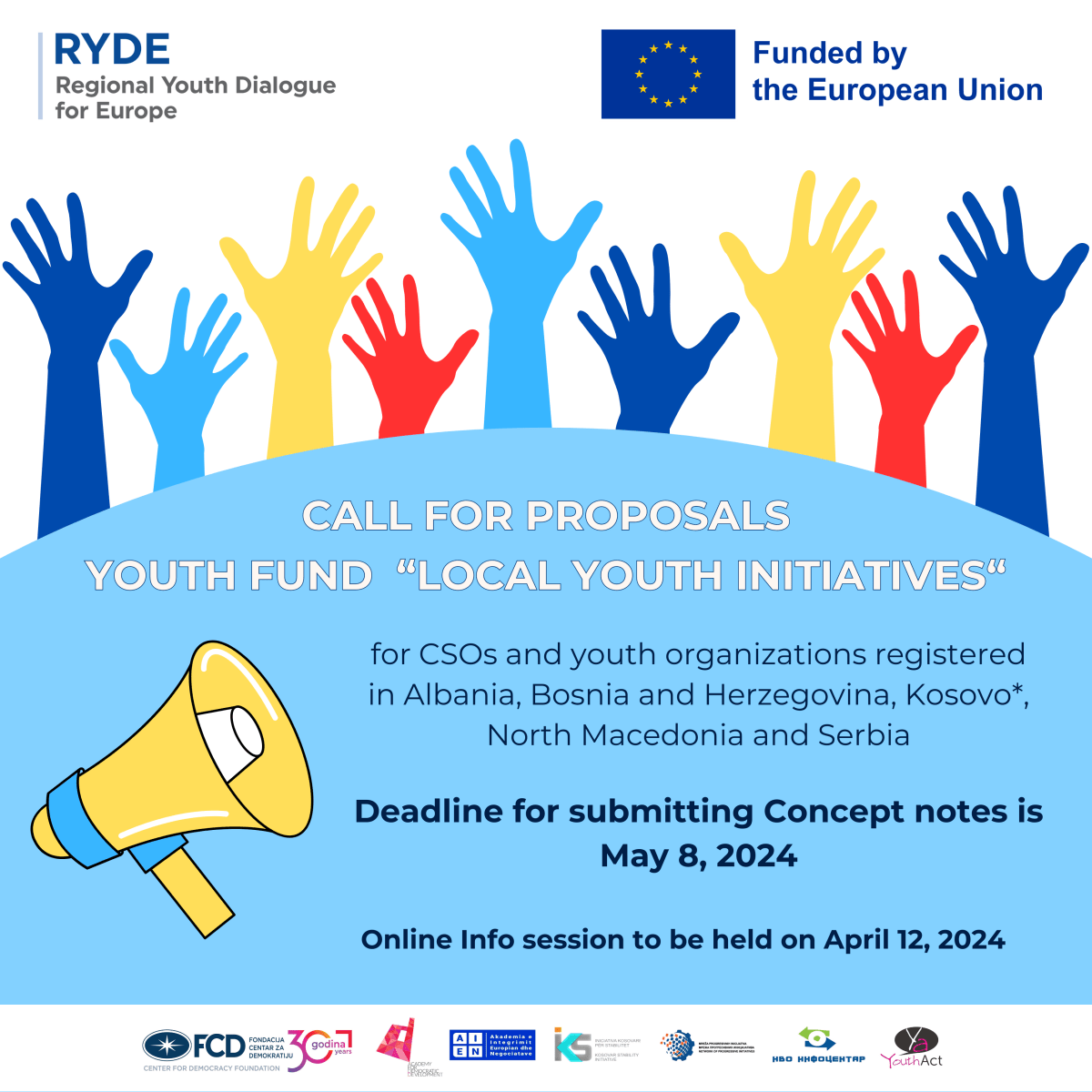
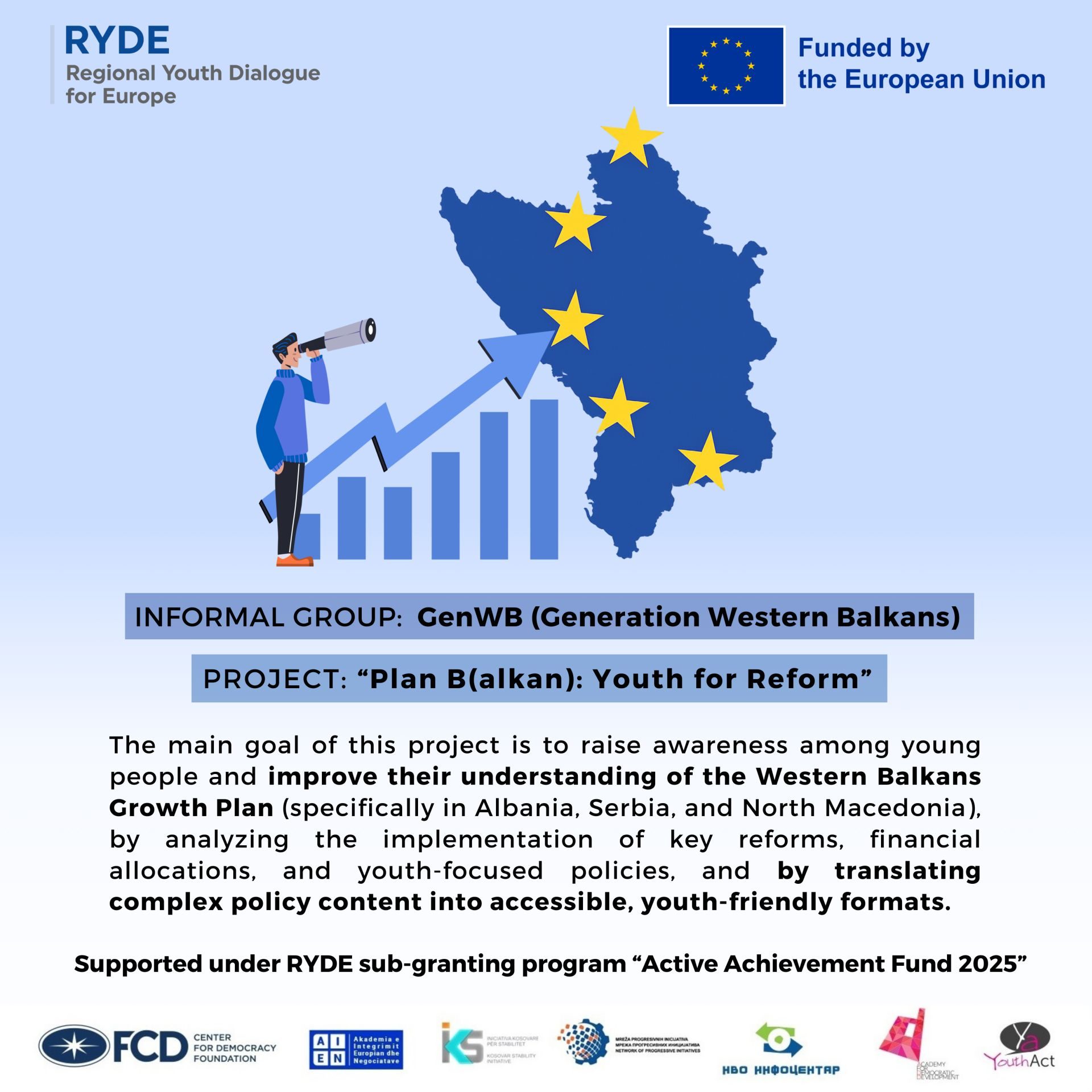
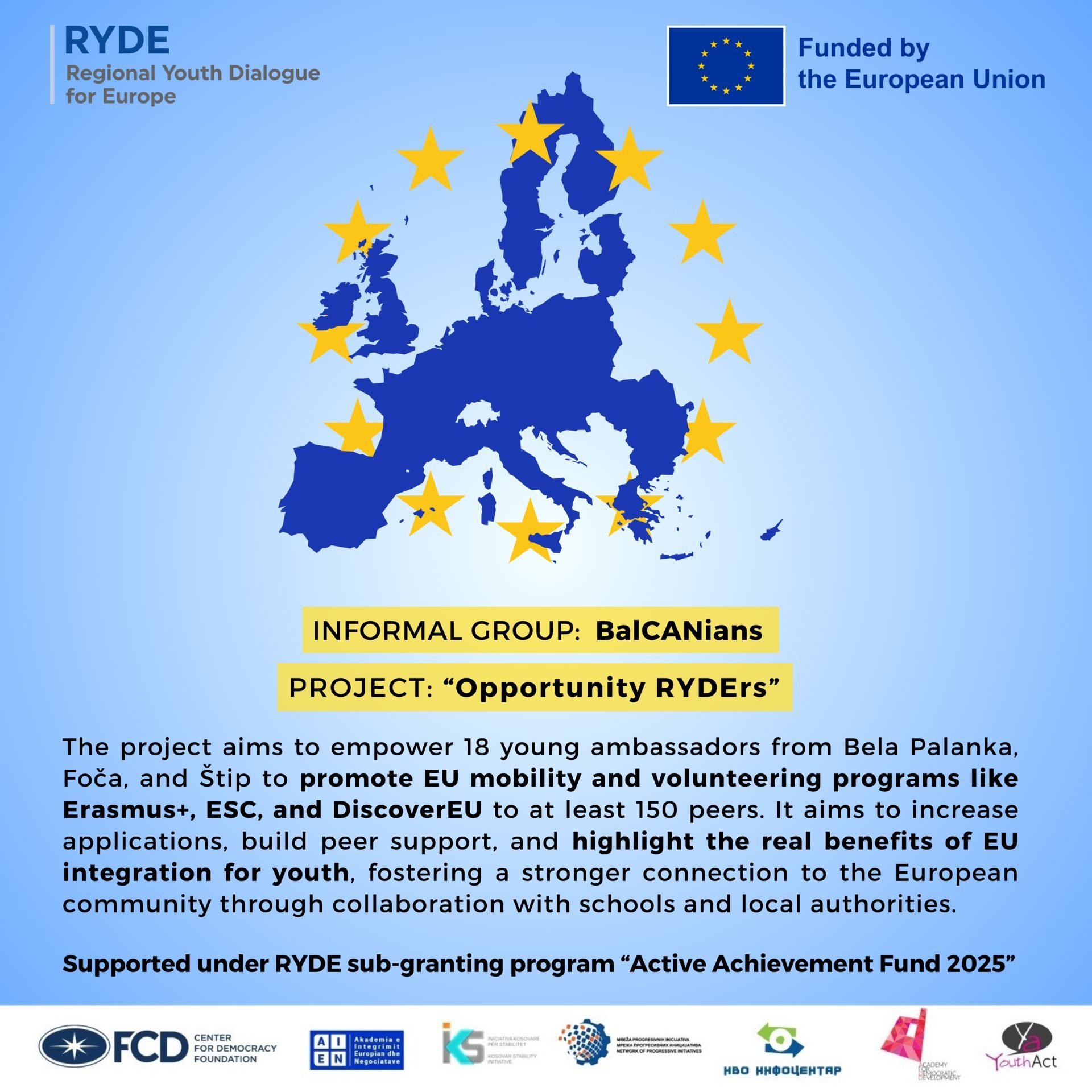
- Through financial support to CSOs (Youth Fund) and informal groups (Youth Achievement Fund), dialogue was further expanded, engaging more than 800 participants across various exchange formats and generating over 200 additional policy recommendations


The capacities of CSOs and youth to address political, economic, and social challenges in the context of EU integration were strengthened.
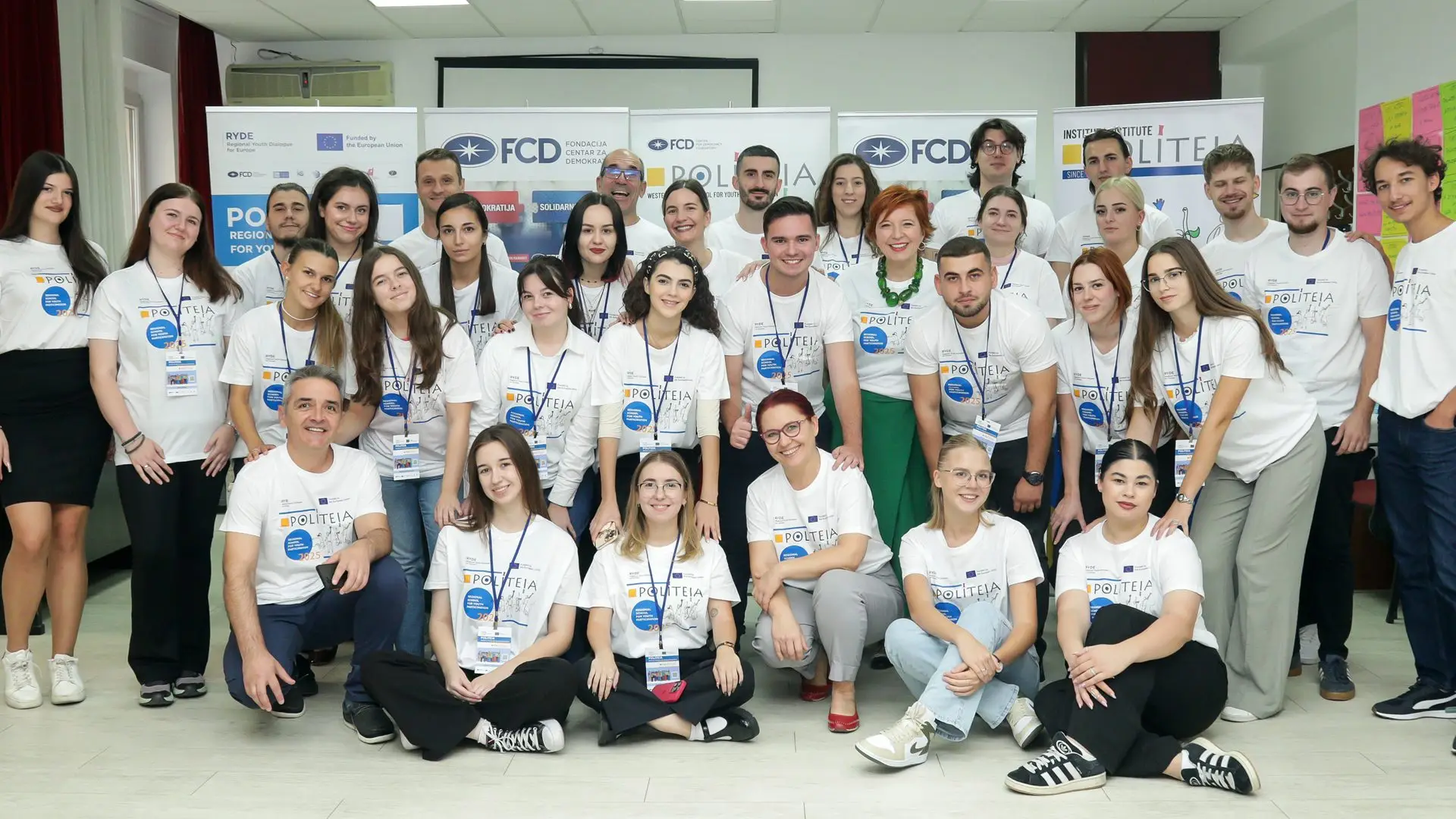
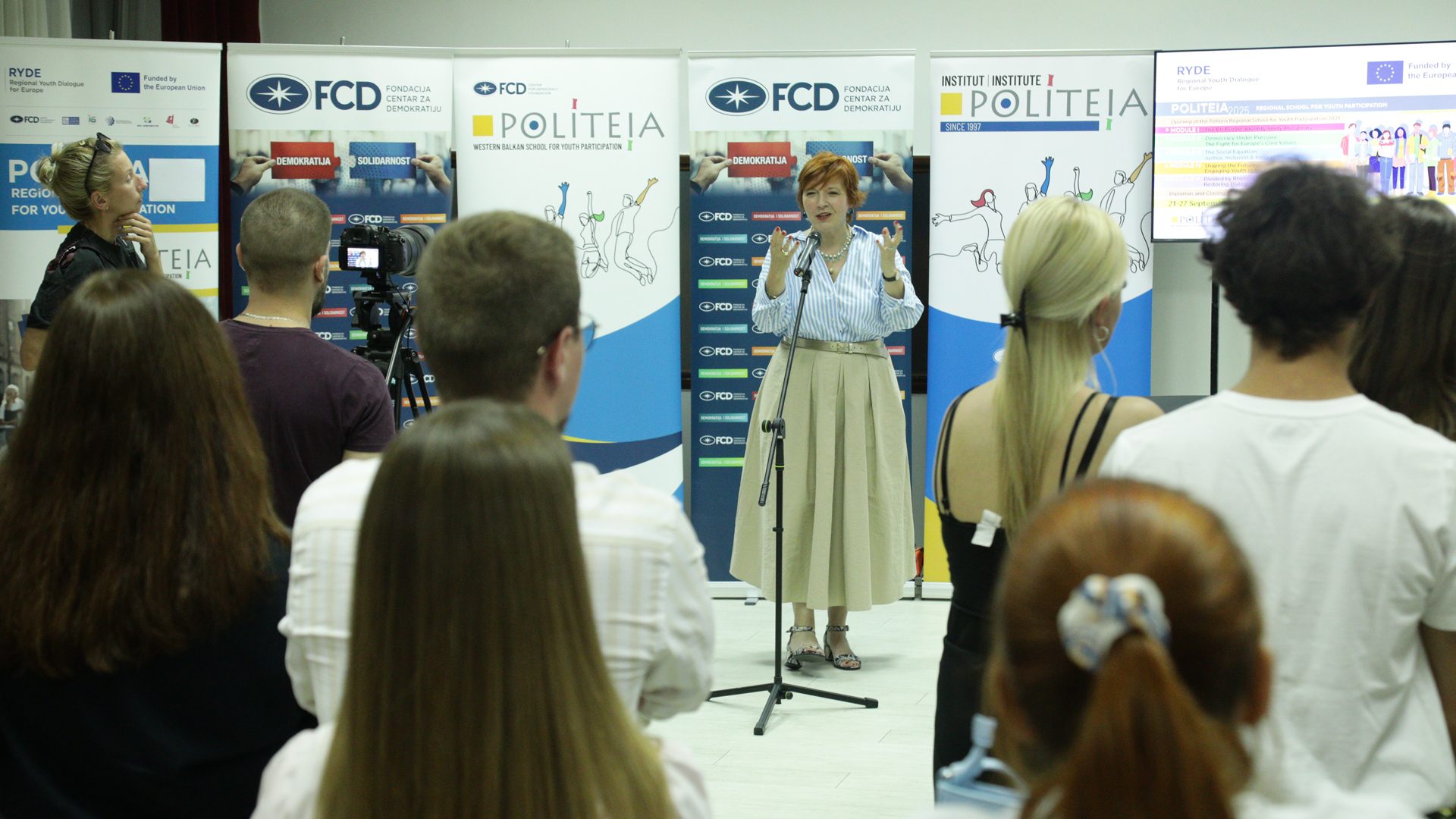
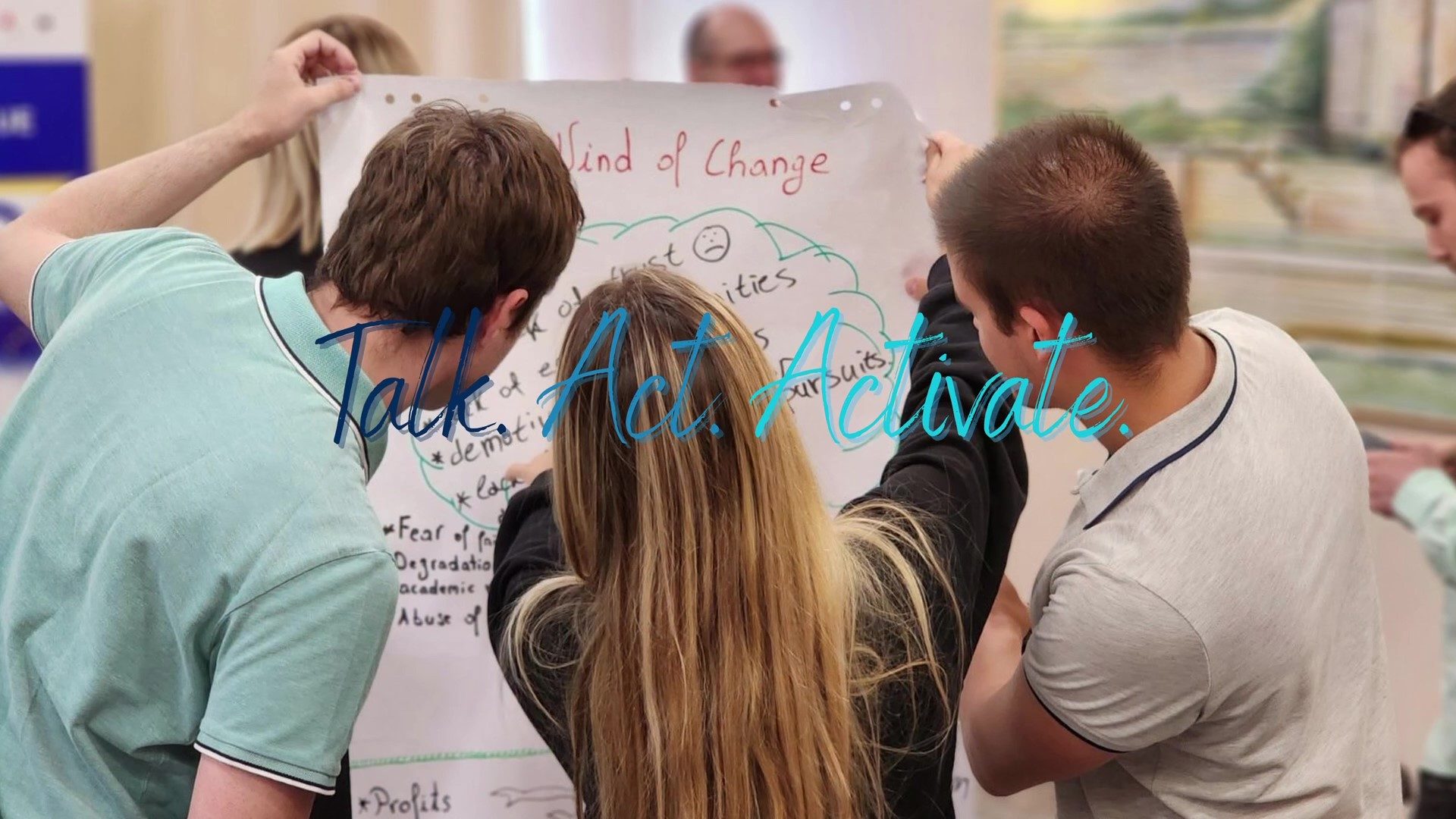
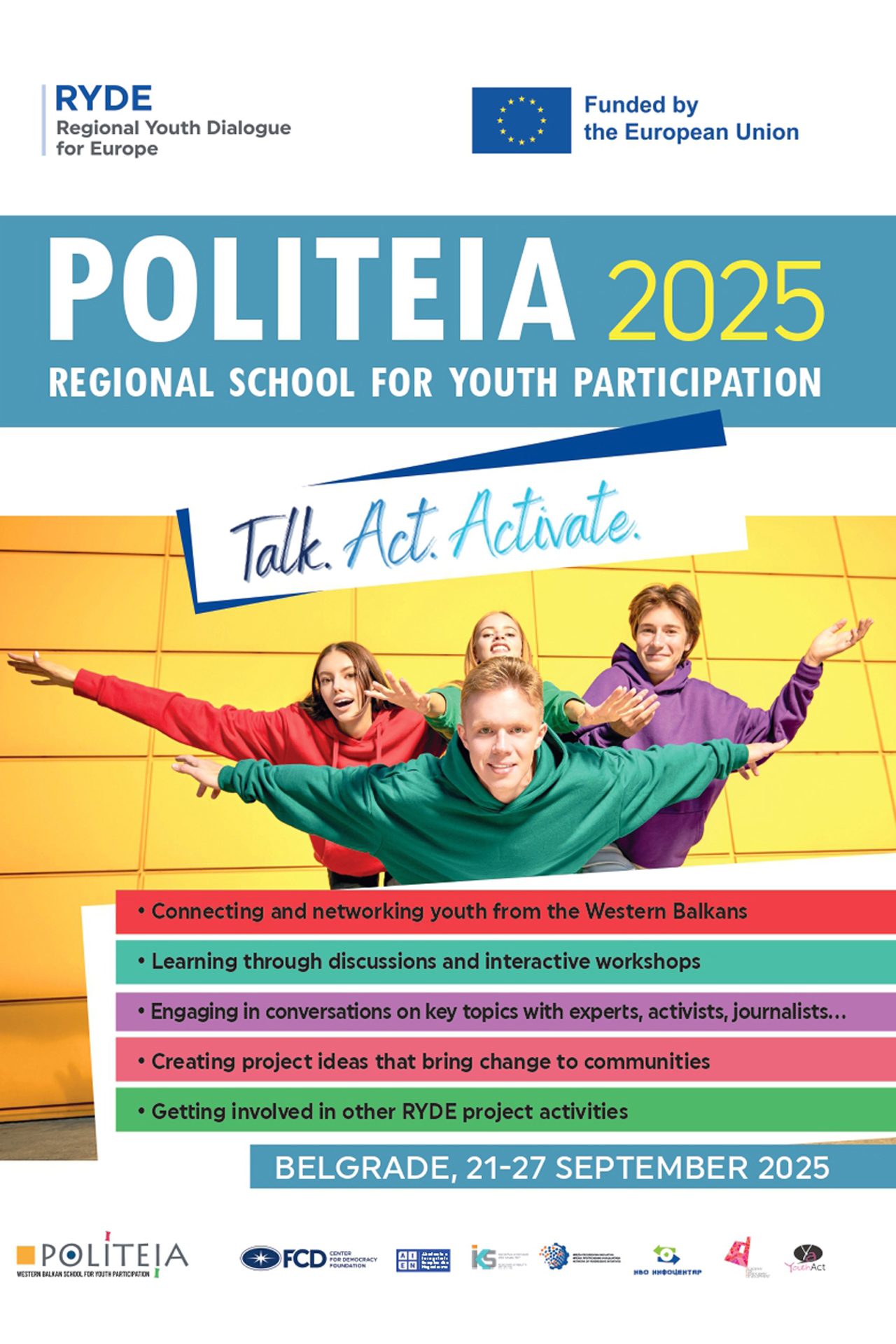
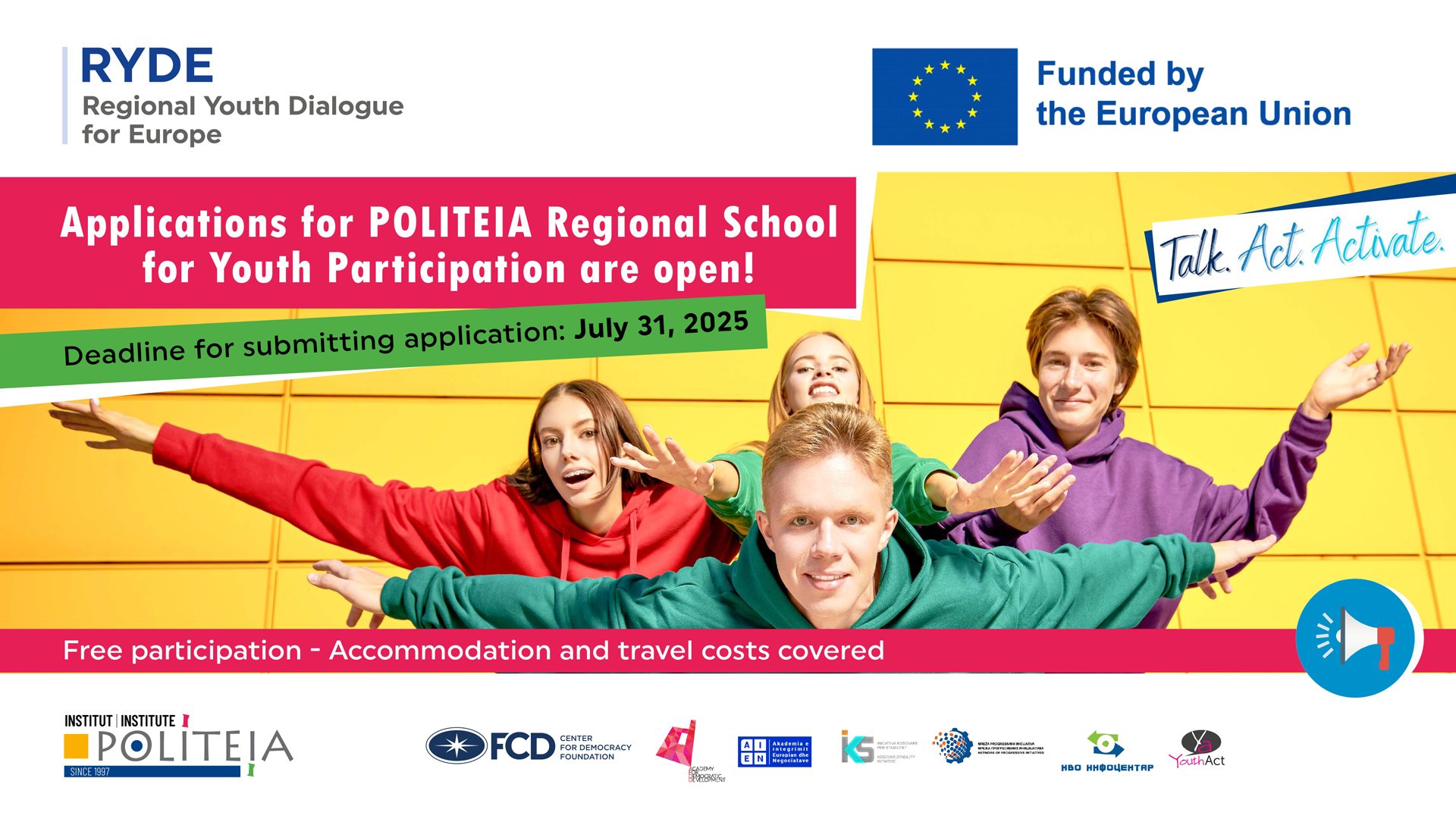
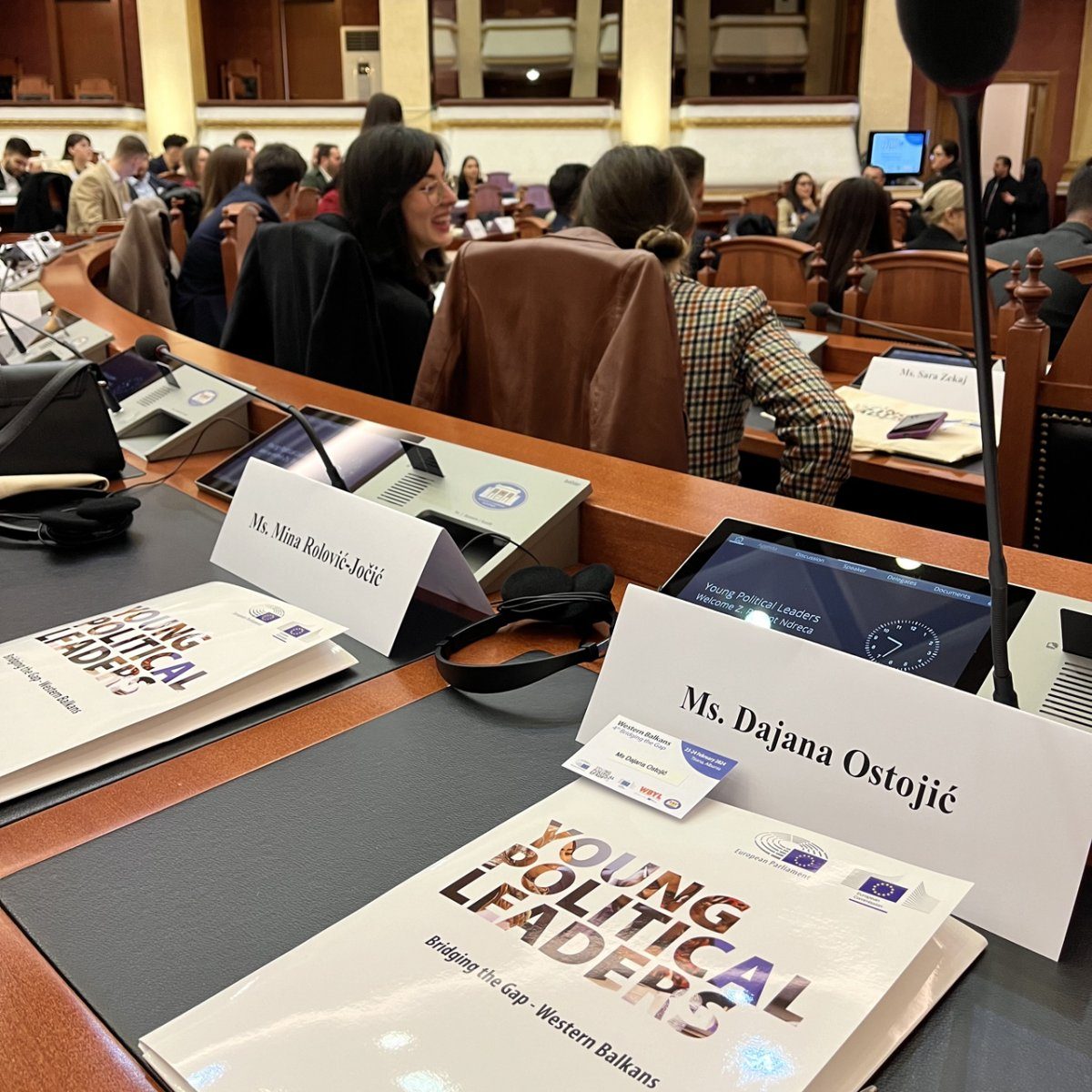
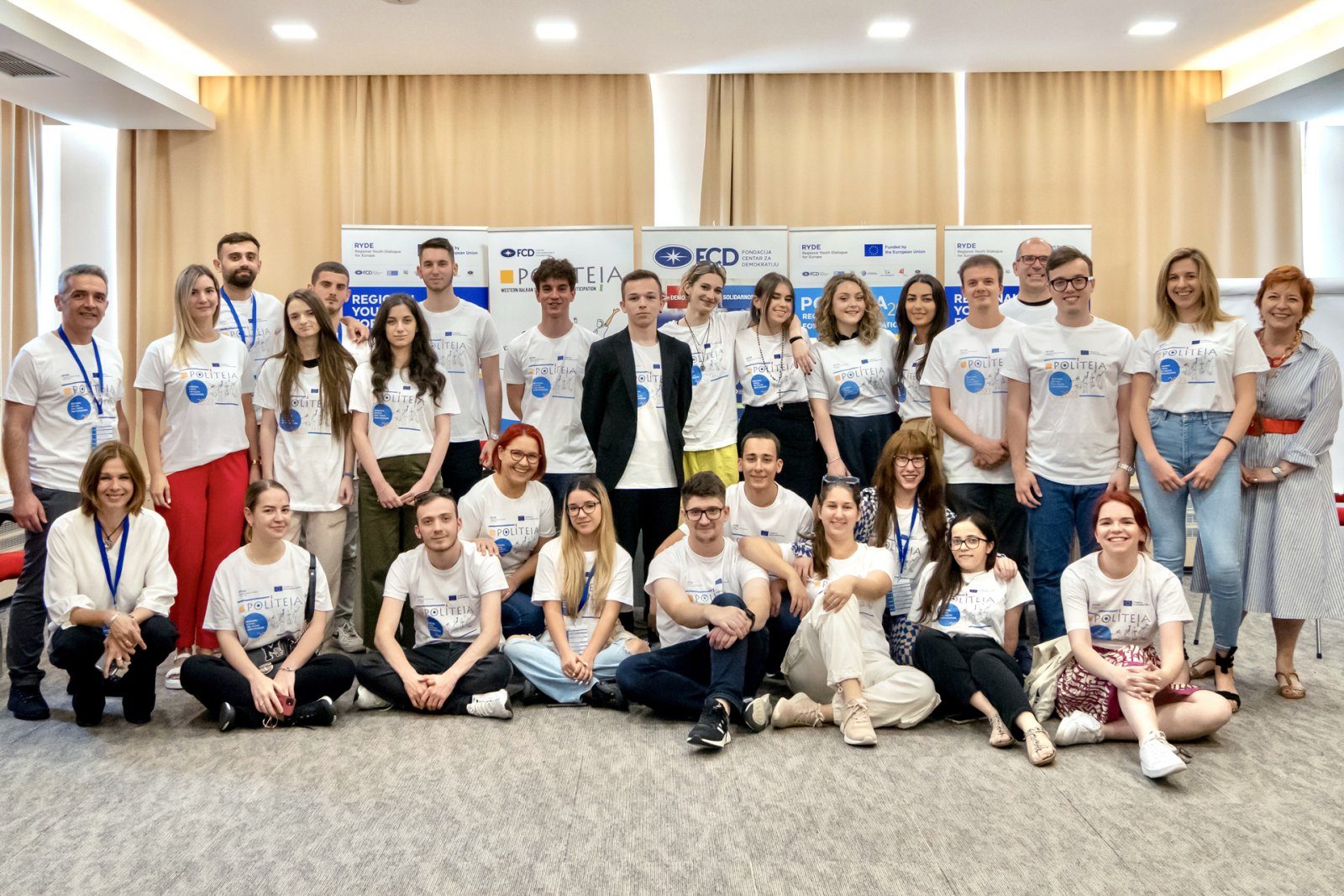
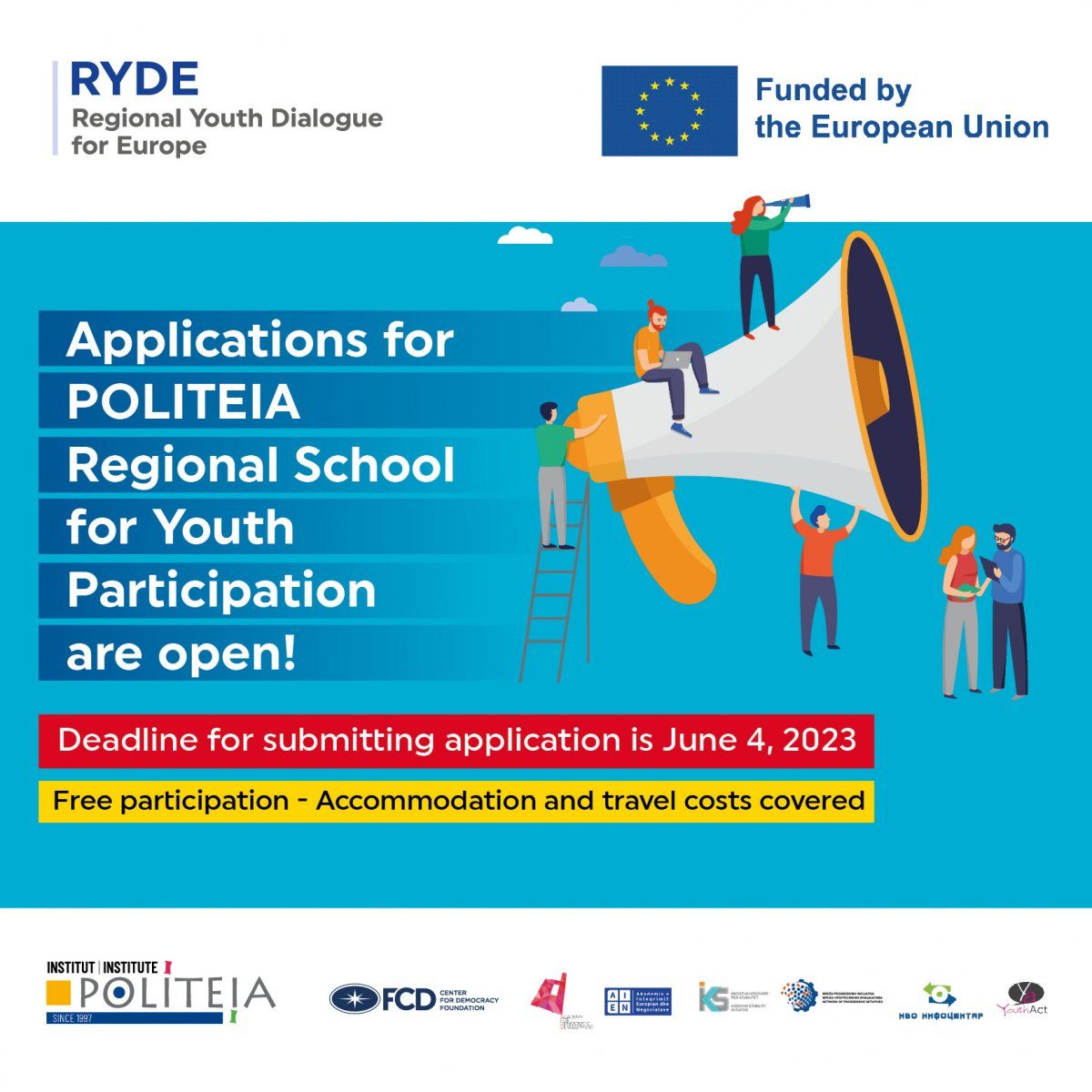
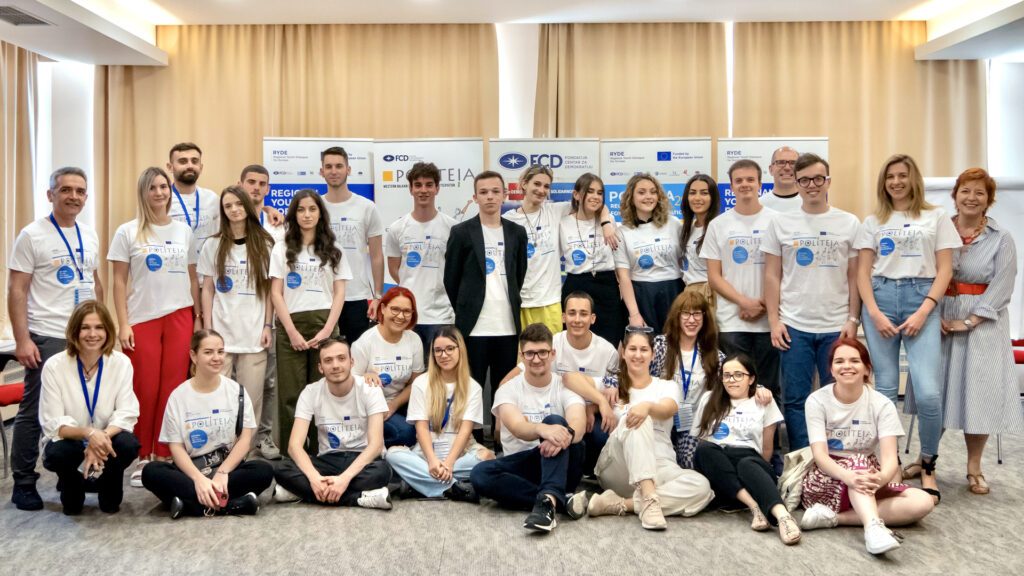
- 2 six-day Politeia regional schools for youth participation engaged 50 young professionals increasing their knowledge on the EU, EU integration process, public policy cycle, human rights, democratic governance, media and digital literacy
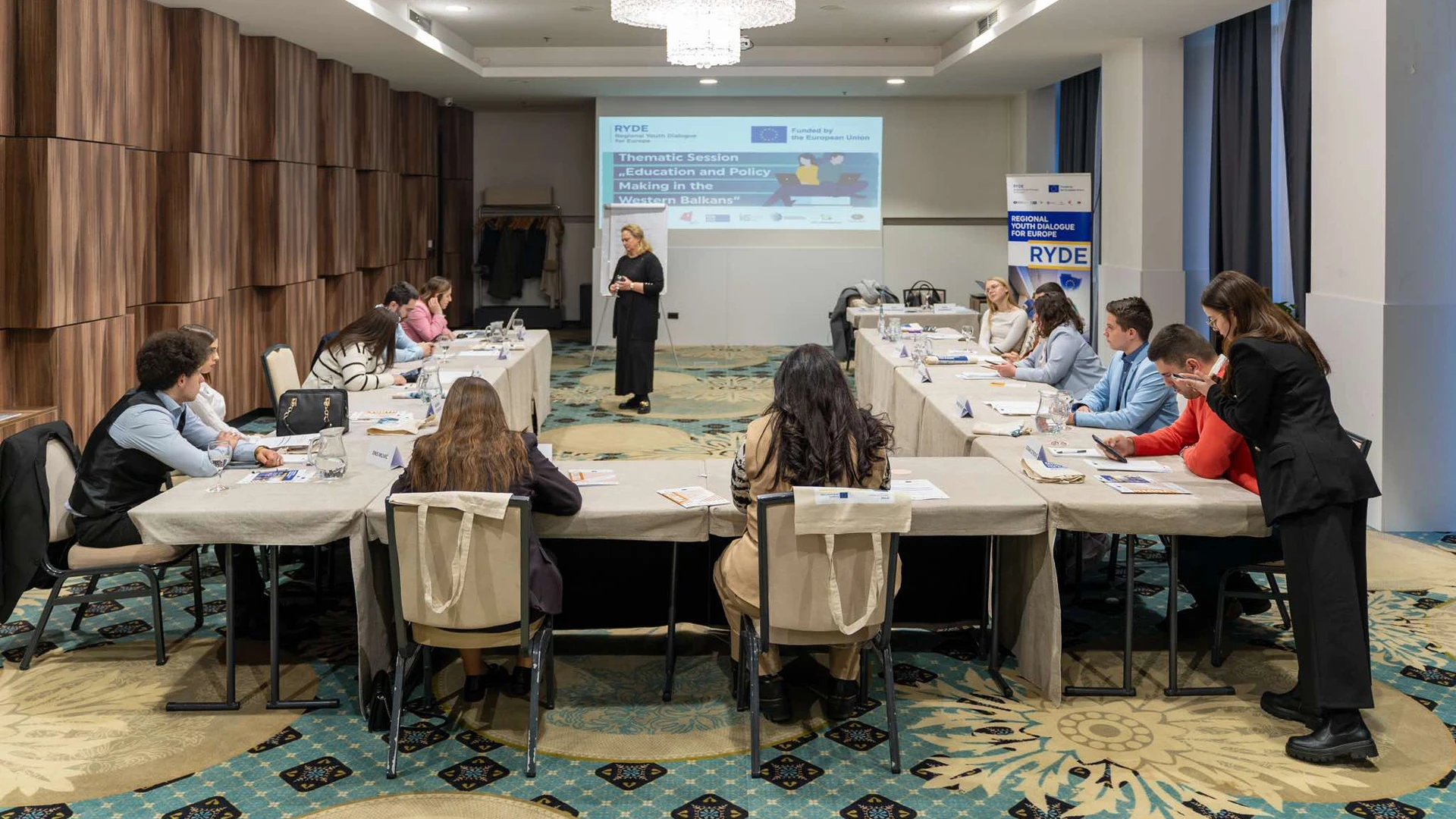
- 6 Politeia thematic sessions involving 75 young people and resulting in 131 recommendations proved to be an interactive tool for learning and participation in public policy dialogue
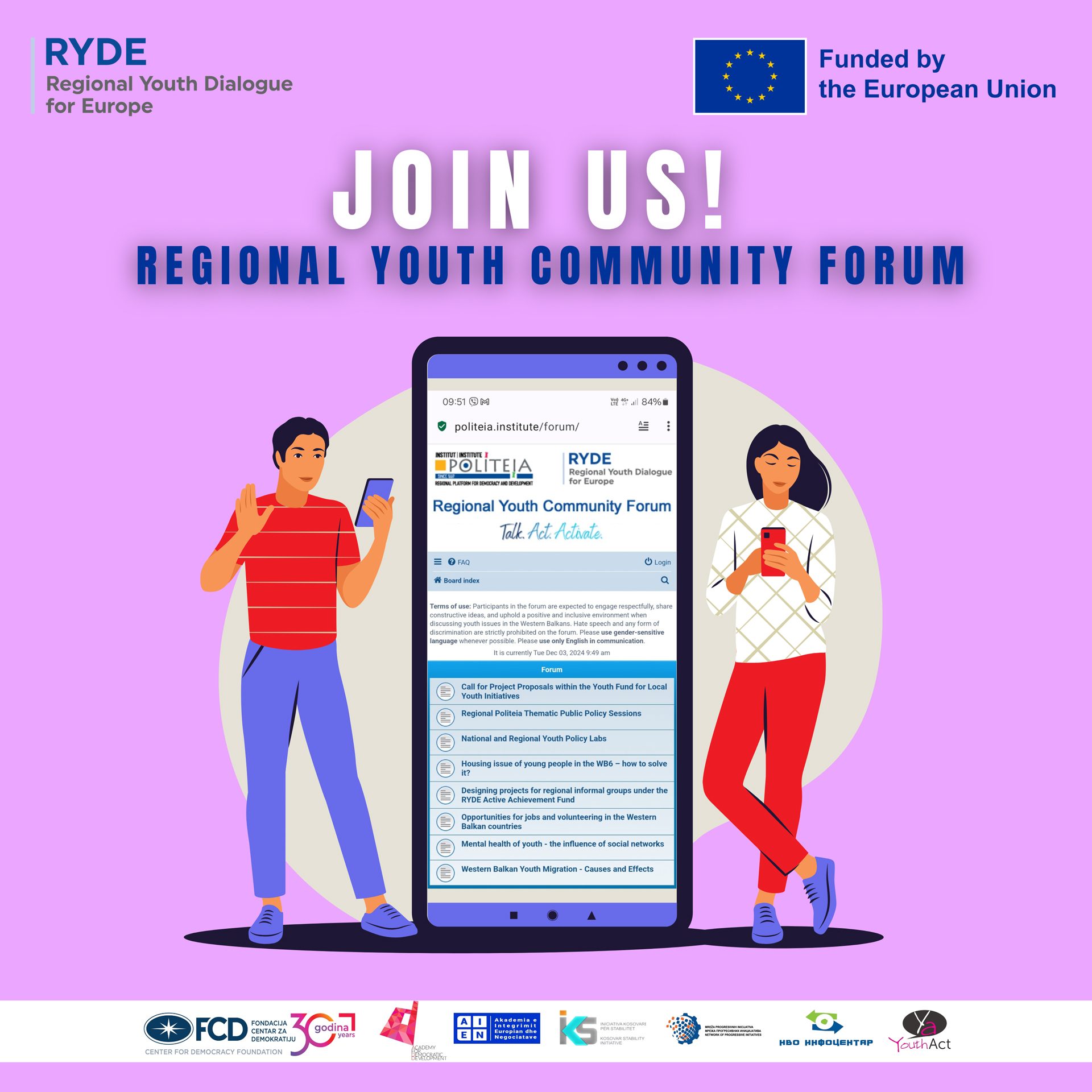
- Online youth forum with 1.169 participants generating over 588 contributions and exchanged information and experience
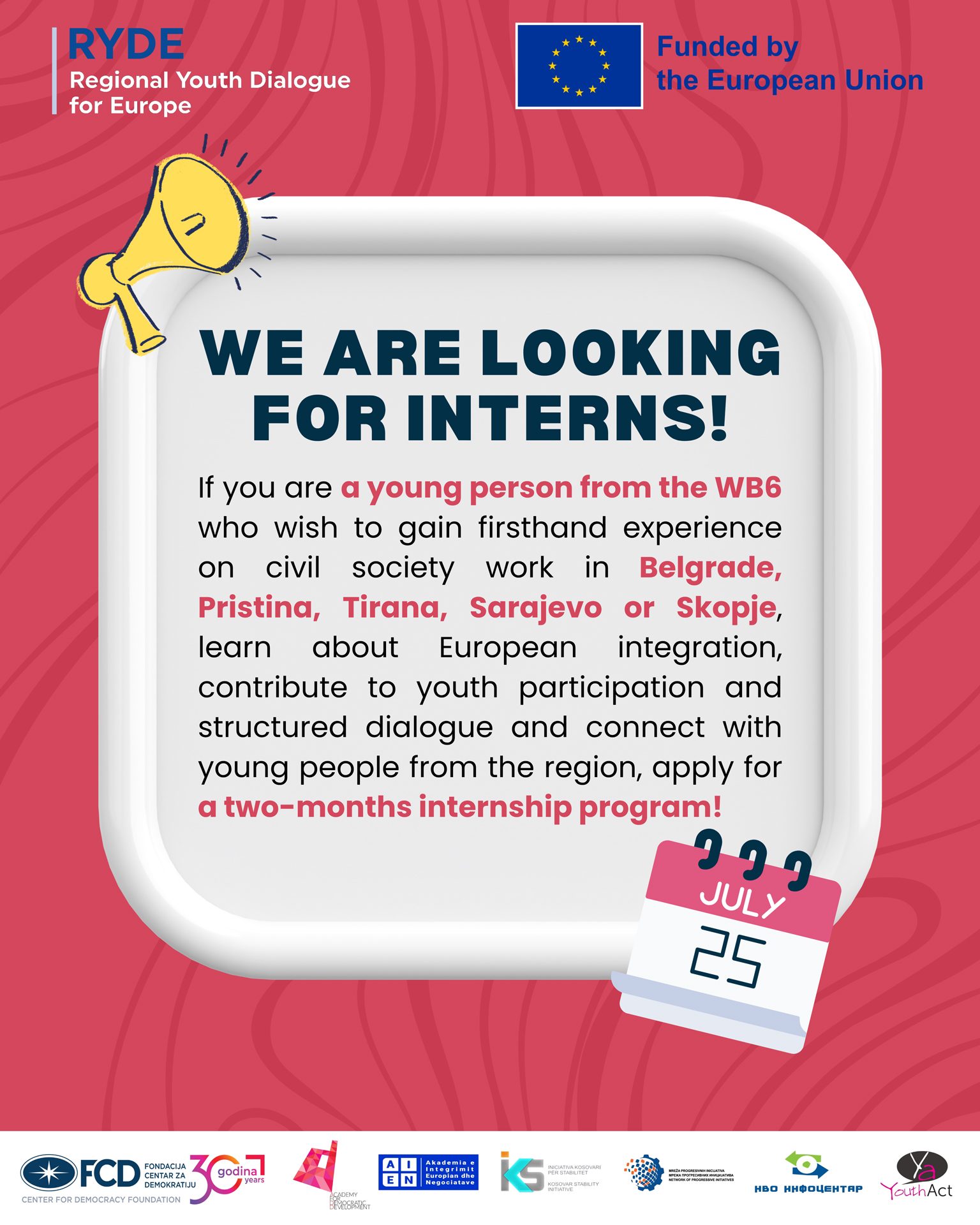
- 10 interns participated in two-month regional internship programme
- 9 CSOs and 10 informal groups were financially supported through Youth Fund and Youth Achievement Fund through which their knowledge and organizational capacities were strengthened
- Regional cooperation was notably enhanced, with 105 new partnerships established at the regional level, bringing the total number of partnerships across all levels to 401
- Synergies were also maintained with key regional and youth initiatives, including the RCC, WBYL, RYCO, TACSO, national youth councils and many others, as well as some EU based organizations, such as ALDA, CEE Gender Network and others


Participatory democracy, democratic values, and the benefits of EU integration for Western Balkan societies were consistently promoted across all activities.
- The Awareness Raising Strategy was effectively implemented across the Western Balkans promoting youth participation and youth policy concerns
- 24 blogs and opinion pieces were produced
- 2.035 social media posts were created
- 36 newsletters were published
- 5 outreach videos were produced and transmitted through various communication channels
The overall outreach was nearly 1,800,000 citizens across the region


Target groups participating
CSOs, incl. particularly youth and women organizations
Approximately 330 unique civil society organisations from the Western Balkans were engaged across a wide range of activities, including dialogue sessions, capacity-building and research activities and presentations.
RYDE recorded 983 instances of CSO participation across more than 140 activities. This reflects a high level of sustained engagement, with many organisations taking part in multiple activities and formats throughout the project duration.
New partnerships were established by the implementing partners and sub-grantees with 168 civil society, youth and women’s organisations at local, national and regional levels.
127 organisations actively participated in policy lab dialogue sessions.




Youth from the Western Balkans
7,558 young people from the Western Balkan countries participated in RYDE activities: 6054 youth activists, 222 representatives of youth organizations, at least at least 540 representatives of CSOs, 293 members of youth councils, 359 youth members of political parties, and at least 90 young media representatives.
Policy makers (in parliaments, governments, local governments)
355 policymakers from more than 100 public institutions across the region participated in dialogue activities with representatives of civil society organisations and young people. New partnerships were established by the implementing partners and sub-grantees with 93 public institutions across the Western Balkans.


Members of political parties’ youth forums in the WB
359 members of political party youth forums have participated.
30 partnerships with political parties were established at local, national and regional levels.
Media
139 media representatives attended the project activities (members of local/national/regional media, TV stations, portals and press).
Representatives of media and media associations from across the region, particularly from North Macedonia and Kosovo, actively contributed to policy lab sessions focused on youth media and digital literacy.


Other third parties involved
Particular emphasis should be placed on the cooperation established with a wide range of international organizations and independent institutions.
Cooperation was established with 33 international organizations, including European Association for Local Democracy – ALDA, as well as with four independent institutions: the Ombudsperson Institution in Kosovo, the Kosovo Chamber of Commerce, the Agency for Audio-visual and Media Services in North Macedonia, and the Commissioner for the Protection of Equality in the Republic of Serbia.
At the regional level, key partnerships were established with the Regional Cooperation Council – RCC, RYCO, the International Labour Organization (ILO), the Westminster Foundation for Democracy (WFD), UNDP (including the ReLOaD programme), the Friedrich Ebert Stiftung (FES), TACSO, etc.

RYDE in Numbers

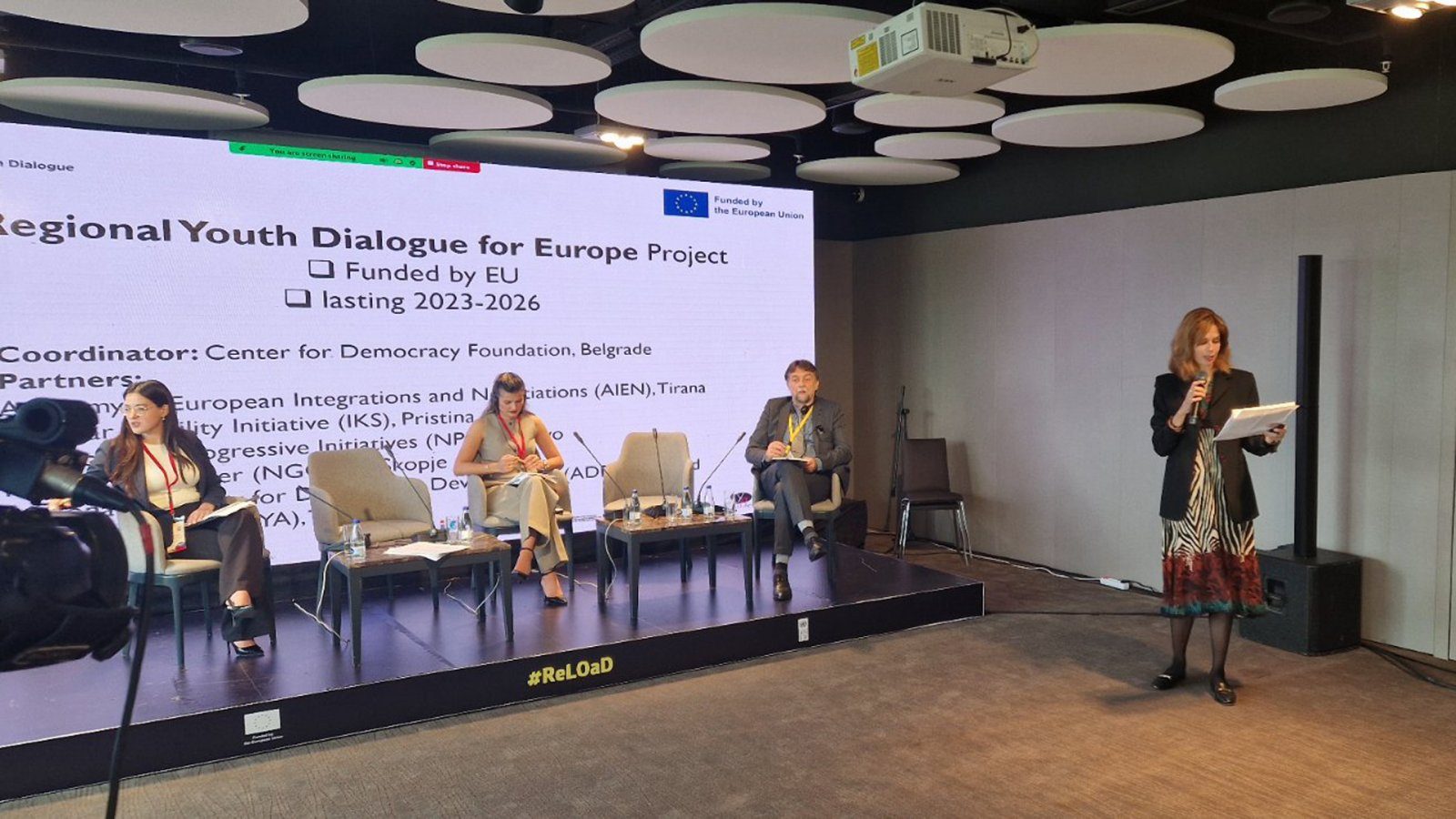
Project Coordinator:
- Center for Democracy Foundation (CDF), Belgrade
Partners:
- Academy of European Integrations and Negotiations (AIEN), Tirana
- Kosovar Stability Initiative (IKS), Pristina
- Network of Progressive Initiatives (NPI), Sarajevo
- NGO Info Center (NGO IC), Skopje
- Regional Academy for Democratic Development (ADD), Novi Sad
- Youth Act Center (YA), Tirana

Project is funded by the European Union.