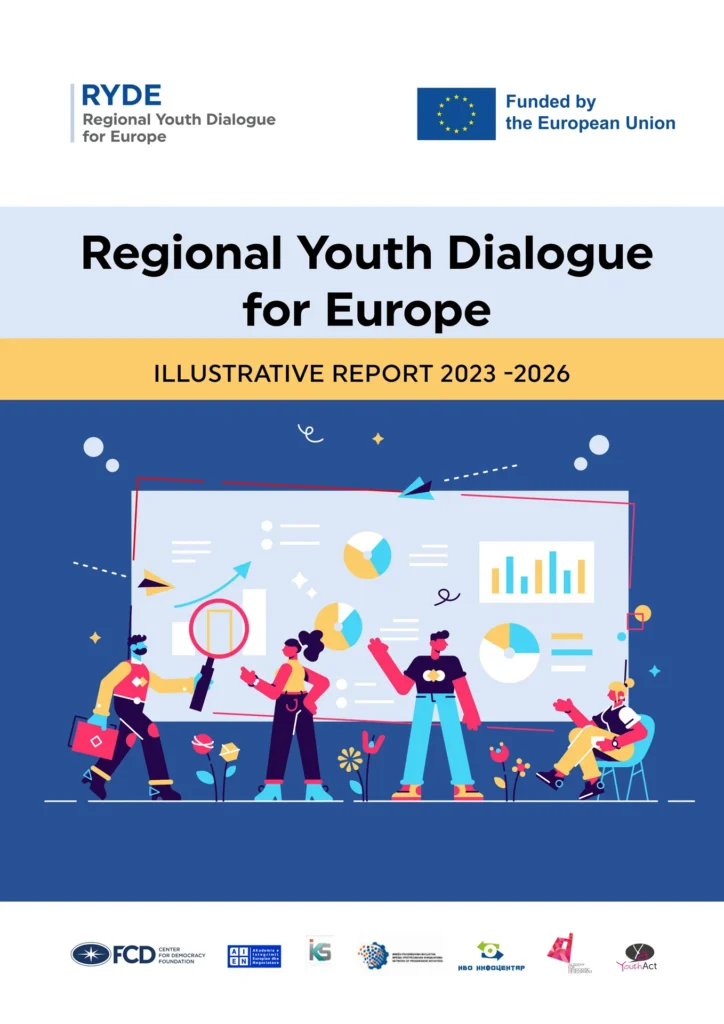
Regional Youth Dialogue for Europe – RYDE
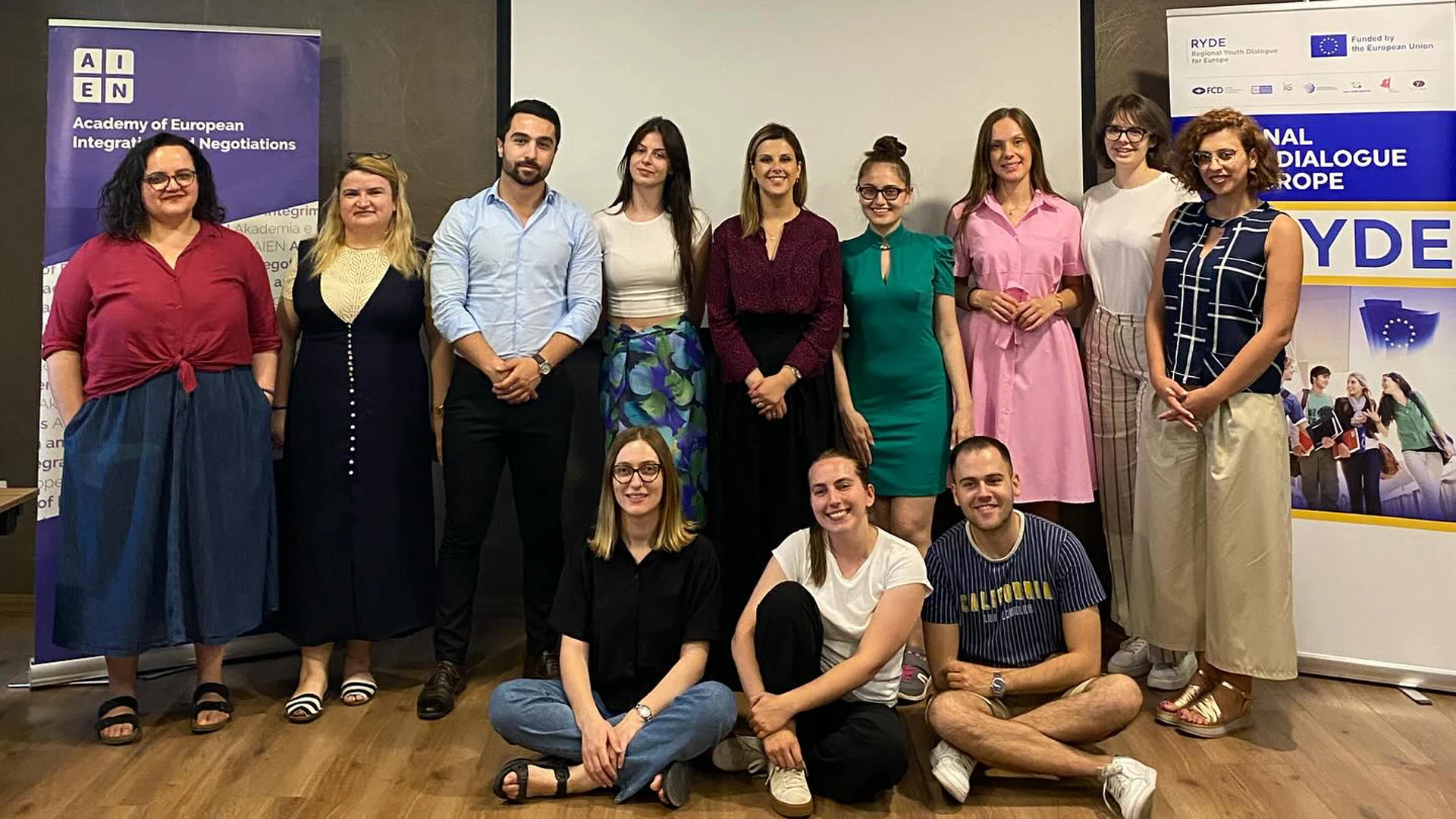
The Politeia Thematic Session, held from 19 to 21 June 2024 and organised by the Academy of European Integration and Negotiations as part of the project “RYDE – Regional Youth Dialogue for Europe,” funded by the European Union, focused on the topic “The Impact of Digitalization on Youth in the Western Balkans.”
The mentors were Mrs. Orkidea Xhaferraj and Mrs. Silva Arapi. This session brought together 12 participants from Albania, Bosnia and Herzegovina, Montenegro, North Macedonia, Kosovo, and Serbia.
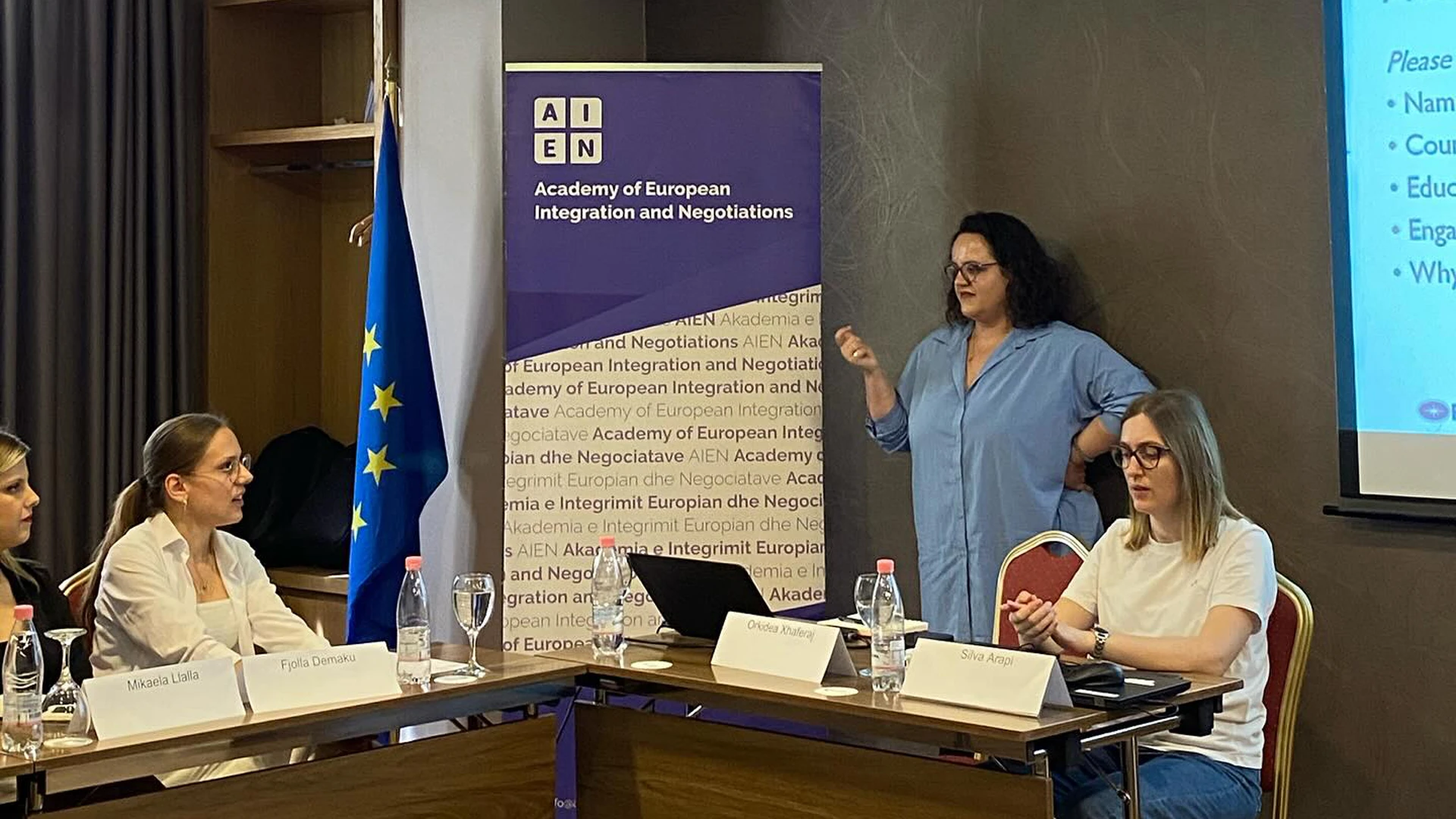
The two-day Thematic Session began with a detailed exploration of digital transformation, divided into three main sessions on the first day. The first session, mentored by Mrs. Orkidea Xhaferraj, titled “Leading Digital Transformation in WB6,” provided an introduction to the WB Digital and Growth Plan. Discussions focused on the EU’s Digital Decade 2030, emphasizing a sustainable and human-centred vision for a digital society. The session highlighted measurable objectives for connectivity, digital skills, digital businesses, and digital public services, aiming to ensure that technology and innovation benefit people. Additionally, the session addressed the New Growth Plan for the Western Balkans, which aims to bring the region closer to the EU by improving economic integration and accelerating socio-economic convergence.
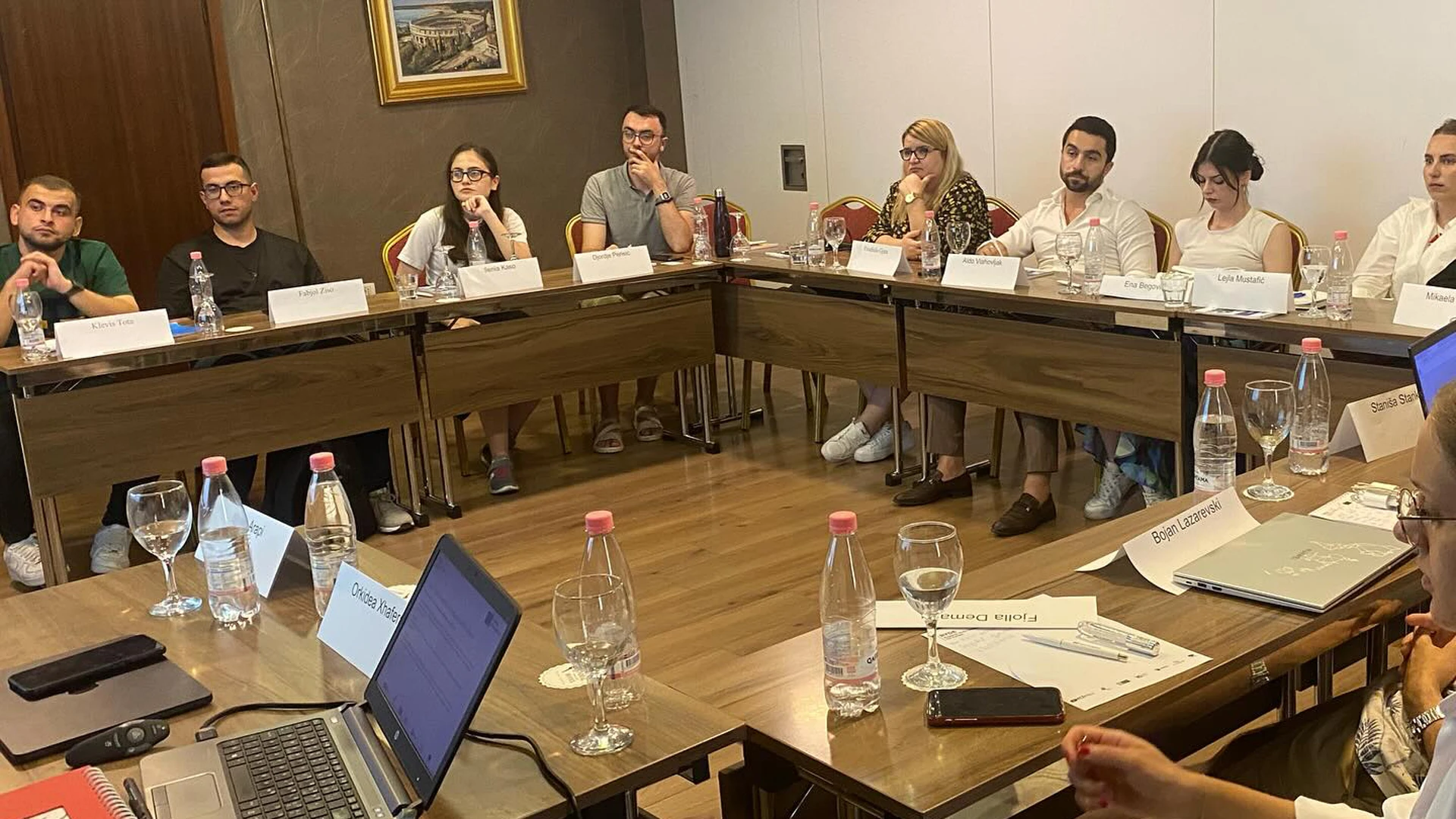
In the second session, mentored by Mrs. Silva Arapi, titled “Protecting Human Rights in the WB6 Economies Amid Rapid Digital Transformation,” participants examined the challenges and opportunities of digital transformation in the context of human rights. Key topics included the right to privacy and data protection, freedom of expression, access to information, and ensuring equality and non-discrimination. The session also discussed the right to digital education and the importance of cybersecurity rights. The current state of digital transformation in the Western Balkans was analyzed, considering driving factors such as EU integration aspirations, economic diversification, foreign investment, and the development of education and skills.
The third session focused on case study analysis, specifically addressing human rights abuses in the digital world and how proper implementation of GDPR can mitigate these issues. High-profile cases were examined, including record fines imposed on Meta, Amazon, and TikTok for violations of GDPR guidelines. These case studies provided practical insights into the importance of strong data protection laws and the challenges of implementation in the Western Balkans.
On the second day, the fourth session was held, focusing on “Structuring and Drafting Policy Briefs.” This session provided participants with the theoretical foundations and practical skills needed to create effective policy documents and the right approaches to discuss them with stakeholders. Key components discussed included drafting engaging titles, abstracts, arguments, and recommendations. The session also addressed strategies for designing and advocating policy documents, emphasizing the importance of clear communication and impactful presentation. Participants engaged in group work, forming teams to choose topics and begin drafting policy documents, thereby applying the knowledge gained from the sessions.
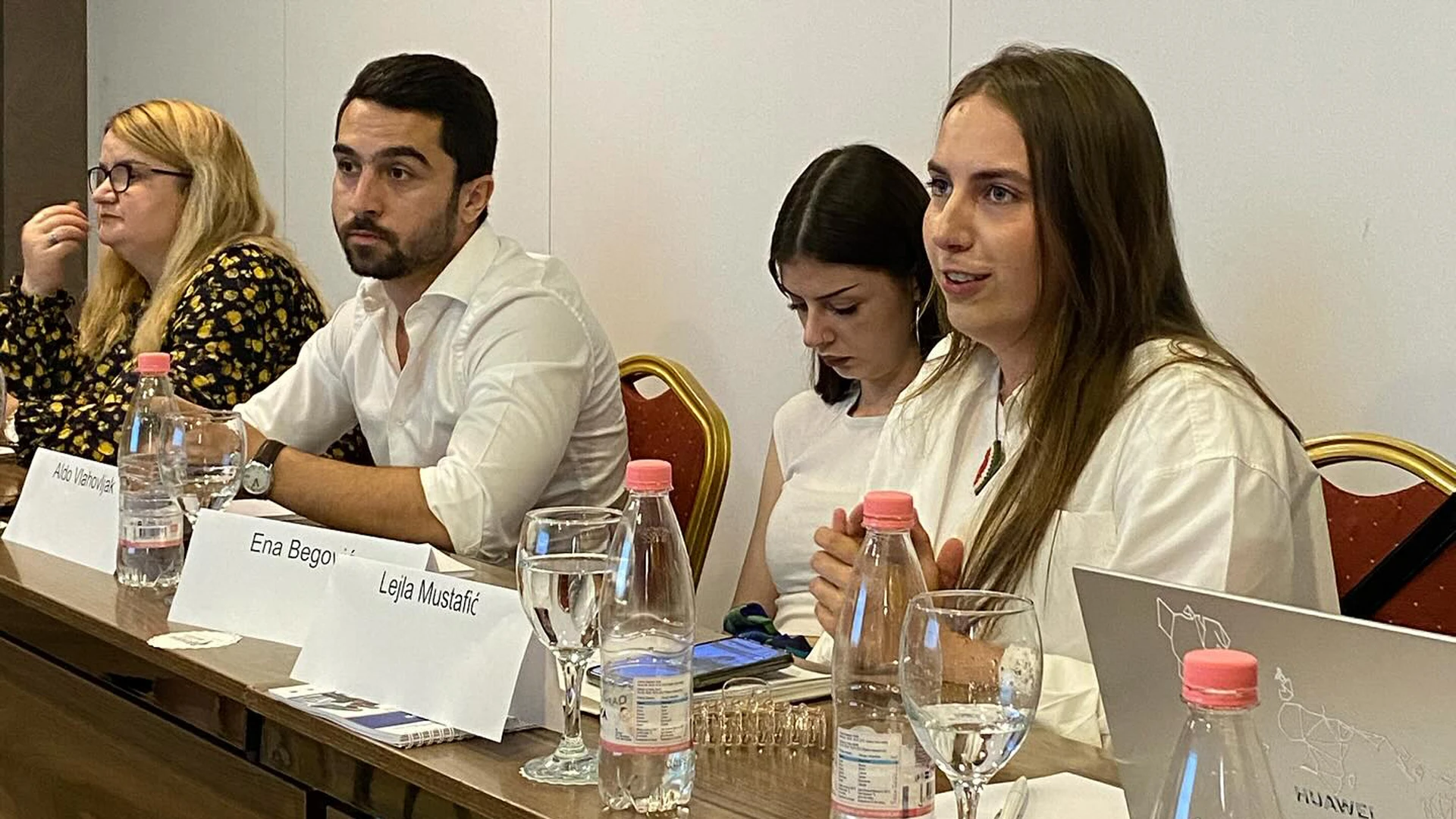
Overall, the Thematic Session Politeia provided a comprehensive overview of the digital transformation landscape in the Western Balkans, highlighting both opportunities and challenges. By focusing on the intersection of digitalization and human rights and offering practical skills for policy advocacy, the session empowered participants from the region to effectively contribute to shaping a digital future that is inclusive, fair, and sustainable.
Academy of European Integration and Negotiations (AIEN)
The Regional Youth Dialogue for Europe Project is implementing by the Center for Democracy Foundation (CDF), Belgrade (as project coordinator) and partner organizations: Academy of European Integration and Negotiations from Tirana (AIEN); Kosovo Stability Initiative from Pristina (IKS); Association Network of Progressive Initiatives from Sarajevo (NPI); NGO Info Center from Skopje (NGO IC); Regional Academy for Democratic Development from Novi Sad (ADD); Youth Act Center from Tirana (YA). The project is funded by the European Union.
Regional Youth Dialogue for Europe – RYDE
Project is funded by the European Union.