
Strengthening Young People’s Resilience to Disinformation: CDF Joins European Partners at an Event in Wrocław
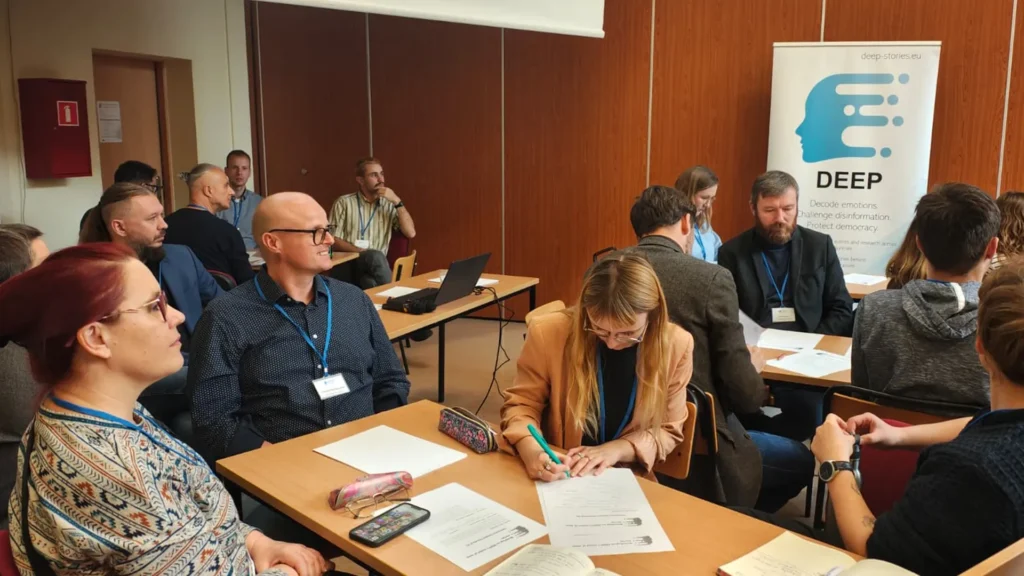
We strengthen media literacy and emotional intelligence, helping young people recognise and resist emotionally charged disinformation Representatives of the Center for Democracy Foundation (CDF), Milena Mićović Trajković and Nevena Novaković, participated in an international workshop held on 20 October 2026 in Wrocław, Poland, as part of the European project DEEP – “Unveiling Deep Stories and Boosting Emotional Intelligence to Empower Citizens Against Disinformation”. The event, hosted by the University of Wrocław, presented a preliminary analytical model for exploring so-called deep stories – emotionally powerful narratives that shape people’s beliefs, trust and attitudes and may contribute to the spread of disinformation….
Public Debate “Work and Political Freedom: Who Protects Employees from Pressure?”
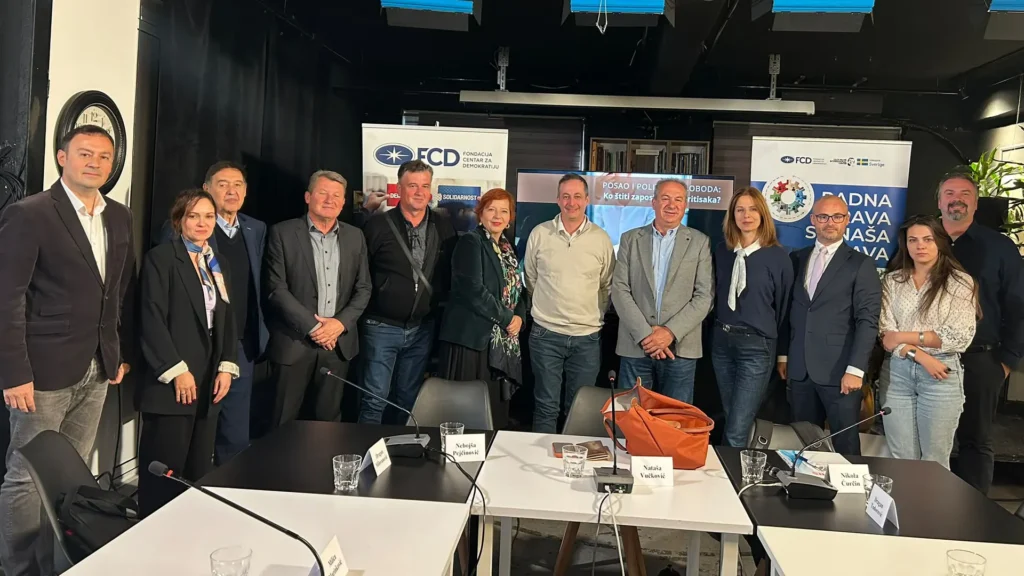
Political Pressure on Employees Undermines Labour Rights and Freedom of Choice On 16 October 2026, the Center for Democracy Foundation organised a public debate in Belgrade entitled “Work and Political Freedom: Who Protects Employees from Pressure?”. The discussion addressed the mechanisms through which employees are subjected to political coercion, the consequences for their rights, available avenues for protection, and issues of equality, institutional integrity and employer accountability. Participants in the discussion included Nebojša Pejčinović, NEZAVISNOST Trade Union; Dragan Todorović, Confederation of Autonomous Trade Unions of Serbia; Nikola Ćurčin, Independent Trade Union of Education Workers; Dragan Milovanović, Association of Free and…
Women in Agribusiness: Strengthening Climate Change Resilience in the Rasina District
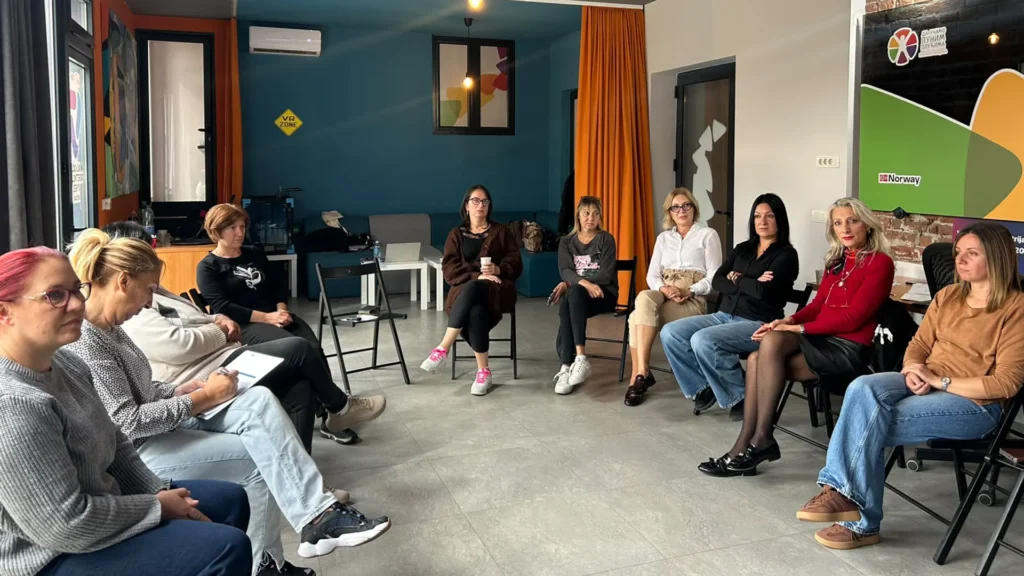
Empowering women in southern Serbia for entrepreneurship and climate change resilience On 15 October 2026, the Center for Democracy Foundation organised a pilot training workshop in Kruševac entitled “Women in Agribusiness: How to Respond to the Challenges of Climate Change?”, as part of the “My Idea, My Business” project, with the aim of economically empowering women in agriculture and strengthening their capacity to respond to climate-related and business risks. The training focused on the challenges increasingly faced by women in agriculture – droughts, high temperatures, extreme rainfall, changes in crop yields, and rising production costs. Through interactive workshops and the…
From Business Idea to Sustainable Business: Dialogue on Improving Support for Women’s Entrepreneurship in the Pirot District
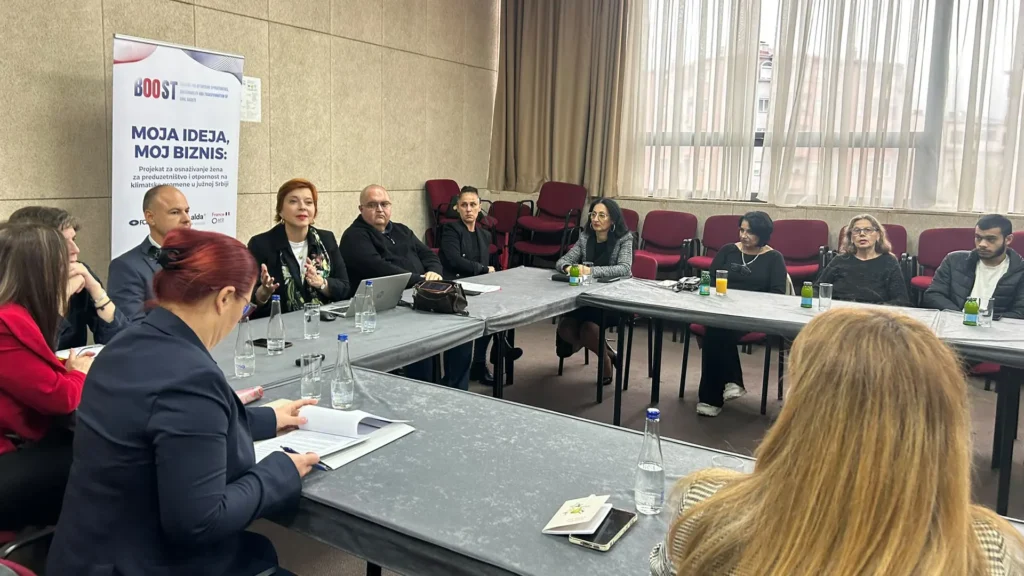
On 13 October 2026, the Center for Democracy Foundation organised a debate in Pirot entitled “From Business Idea to Sustainable Business: How Can Support for Women Entrepreneurs in the Pirot District Be Improved?”, with the aim of translating women’s experiences, the results of project activities, and an analysis of existing support measures into concrete proposals for improving local policies. The debate was organised within the framework of the “My Idea, My Business” project, which focuses on the economic empowerment of women, strengthening their entrepreneurial capacities, and creating a more enabling local environment for starting and developing businesses. From Women’s Empowerment…
Young People: From Local Needs to Concrete Initiatives Contributing to Community Development

“Sharing Our Experiences with Others” – Final Conference of the “Your City – Your Voice” Project On 26 August 2026, the Center for Democracy Foundation organised the final online conference of the “Your City – Your Voice” project, implemented within the “EU National Resource Centre for Civil Society in Serbia” project of the Belgrade Open School, financially supported by the European Union. The event presented the results of work with young people, civil society organisations and other stakeholders from Niš, Subotica, Vranje and the surrounding cities and municipalities. Through the structured and long-term inclusion of young people and CSOs at…
Without Meaningful Youth Participation in Decision-Making, There Can Be No Sustainable Development of Society
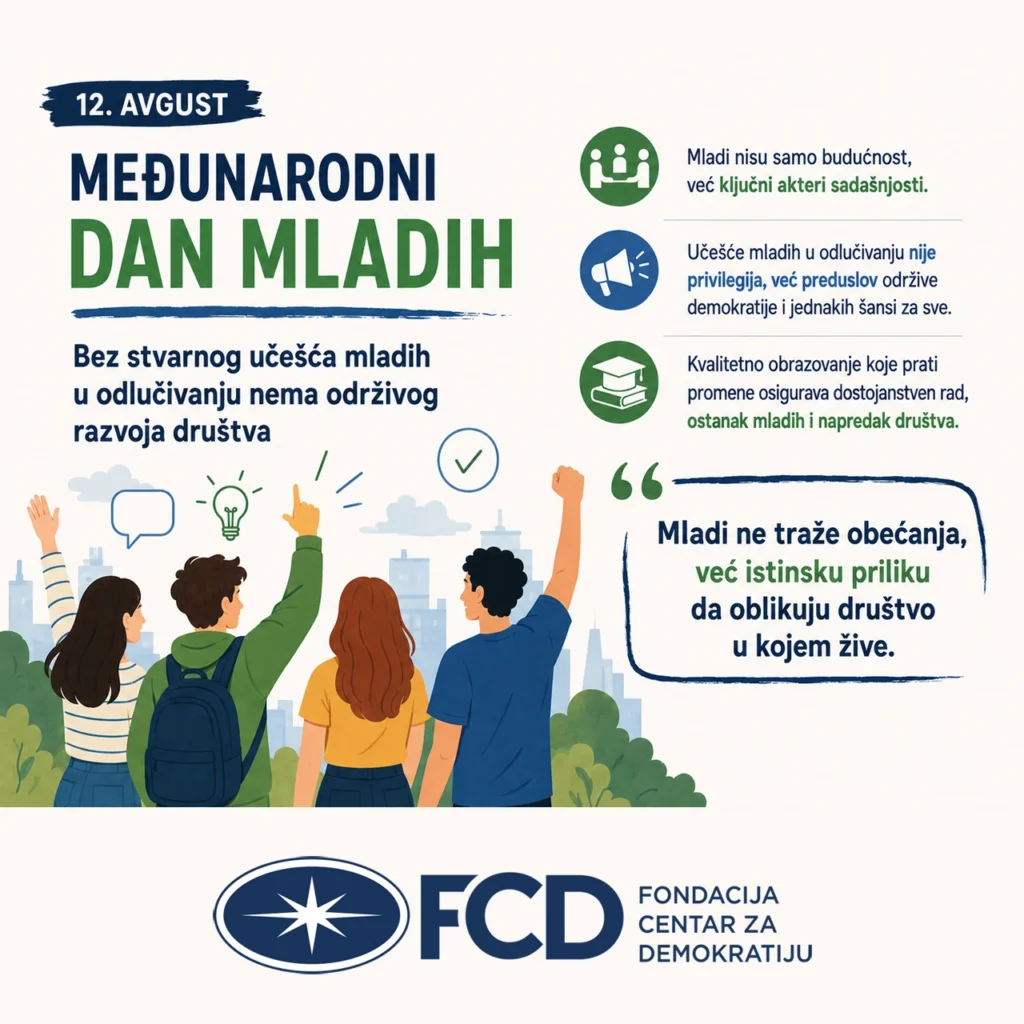
Statement by the Center for Democracy Foundation on the occasion of International Youth Day On the occasion of 12 August, International Youth Day, the Center for Democracy Foundation (CDF) calls on decision-makers, state institutions and local self-governments to ensure the systematic and meaningful inclusion of young people in decision-making processes. At a time when society is facing significant demographic, socio-economic and political challenges, while a large percentage of young people are still considering leaving the country, the key message is that young people are not only the future, but key actors of the present. Their voices, energy and proposals must…
From Young People’s Needs to Concrete Solutions: Policy Labs in Vranje, Subotica and Niš
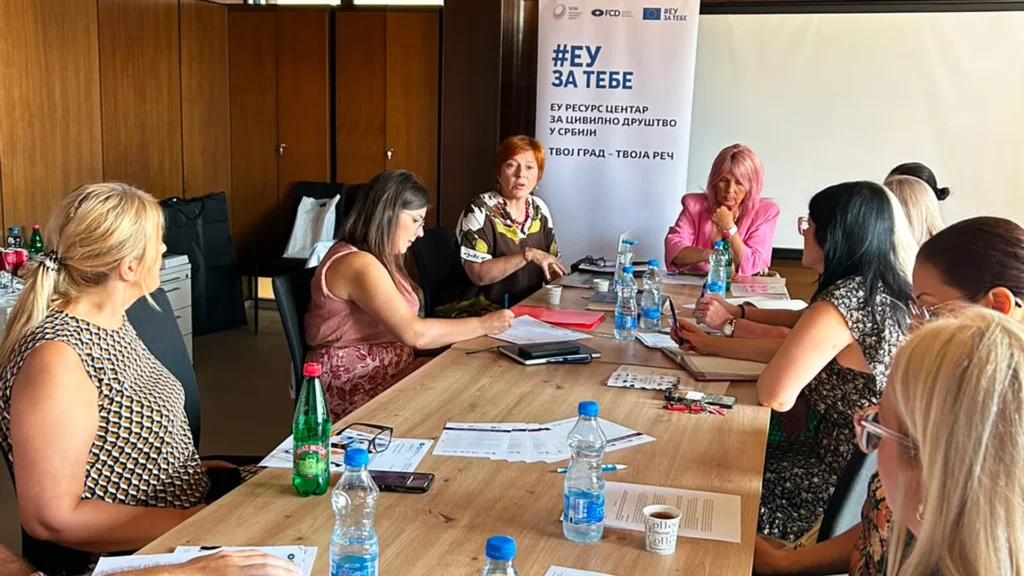
Young People and Local Stakeholders Jointly Develop Recommendations for Improving Public Policies The Center for Democracy Foundation organised Youth Policy Labs in Subotica, Niš and Vranje, as part of the “Your City – Your Voice” project, dedicated to improving public policies and services in the areas of culture, employment, and young people’s mental and reproductive health. Following the previously implemented training sessions for young people and civil society organisations, the Youth Policy Lab represented the next step – a space in which the identified needs and problems of young people were translated into concrete proposals for improving local policies and…
From Dialogue to Recommendations: Young People in Vranje Shape Policies for Better Health
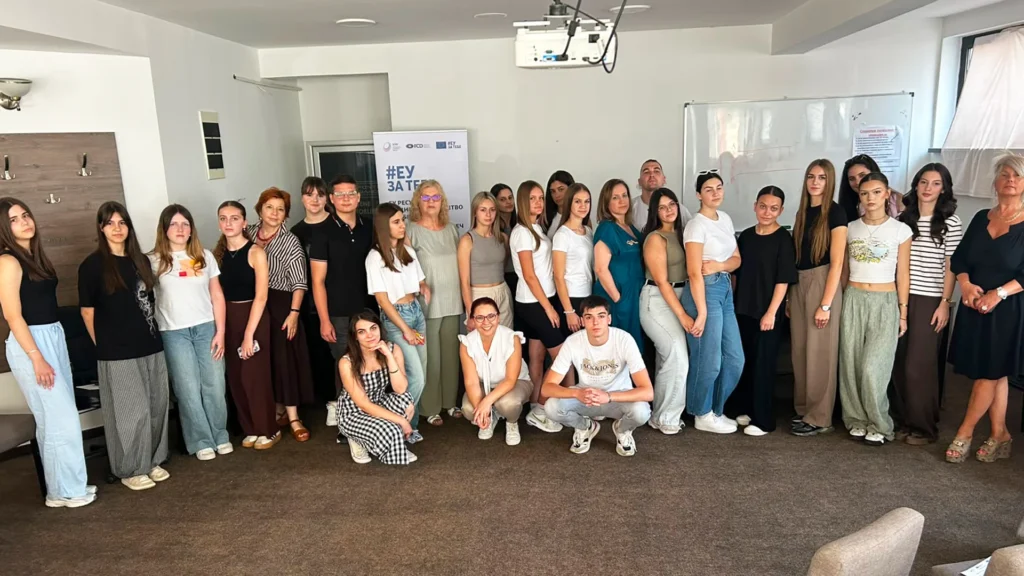
“Young People, Health and the Decisions That Affect Us – From Participation to Public Policies” During July 2026, the Center for Democracy Foundation organised a youth training programme in Vranje and online entitled “Young People, Health and the Decisions That Affect Us – From Participation to Public Policies”, as part of the Your City – Your Voice project. The interactive two-day training brought together young people from Vranje and the surrounding area who are committed to actively contributing to the improvement of policies and services affecting the mental and reproductive health of young people. Starting from the question of how…
Young People in Niš Develop Recommendations to Improve Youth Employment Policies
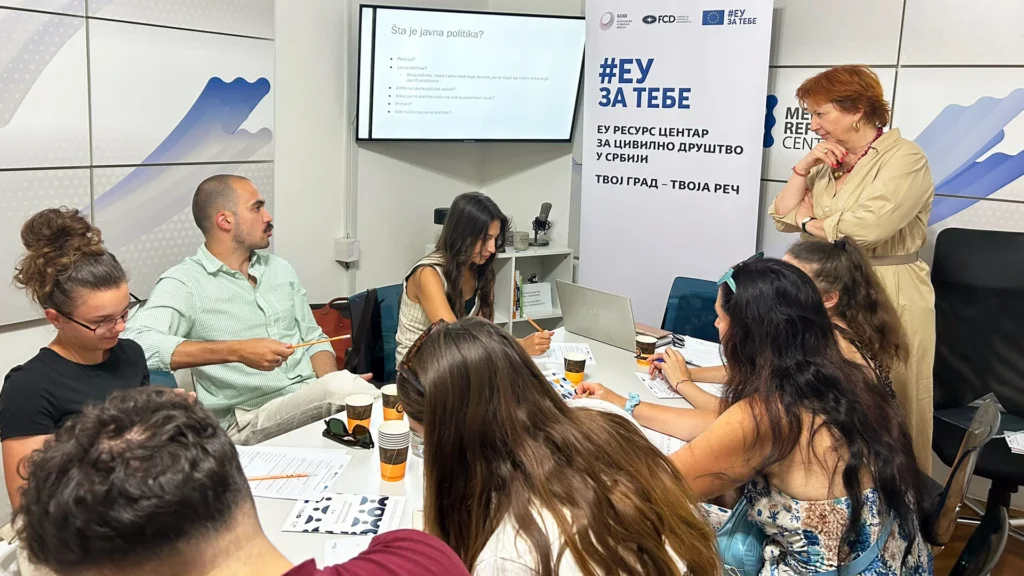
“Young People and Employment Opportunities – From Local Needs to Public Policies” During July 2026, the Center for Democracy Foundation organised a two-day youth training programme in Niš and online entitled “Young People and Employment Opportunities – From Local Needs to Public Policies”, as part of the Your City – Your Voice project. The training brought together young people from Niš and the surrounding area who are interested in actively contributing to the improvement of policies and measures affecting youth employment and their professional development. Throughout the interactive training, participants had the opportunity to explore how public policies influence employment…
From Ideas to Change: Young People in Subotica Develop Proposals for Cultural Policies
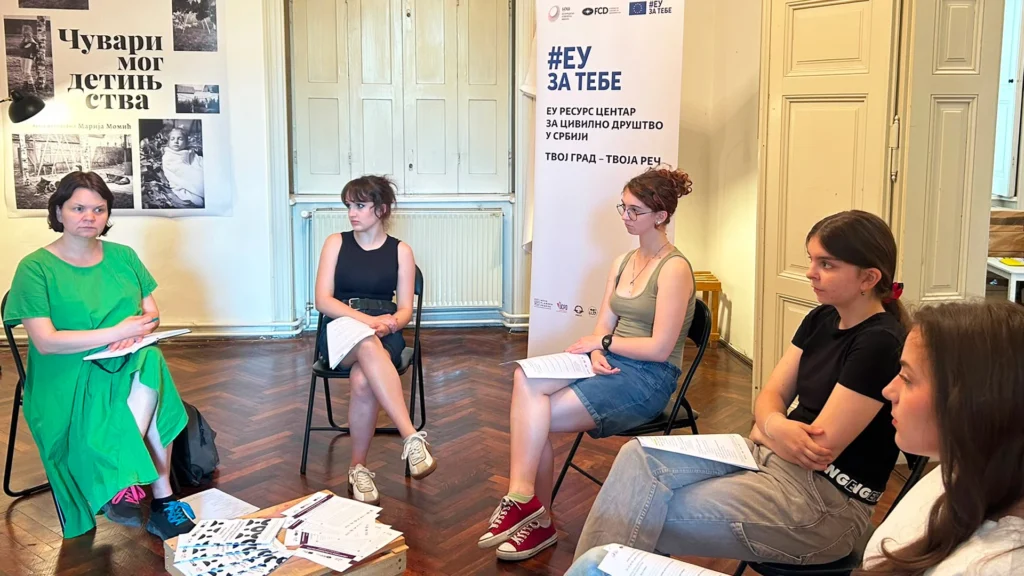
“Culture Tailored to Young People – Shaping Our City through Public Policies” During June and July 2026, the Center for Democracy Foundation organised a youth training programme in Subotica and online entitled “Culture Tailored to Young People – Shaping Our City through Public Policies”, as part of the Your City – Your Voice project. The training brought together young people from Subotica and the surrounding area who are interested in actively contributing to the improvement of cultural life in their community through public policy-making processes. Through interactive sessions, discussions and group work, participants gained basic knowledge about public policies, local…
ALDA President Natasa Vučković contributes to the dialogue on territorial diplomacy at MedCat Days 2026
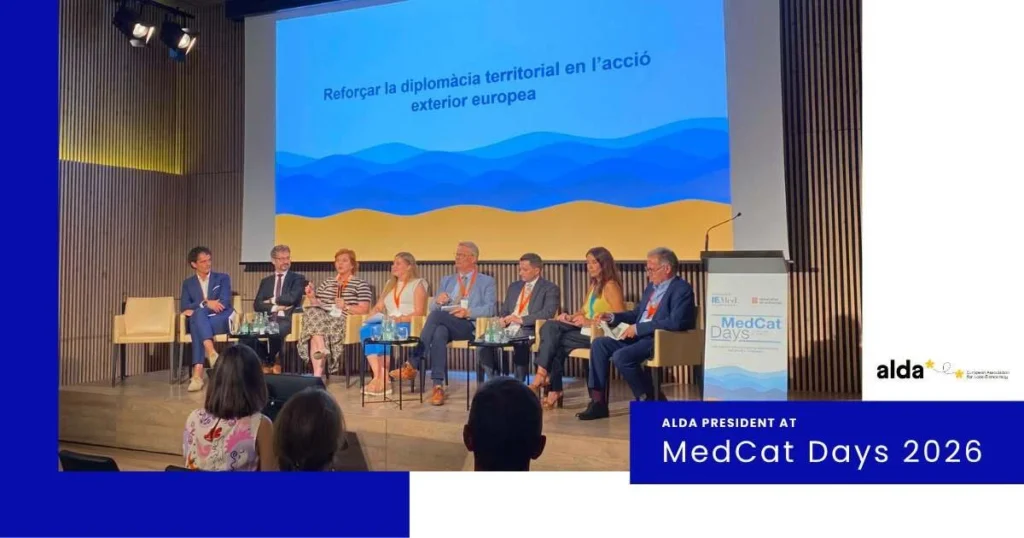
On 9–10 July 2026, ALDA President Natasa Vučković participated in the 7th edition of MedCat Days, organised by the Government of Catalonia in collaboration with the European Institute of the Mediterranean (IEMed). The event brought together representatives of European institutions, regional networks, local and regional authorities, and civil society to discuss how to transform the Pact for the Mediterranean into concrete, place-based action. The MedCat Days 2026 addressed how Mediterranean governance can become more effective,coordinated and action-oriented within the framework of the new Pact. The first day focused on the operational dimension of the Pact, addressing how it can be…
Strengthening the Capacities of CSOs from Subotica, Vranje and Niš to Involve Young People in Public Policy Making
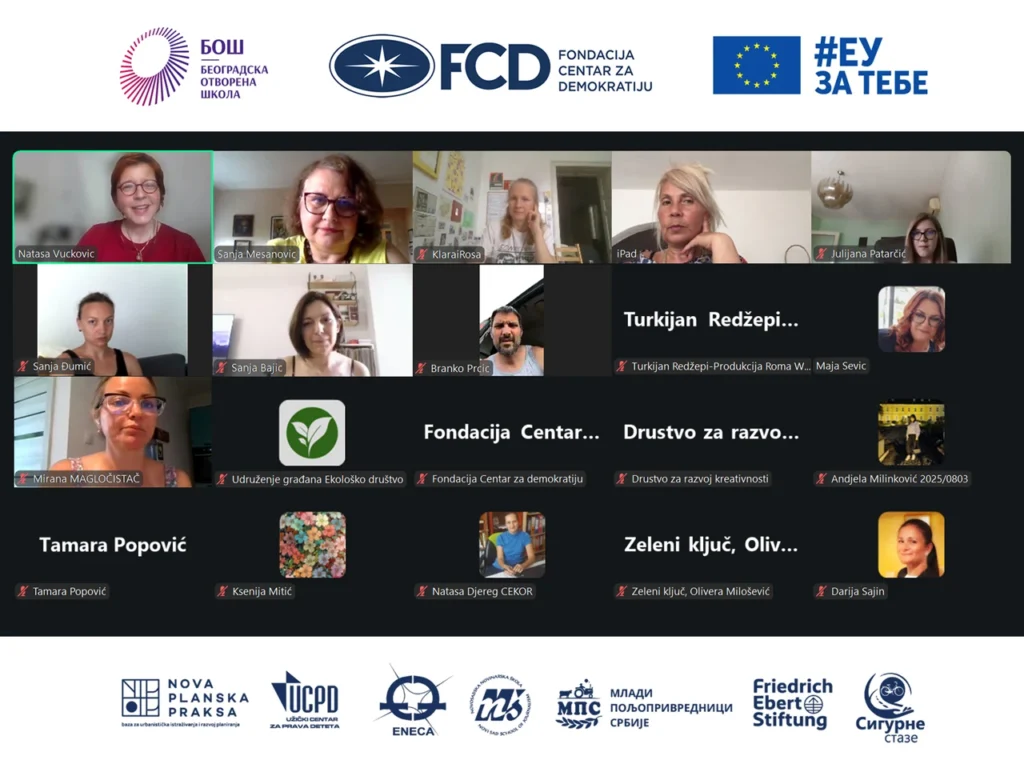
Engaging Young People in Community Development Planning and Decision-Making On 1 and 2 July 2026, the Center for Democracy Foundation organised a two-day online training for civil society organisations as part of the project Your City – Your Voice, bringing together representatives of organisations from Subotica, Vranje, Niš and neighbouring municipalities working with young people and engaged in local community development, youth policy, culture, health and employment issues. The objective of the training, “Young People and Public Policies – Partnership between CSOs and Young People for Local Community Development”, was to strengthen the capacities of civil society organisations to support…
