Regional Youth Dialogue for Europe – RYDE
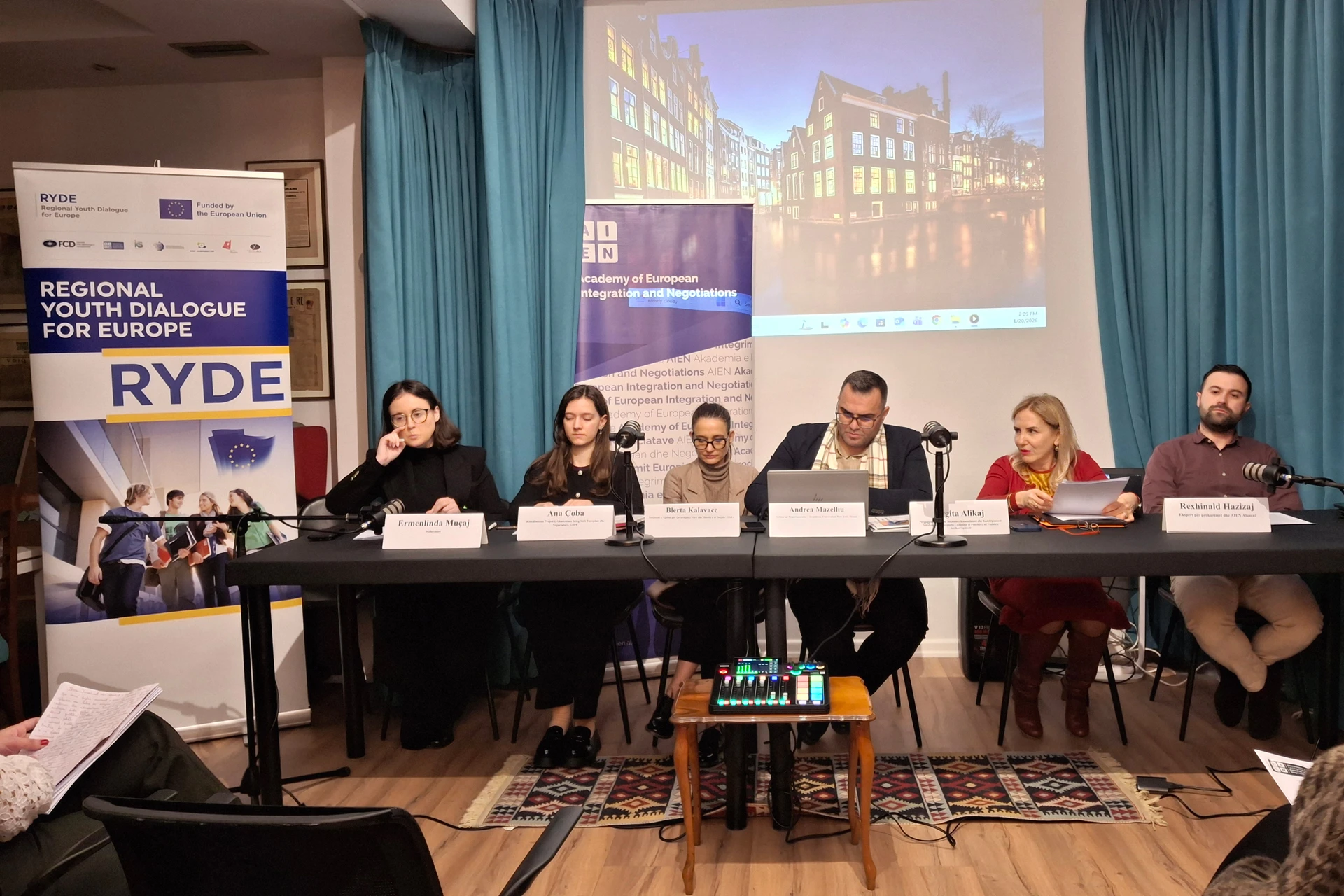
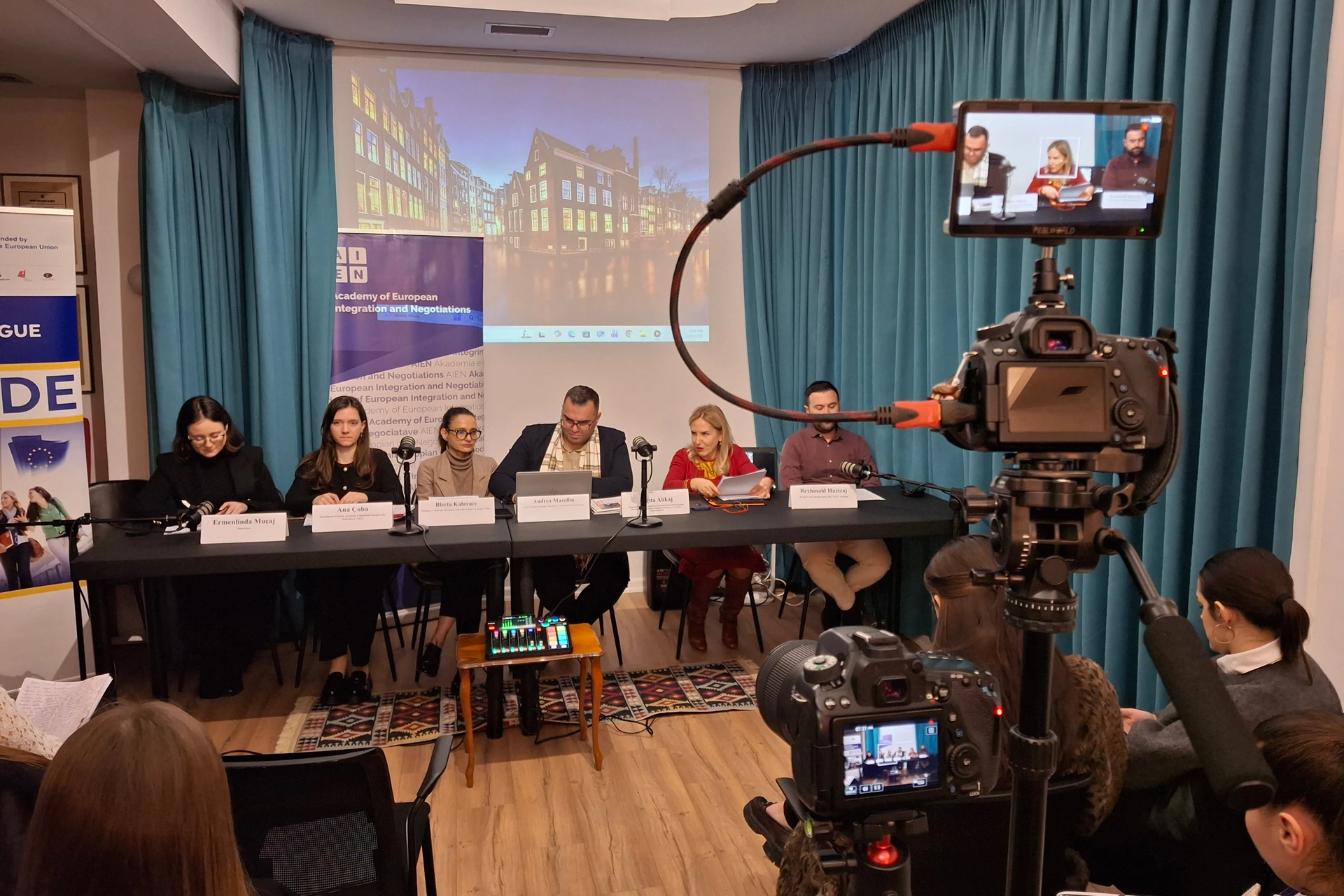
The Academy for European Integration and Negotiations from Tirana (AIEN) organised a public debate titled “Youth Against Corruption” on 20 January 2026 at DUA Space.
The event gathered 37 participants, consisting of youth from different sectors and organisations, as well as students.
The panel discussion brought together specialists, including a Sector Manager in the Communication and International Cooperation Sector at the Directorate for Policy Implementation in the Field of Anti-Corruption, the Head of the Unit for Good Governance and the Rule of Law at IDRA, a Researcher and Lecturer in the Department of Law at New York University, and an Expert on Procurement and AIEN Alumni.
At the beginning of the event, the panelists delivered remarks addressing ongoing anti-corruption efforts in Albania, highlighting in particular the role of youth engagement in advancing transparency and strengthening good governance practices.
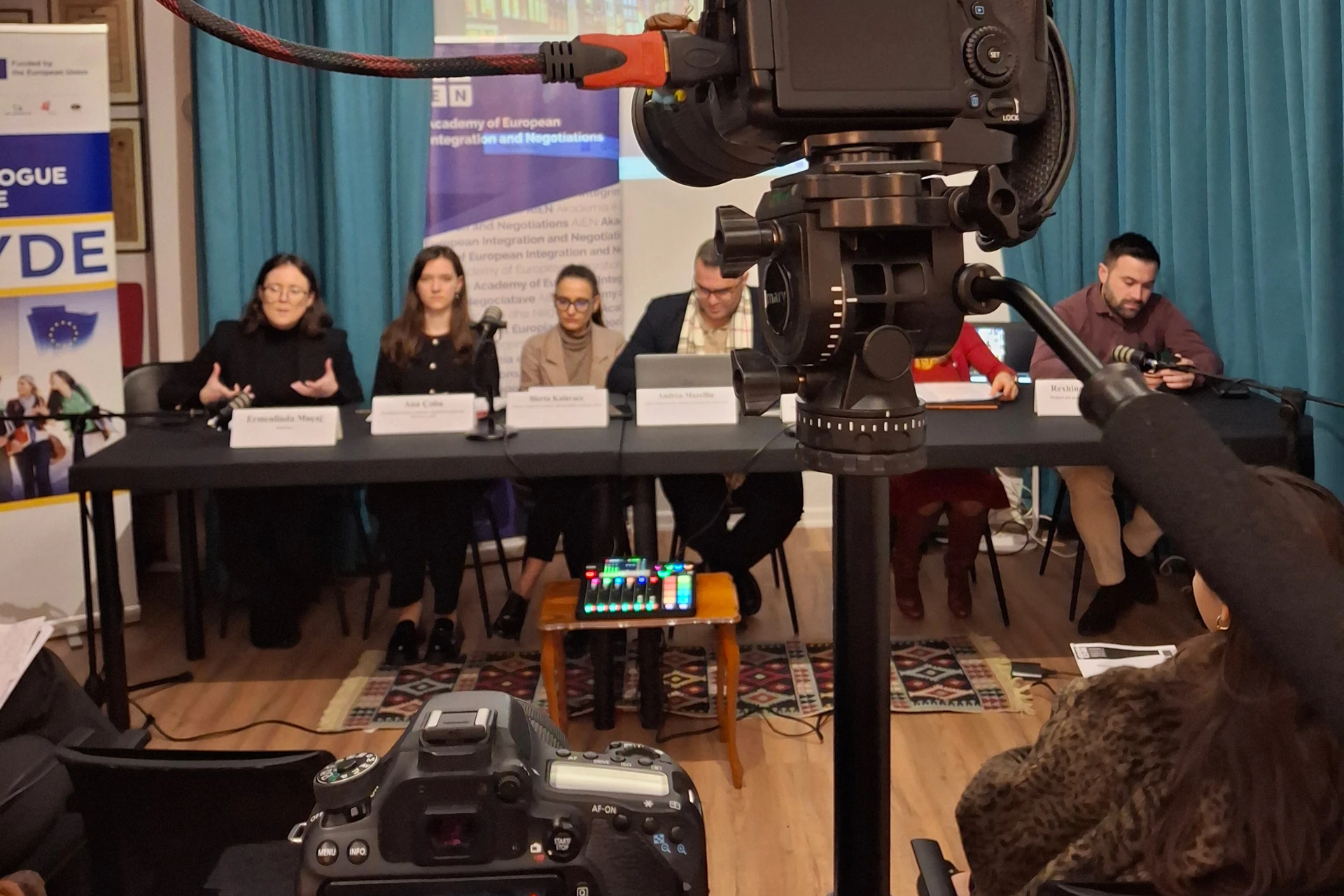
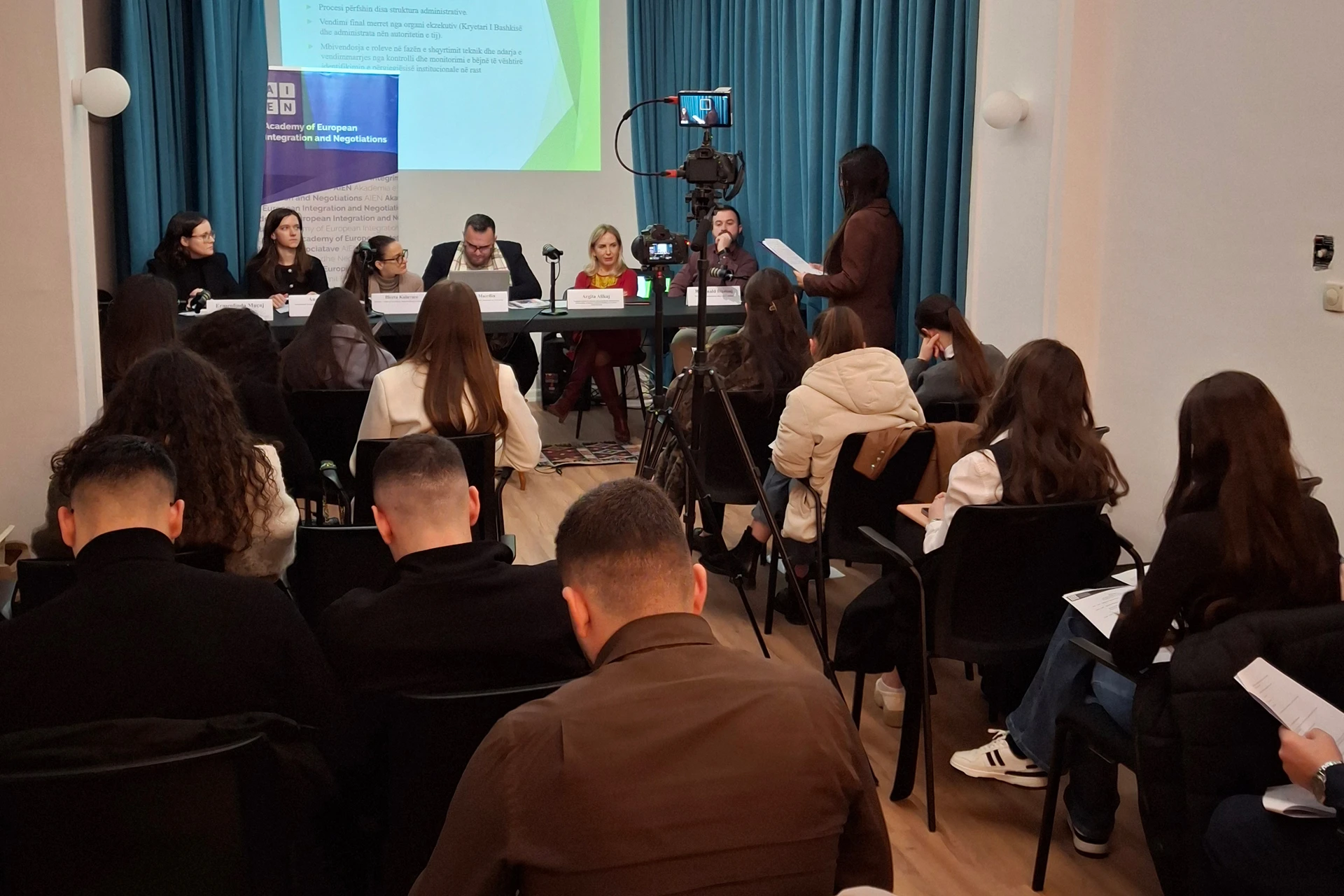
During the debate, participants actively engaged in discussions on youth involvement in anti-corruption initiatives, transparency, and good governance. Key topics that sparked discussion included challenges in reporting corrupt practices, the role of political will in enabling systemic change, and strategies for promoting ethical behaviour among young professionals. Participants shared their experiences and perspectives, highlighting that while fighting corruption is difficult, with the right policies, accountability mechanisms, and active youth participation, meaningful progress can be achieved.
Additional conclusions from the debate emphasized the importance of civic education, collaboration with civil society, and the need for digital tools to increase transparency and citizen engagement. The debate also generated concrete outputs, including a set of recommendations for improving youth engagement in anti-corruption initiatives.
The public debate emphasized the need to strengthen civic education in Albania by more systematically integrating anti-corruption, ethics, and good governance topics into both formal curricula and non-formal youth programs. Participants highlighted that early exposure to these issues is essential to building a generation that is more aware, engaged, and resilient to corrupt practices. In this regard, closer cooperation between educational institutions and civil society organisations is recommended to deliver practical and experience-based learning opportunities.
A key recommendation focused on increasing structured youth participation in decision-making processes, particularly through the establishment of youth advisory councils, public consultations, and inclusive policy dialogue platforms at both local and national levels. Participants stressed that youth engagement should go beyond symbolic involvement and instead provide real opportunities to influence policies related to transparency and accountability.
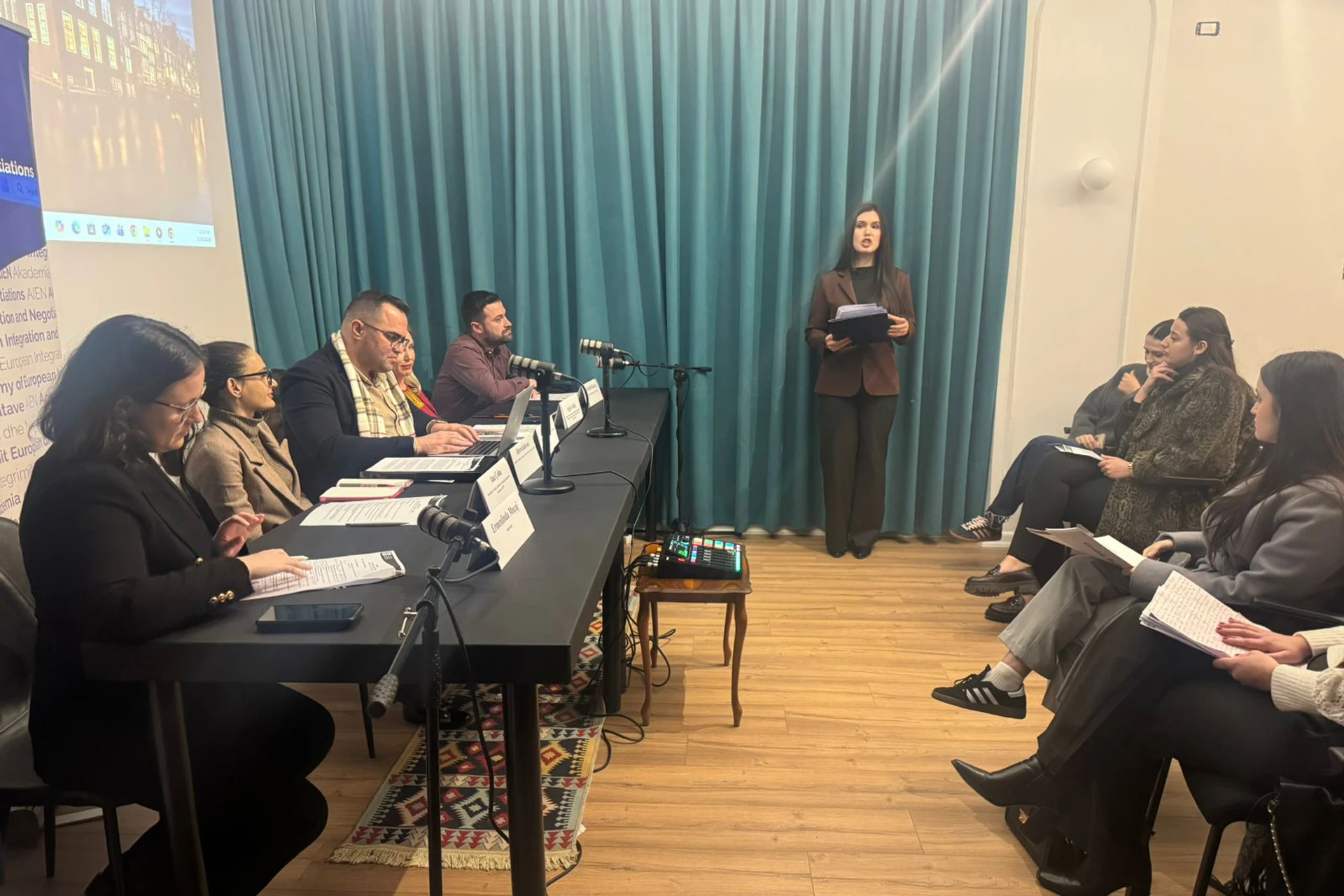
The debate also underlined the importance of improving corruption reporting mechanisms by making them more accessible, anonymous, and trustworthy for young people. Strengthening institutional follow-up and ensuring visible consequences for reported cases were identified as critical steps to building trust in these systems. In parallel, reinforcing legal and institutional protections for whistleblowers remains essential.
Another important recommendation concerned the expansion of digital tools and open data platforms to enhance transparency. Participants suggested that public institutions should make data on public spending, procurement, and decision-making processes more user-friendly and accessible, enabling young people to actively monitor and evaluate institutional performance.
Furthermore, the discussion highlighted the need to strengthen collaboration between public institutions, civil society, and youth networks in designing and implementing anti-corruption initiatives. Joint actions, co-creation of initiatives, and continuous dialogue were seen as key to ensuring that youth perspectives are effectively reflected in anti-corruption efforts.
Finally, the debate stressed that promoting a culture of integrity among young professionals is crucial. This can be achieved through targeted training, mentorship programs, and awareness-raising activities that encourage ethical behaviour in both public and private sectors. At the same time, participants underscored that stronger political will and institutional accountability are necessary to ensure that anti-corruption measures are not only adopted but consistently implemented and monitored in practice.
The debate was held within the framework of the project Regional Youth Dialogue for Europe (RYDE), funded by the European Union.
The Regional Youth Dialogue for Europe Project is implementing by the Center for Democracy Foundation (CDF), Belgrade (as project coordinator) and partner organizations: Academy of European Integration and Negotiations from Tirana (AIEN); Kosovo Stability Initiative from Pristina (IKS); Association Network of Progressive Initiatives from Sarajevo (NPI); NGO Info Center from Skopje (NGO IC); Regional Academy for Democratic Development from Novi Sad (ADD); Youth Act Center from Tirana (YA). The project is funded by the European Union.
Academy of European Integration and Negotiations (AIEN)
Regional Youth Dialogue for Europe – RYDE
Project is funded by the European Union.