
Politeia School for Civil Society

The idea about Politeia School emerged in early 1997 during large civic and students protests in Serbia. The Center for Democracy Foundation was provoked by new democratic energy and incited to create a program which would contribute to the development of democratic potentials of young generation as future leader of democratic reforms. Young people were particular victims of the authoritarian regime and international isolation and hurt in a specific manner by the conditions of living in Serbia in period 1990-2000. They were growing up in a society where the normal system of values was destroyed while their surrounding was agressive…
Church, state and civil society (International conference 1998)

An international conference was held in Belgrade in June 1998 which gathered philosophers, political scientists, politicians, representatives of various churches and religious communities from South Eastern Europe, the European Union and the US. The role of the church in society, relationships between confessional and national homogenisation, the issues of religious freedom and confessional pluralism, the position of the church in relation to private and public spheres of life, the role of the church in education, inter-confessional and interethnic tolerance – were some of the major topics discussed by experts at this two-day event. Provoked by the current state of affairs…
The role of electronic media in the development of democracy in Eastern Europe (1997)

The independence of the media was a key precondition for the democratisation of Serbia. Development of electronic media in those years required the different legislative regulations of this sector. A two-day event held in November 1997 was participated by a number of journalists and media pundits from SR Yugoslavia, Bosnia and Herzegovina, Croatia, Eastern and Western European countries, the US and Canada. The event reflected on various aspects of the current situation in the media and the role they play in Eastern European countries, with special focus on radio and television which have the strongest influence on public opinion. The…
Legal position of refugees and the process of integration (International round table 1997)

As a logical follow up to a round-table discussion on refugee integration in Serbia, directly brought about by the entering into force of the new Law on SRY Citizenship, this international event was staged with the aim of initiating regulation of the legal status of refugees: their citizenship, refugee status, property and labour rights, as well as to raise public awareness on the need to bring forth a general integration programme. The Final document “Recommendations for regulation of the legal status of refugees in the process of integration and repatriation” was adopted and conveyed to international organisations, state authorities, national…
Refugees and what to do with us – Possibilities and perspectives of refugee integration in Serbia (1996)

The issue of refugees from Croatia and Bosnia and their future was often raised and discussed as a dilemma between their return and integration. Considering the realistic view of how refugees in Serbia lived and the unsuccessful and long-lasting process of repatriation, the Centre for Democracy Foundation organised a round table with the intention of inspiring a public debate on the possibilities for reintegration and, in cooperation with other institutions, namely the Government of Serbia, facilitating development of a programme for refugee integration. Round table discussions reflected on a number of aspects of integration and possible programmes in each of…
Democratic processes and ethnic relations (International round table, 1995)
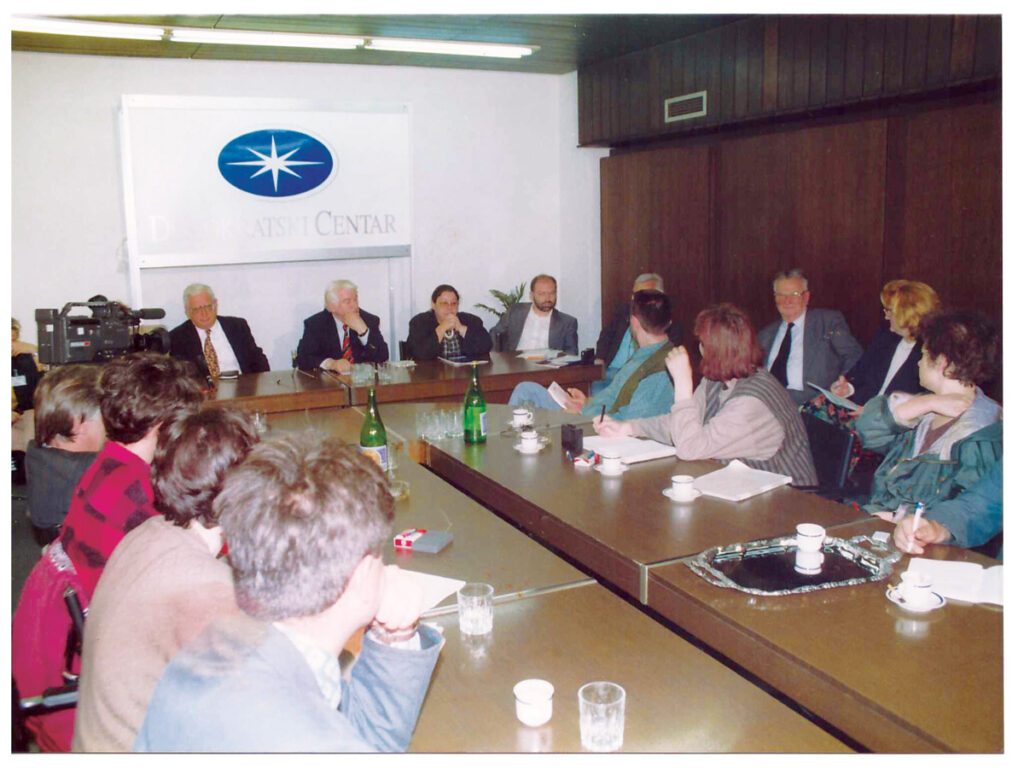
Many years after the disintegration of the former Yugoslavia began, this International round table was the first event of its kind and a unique opportunity to deliberate on the current state of interethnic relations in SR Yugoslavia. Various representatives of parliamentary political parties from the government and the opposition, political parties representing ethnic minorities, independent intellectuals, experts and representatives of OUN, OSCE, European Parliament, Council of Europe, took part in the debate. The round table was organises by the Project on Ethnic Relations (SAD), Soros Yugoslavia Foundation, International Network Europe and the Balkans (Italy) with the Centre for Democracy Foundation…
What is to be done after sanctions? – The return of Yugoslavia to European integration processes and to the EU market (1995)
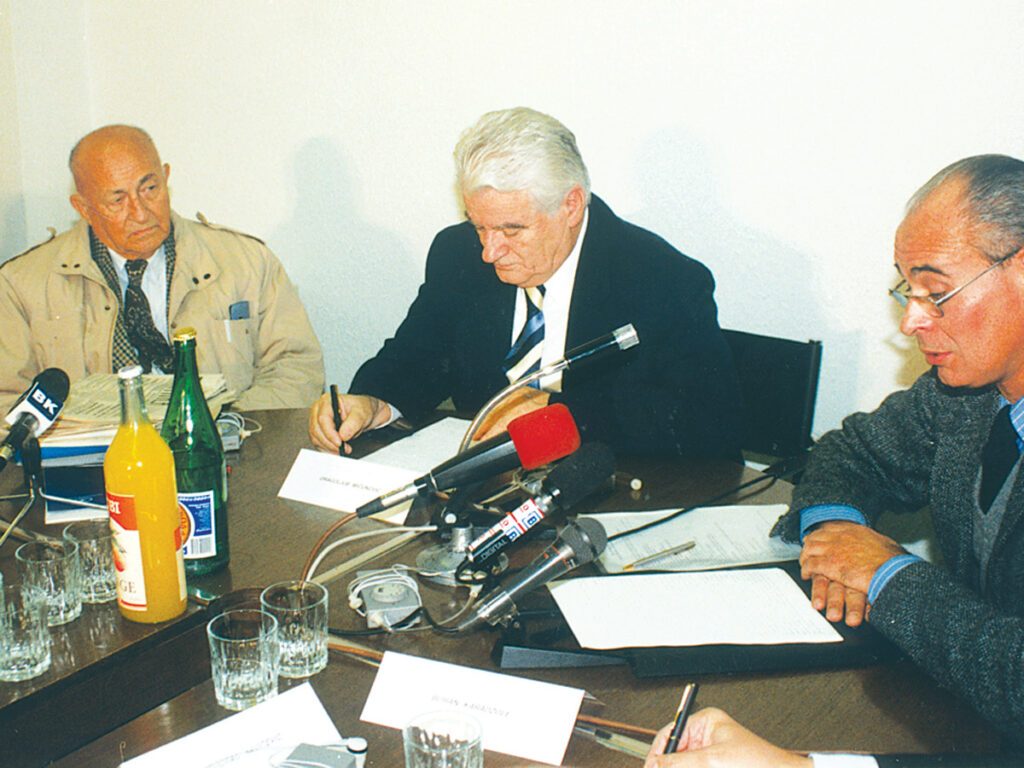
Only one day after the adoption of the UN Security Council Resolution 1022 on suspension of all sanctions imposed against SR Yugoslavia, a round table was organised on the premises of the Centre for Democracy Foundation with the participation of Yugoslav economic experts, journalists and representatives of the diplomatic corps. The aim of the round table was to facilitate realistic analysis of objective circumstances and requirements Yugoslavia would face after sanctions were lifted and bring into focus measures that need to be taken in order to provide for its reintegration into international community.
Centre in defence of individual rights: Criminal case against General Vlada Trifunović (1995)
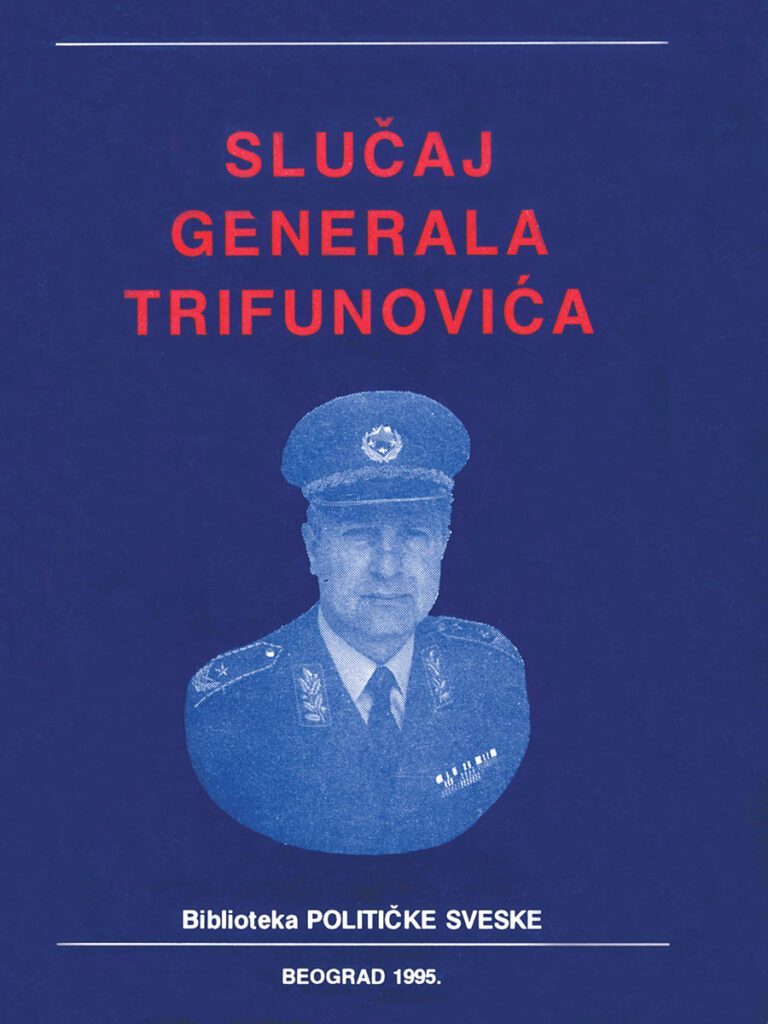
The fate of General Vlada Trifunovi? has provoked many individuals and organisations to raise their voices in his defence, raise awareness and present the public with the truth concerning this case, which differs from the one presented by the regime. Public debate on the criminal case of Gen. Vlada Trifunovi? and other officers of the Varadin Corps was held in May 1995 and was opened with an explanation of the criminal proceedings before the Military Court in Belgrade, which was perceived by the public as being one of many rigged proceedings in the military judiciary of the country. Moderators –…
Culture as a means of self-defence of a society and the individual (1995)
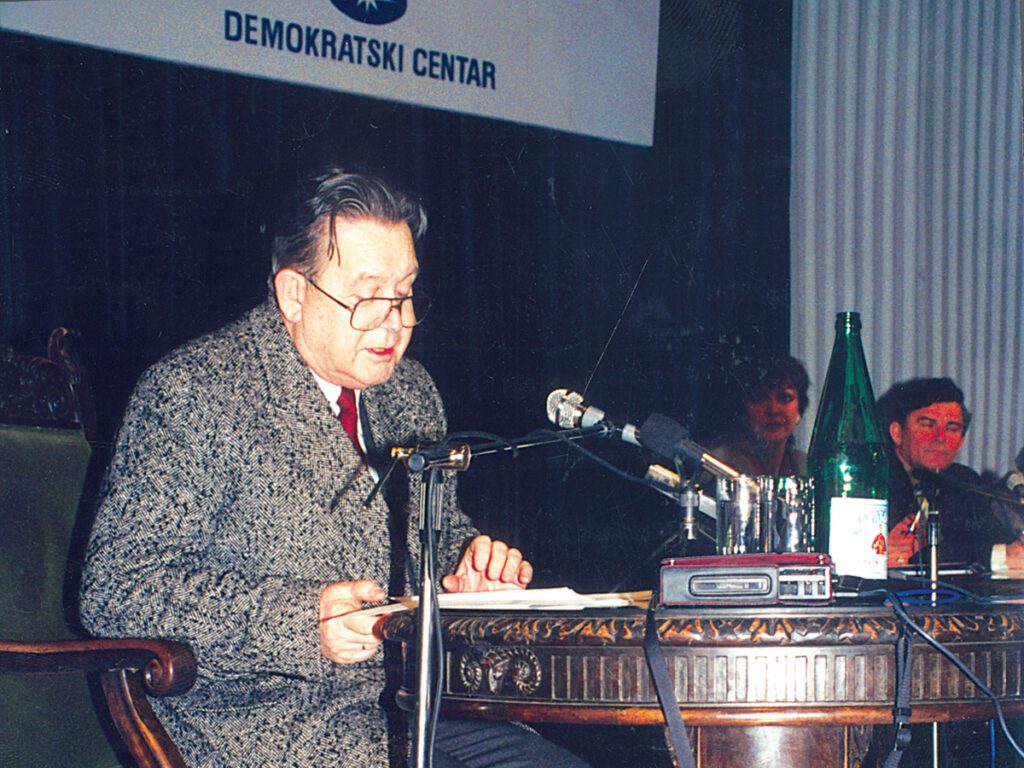
This public debate, one of the Centre’s first projects, was opened on the day the then Ministry of Culture of the Republic of Serbia proclaimed as the beginning of a “year of culture” in the Republic of Serbia. “With this debate we oppose the official cultural policy, and bring into focus some of the real problems this sector is faced with. We have gathered people who are sincerely concerned about the state of our culture in times of dissipation of cultural values, a flood of turbo-folk and primitive commercialisation of culture.” (Ivana Stefanovi?, founder of the Centre and a…
