
The Pandemic and its Consequences

Author: Dragoljub Mićunović The Covid-19 virus has swept the globe, moving from continent to continent and taking with it the lives of hundreds of thousands of people, attacking the organisms of millions, instilling fear in billions of our planet’s inhabitants. Where has this mass hysteria caused by Corona come from when the fatality rate of those who catch the virus is significantly less than with other illnesses? Despite the fact that Corona has yet to come to the end, numerous comments and analyses on the subject have cropped up from all over the globe. It’s as though it shocked the…
Testing Solidarity During the Pandemic
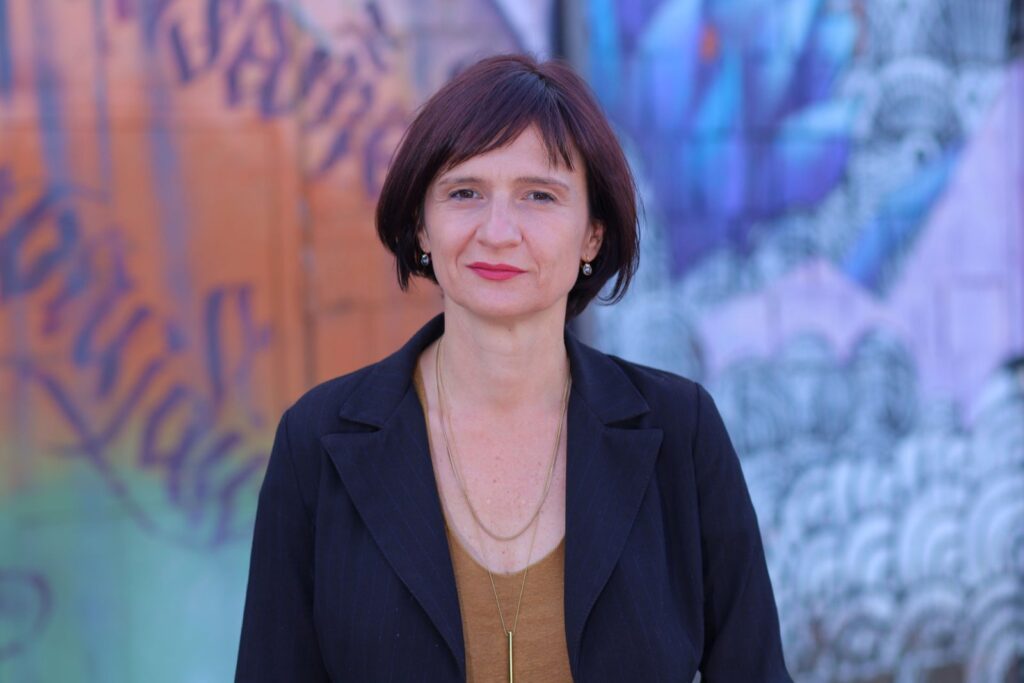
Author: Vesna Marjanović Three months after the declared state of emergency and one month upon its cessation, the Center for Democracy Foundation organised a debate on the subject ‘Solidarity During the Pandemic – Civil Society’s Response in the Local Community’. In line with this topic and the current situation, the debate was held on 15 June in a form made popular during the pandemic – the webinar. This open dialogue allowed for insight into the experiences faced by different civil society organisations during the pandemic in their efforts to provide their local populations with support, and the manner in which…
How have the measures put into place to mitigate the effects of the epidemic impacted society?
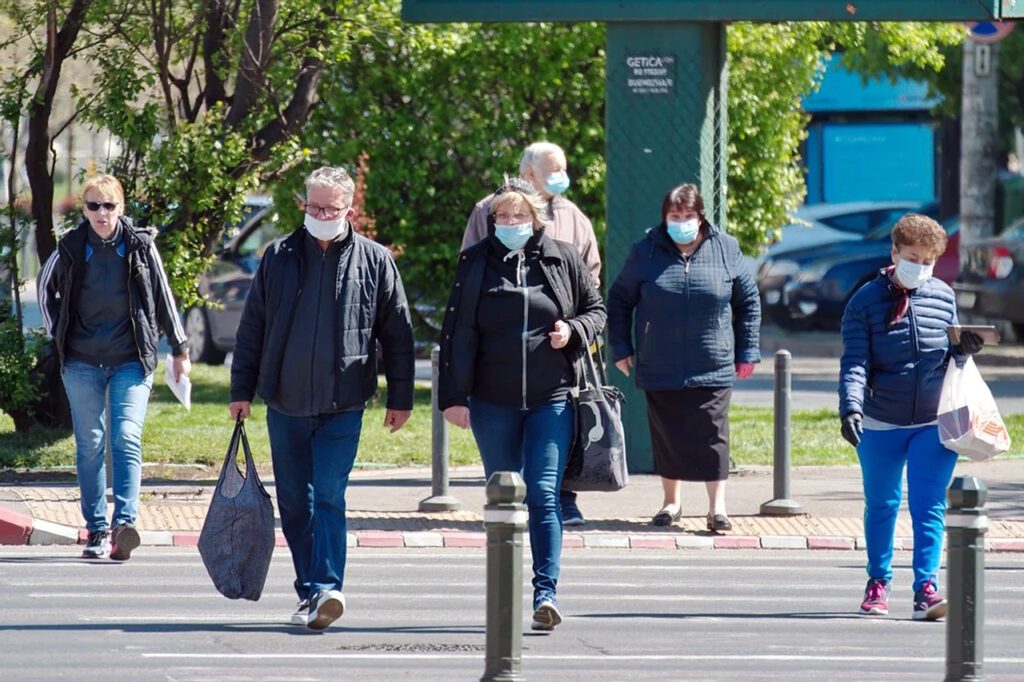
Author: Ivan Sekulović The traditional folk saying "measure thrice, cut once" does not seem to hold much clout in Nemanjina Street. Not a single decision rendered by the Serbian Government during the COVID-19 epidemic was done so on the basis of prior analyses of their expected impact on society. Moreover, there was no indication of initiating any form of public debate in this regard, not even as a symbolic gesture. Rendering decisions at the highest level was shrouded in an obscure veil of ‘let’s let the experts handle this’ (crisis headquarters were set up, where medical staff had the last…
Zagreb 2000 – Zagreb 2020
Author: Nataša Vučković “We are meeting in Zagreb at a time when democracy is about to carry the day throughout this region”, was the opening sentence of the Declaration adopted at a historical EU summit in Zagreb in 2000. Times of great optimism, initiation of the stabilisation process and accessing EU financial aid, an open proposal for countries of the Western Balkans to join the European Union in line with the Copenhagen criteria. Twenty years later, on 6 May, the EU and Western Balkans Summit is being held in Zagreb at the end of the first wave of the Covid-19…
Parliament and the Pandemic – What is there to be done?
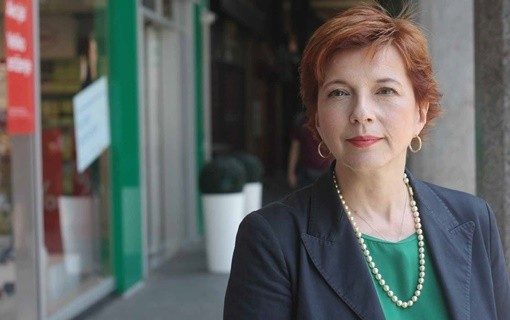
Author: Nataša Vučković An appeal to governments of the Western Balkans to enable their respective parliaments to resume their work, made last week by Tanja Fajon MEP, and backed by the European Parliament rapporteur for Serbia, Vladimir Bilčik, once again refocused our attention on the stillness that has permeated our National Assembly since the second week of March. In deliberating on whether or not the National Assembly could have convened to declare a state of emergency, both those in favour and those opposed make valid points. Perhaps the risk was indeed too high and technically speaking, there wasn’t enough time…
Senior Cohousing Communities – a way to overcome loneliness, abandonment and lack of support
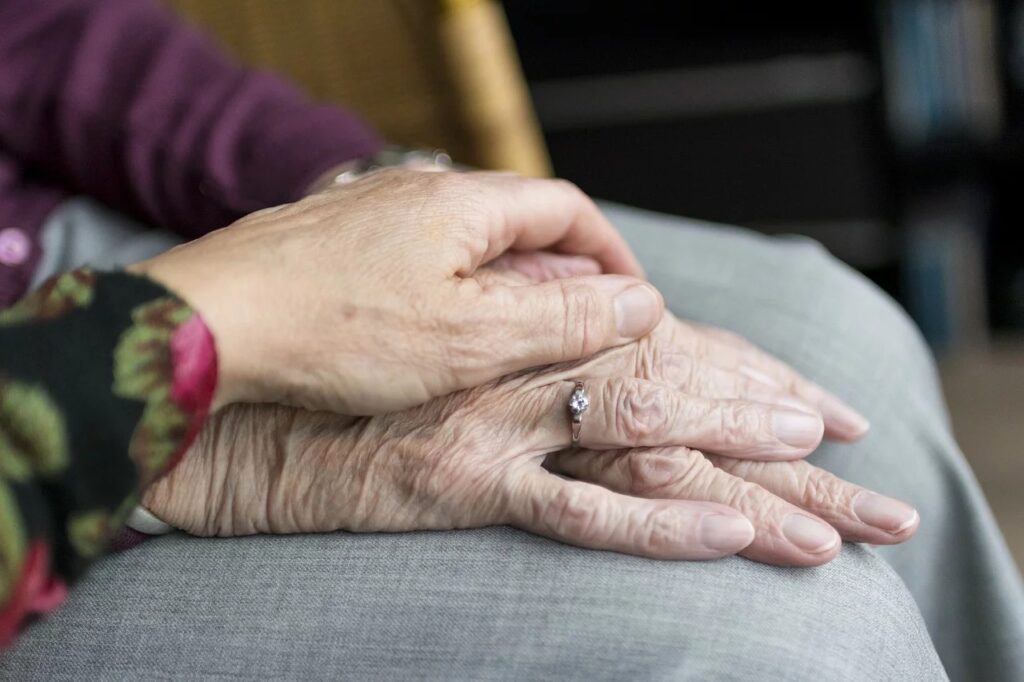
Author: Ksenija Petovar Lockdown for those over the age of 65 has made the question of how synchronised are forms/types of accommodation for the elderly, with their daily needs and abilities to actively and rationally organise their daily lives, a hot topic. Generally, we know that Europe’s population is ageing rapidly, that Serbia belongs to the group of European (and Non-European) countries with the highest median age (over 43), that the ageing index (ratio of age contingent 0-19 and 65 and more) in Serbia exceeded 1 a long time ago (the number of elderly citizens exceeds the number of children),…
Project implementation in the era of Coronavirus

Extracted from the Blog of Emilija Dolovački, ALDA Project Coordinator Today on 30 March, the third week of teleworking has already started. Social networks and new technology gained importance and are used more than ever. Although we have all used various online communication platforms already, in this moment everything is completely different. Those platform have become integral part of our daily routine and the only way of communication between employees, both within the organization and with external associates. Meetings of all employees are held at least once a week via Skype. Project team meetings are held on daily basis. All…
Working from home – now and in the future

Author: Damir Zejnulahović The COVID 19 pandemic has changed the daily lives of the majority of the world’s population, in terms of everyday activities and long-term projections, inevitably shaken by recent developments. During these early days of the pandemic it is difficult to foresee exactly what changes will have the most significant impact on people’s lives once the crisis is over. Still, new trends in the way people work, i.e. the way we relate to each other professionally, is just one of many aspects about to undergo dramatic changes. It is for this reason that the workplace, as the space…
The Saleswomen of Our Neighbourhoods

Author: Sarita Bradaš As our social environment has drastically narrowed these days, and contact with others has become limited to those working in retail, we have become more receptive to things we usually take no note of: their faces and voices. Tired faces and exhausted voices. Yes, we see the exhaustion in their faces because they aren’t wearing protective masks. The government has not made it mandatory for employers but has recommended they provide their employees with protective gear. In practice, even though employers are supposed to ensure protection according to the Law on Occupational Health and Safety, there are…
