

The idea of Politeia originated in early 1997, during a time of significant civil and student protests. The student energy for democracy inspired us to contribute more long-term to the development of democratic potential in the young generation. We believed this was a condition without which serious and sustainable democratization of the country could not be expected.
Politeia School was designed for students who wanted to expand their knowledge on civil society, tolerance, peaceful conflict resolution, democratic behavior norms in society and institutions, the European Union, and civic participation in public affairs.
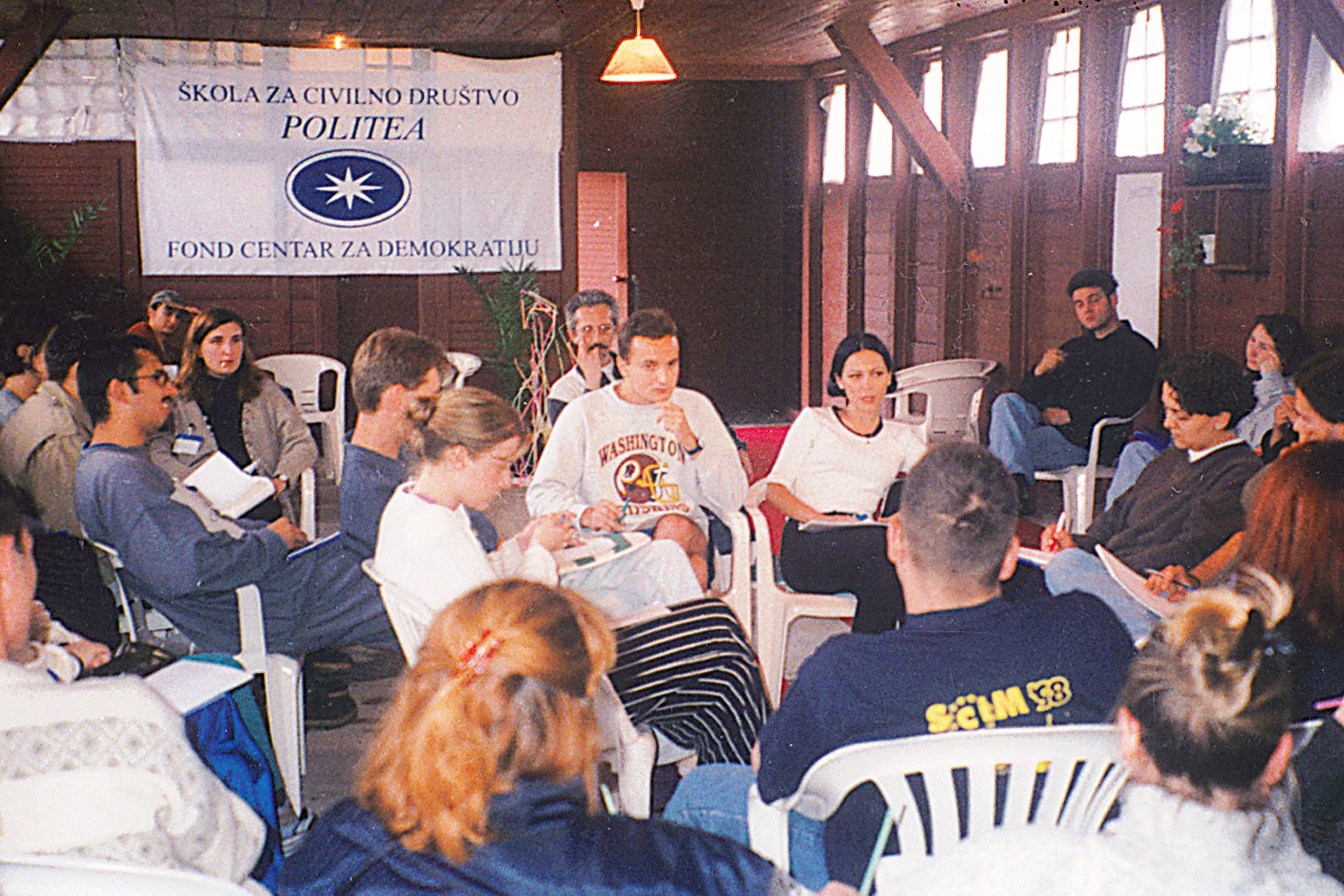
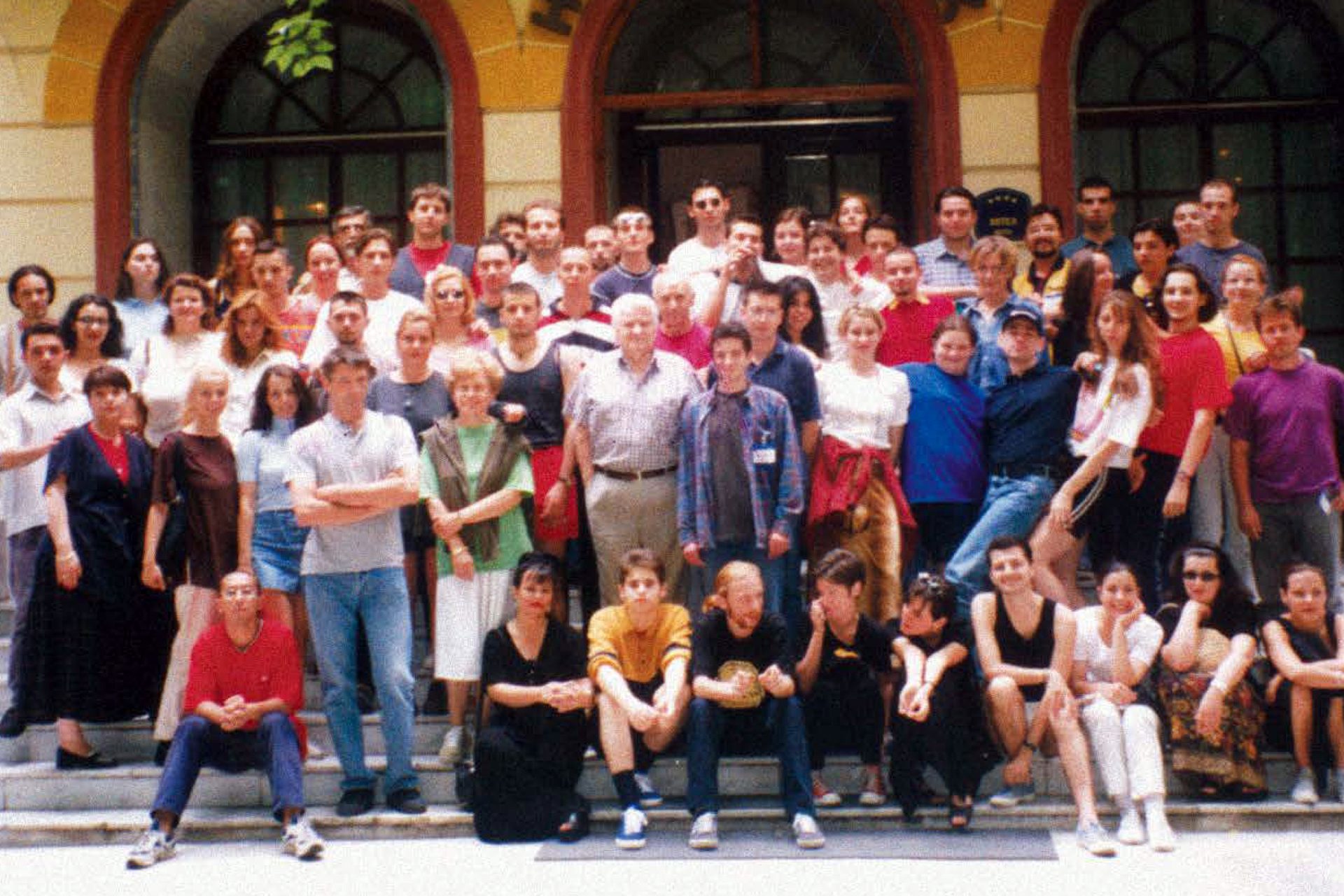
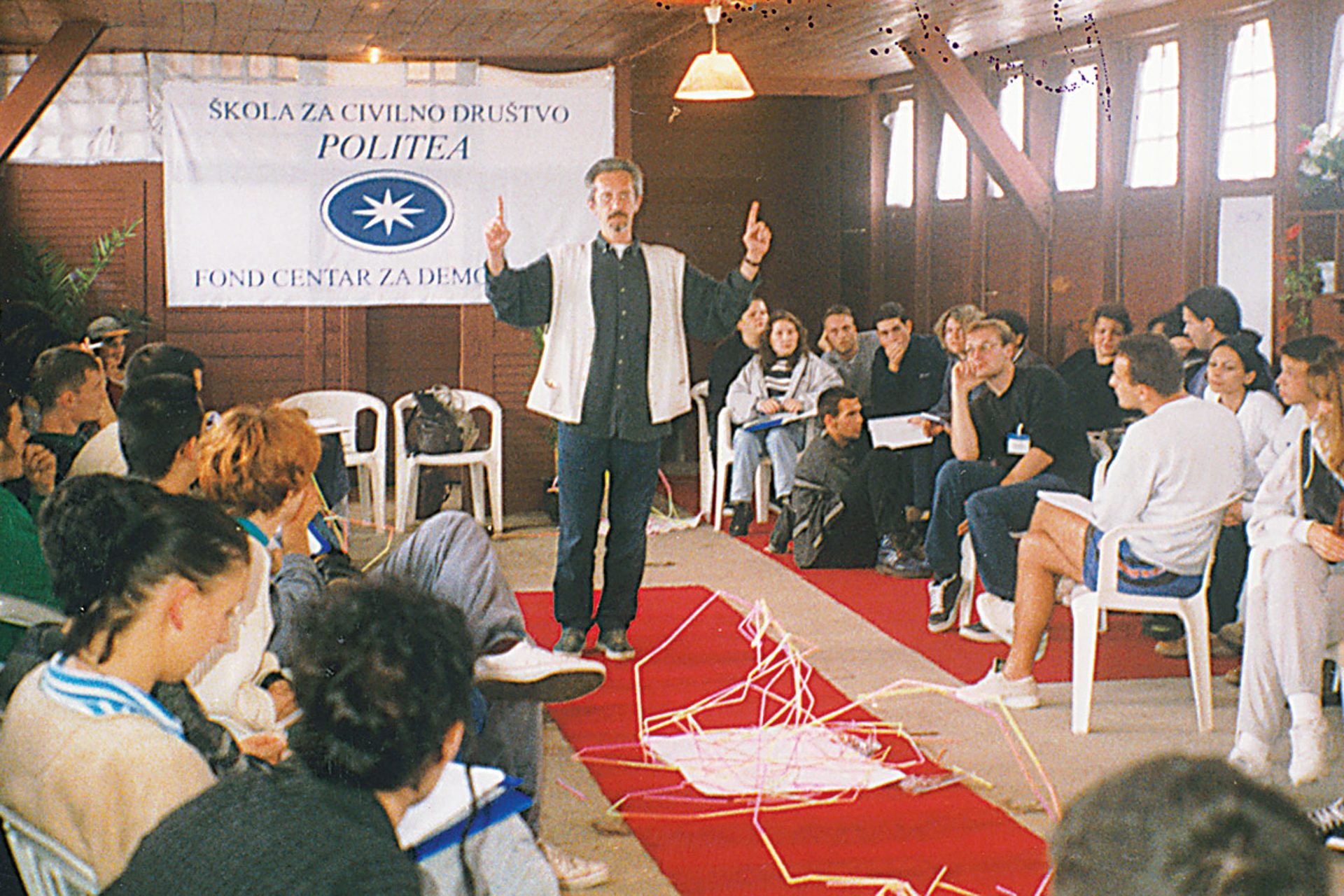
The first course was held in July 1998, followed by three more courses, with a total of 240 students. Politeia quickly became known throughout our academic circles – during that first year, four times as many students applied to Politeia as the school could accommodate. It responded to the need to bring a new tone to education and introduce a new participatory method. Politeia has always focused on the knowledge and experiences brought by the participants, on the discussions during which we identified problems that we then tried to solve together. For students, those seven days, dynamic and demanding, were an opportunity to question their own prejudices, learn teamwork, and the culture of dialogue.
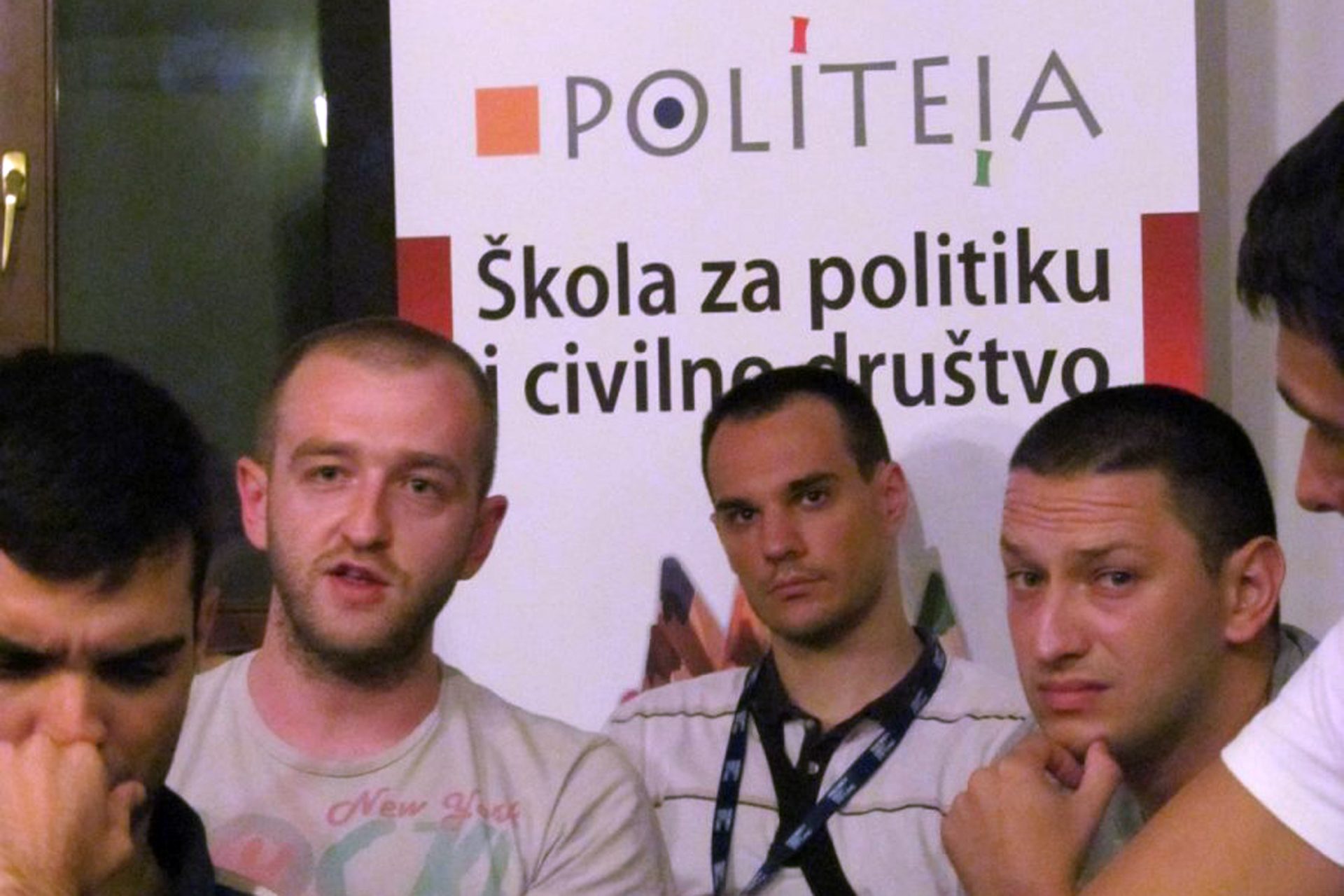
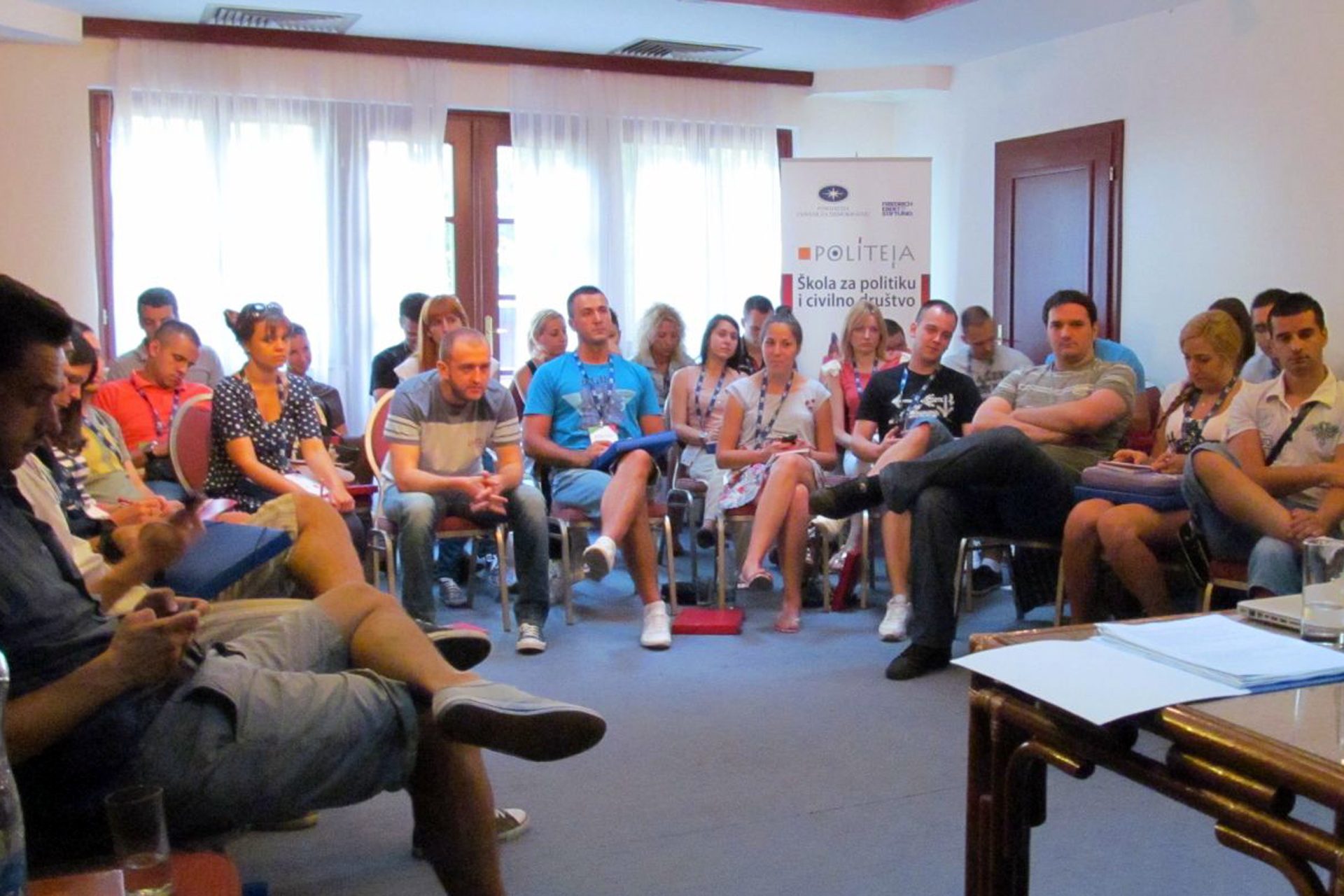
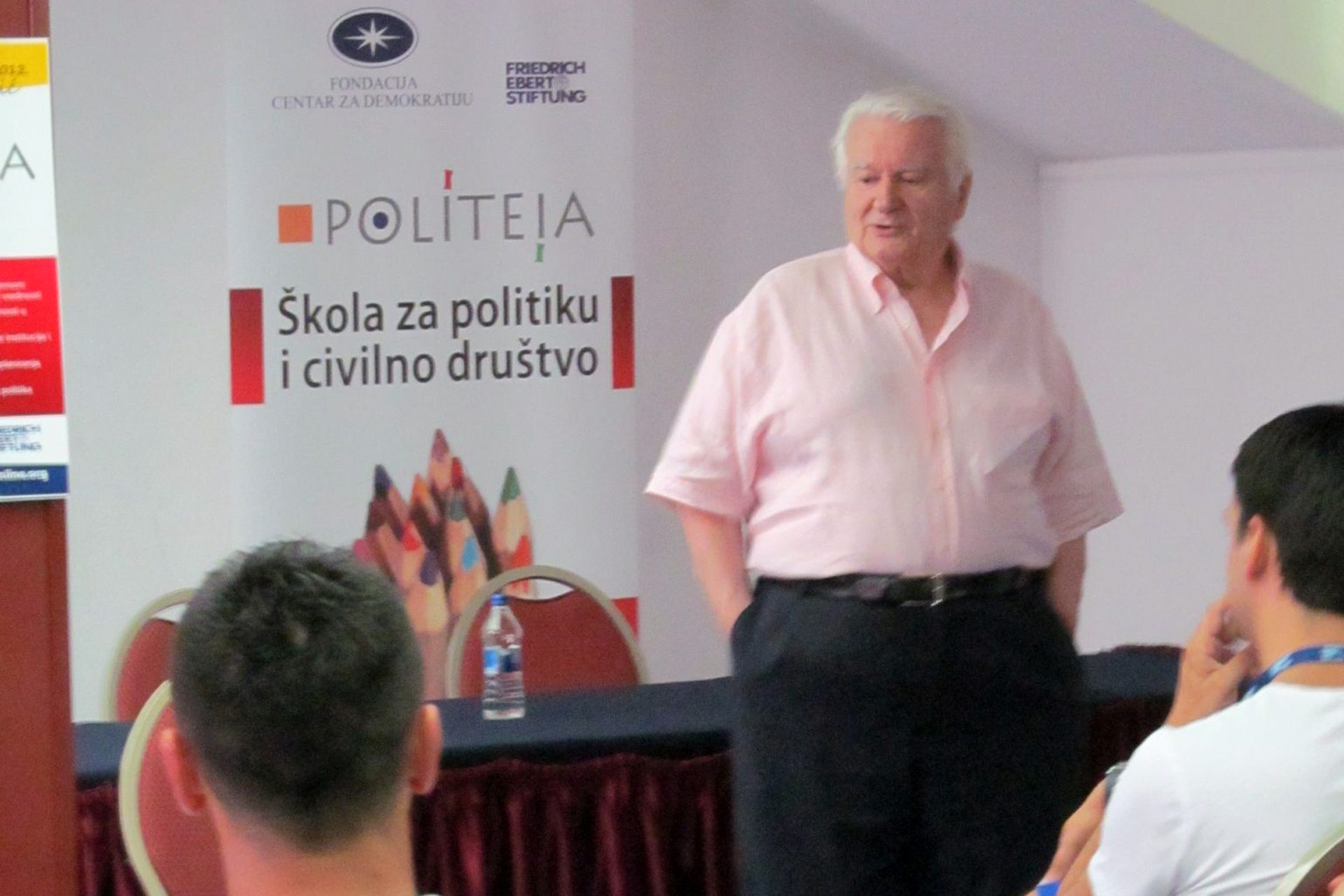
Over time, Politeia became a true brand of the Center for Democracy. The high-quality curriculum, public calls for applications, a large number of applicants among students, activists, and young politicians, a creative and stimulating environment, interactive learning, and the dedication of lecturers, moderators, and volunteers all contributed to this school gaining a reputation as one of the most popular non-formal educational programs in our region.
Politeia maintained its popularity among students even after the democratic changes in Serbia. For one of the courses in 2004, we received 420 applications.
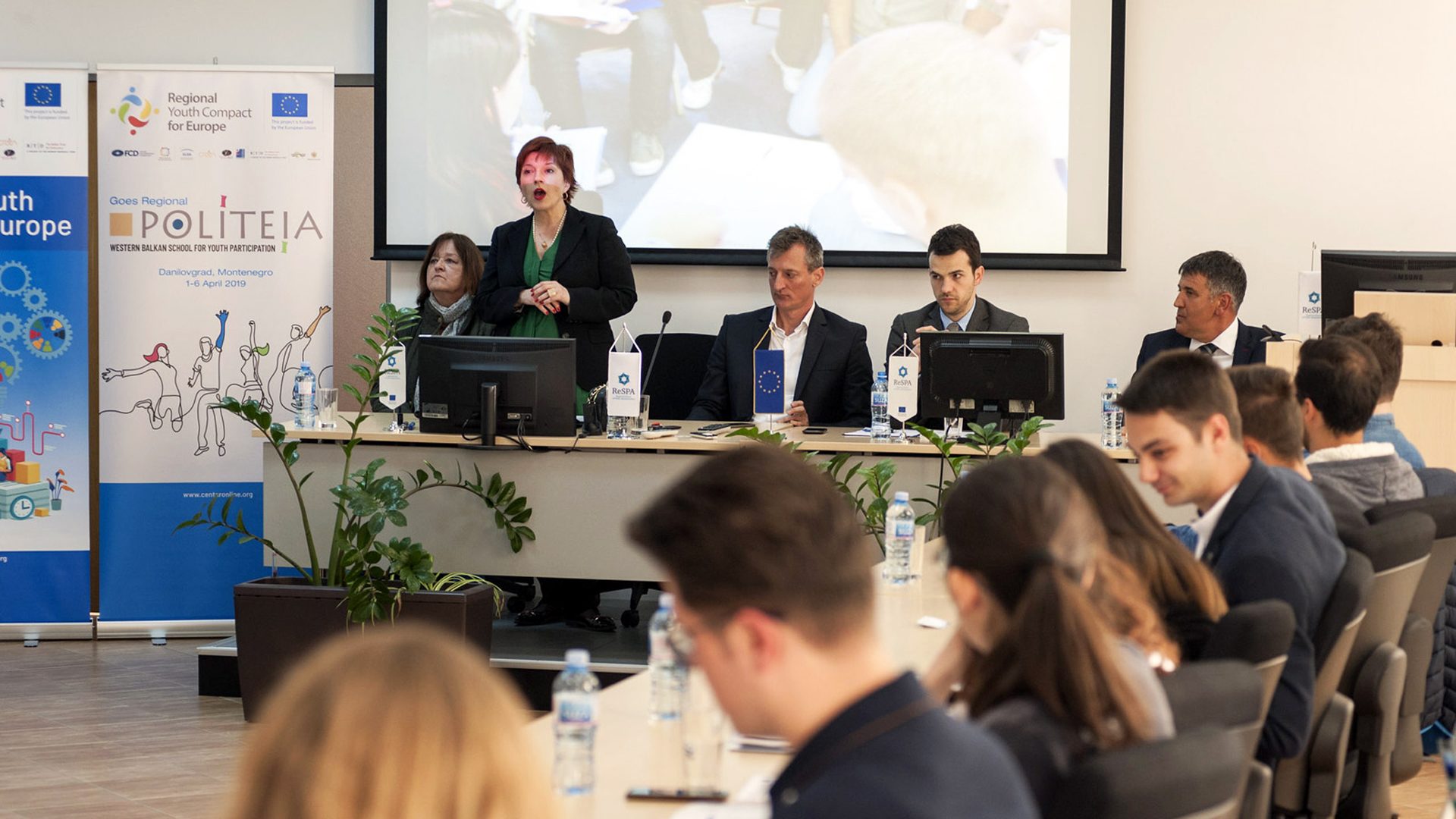
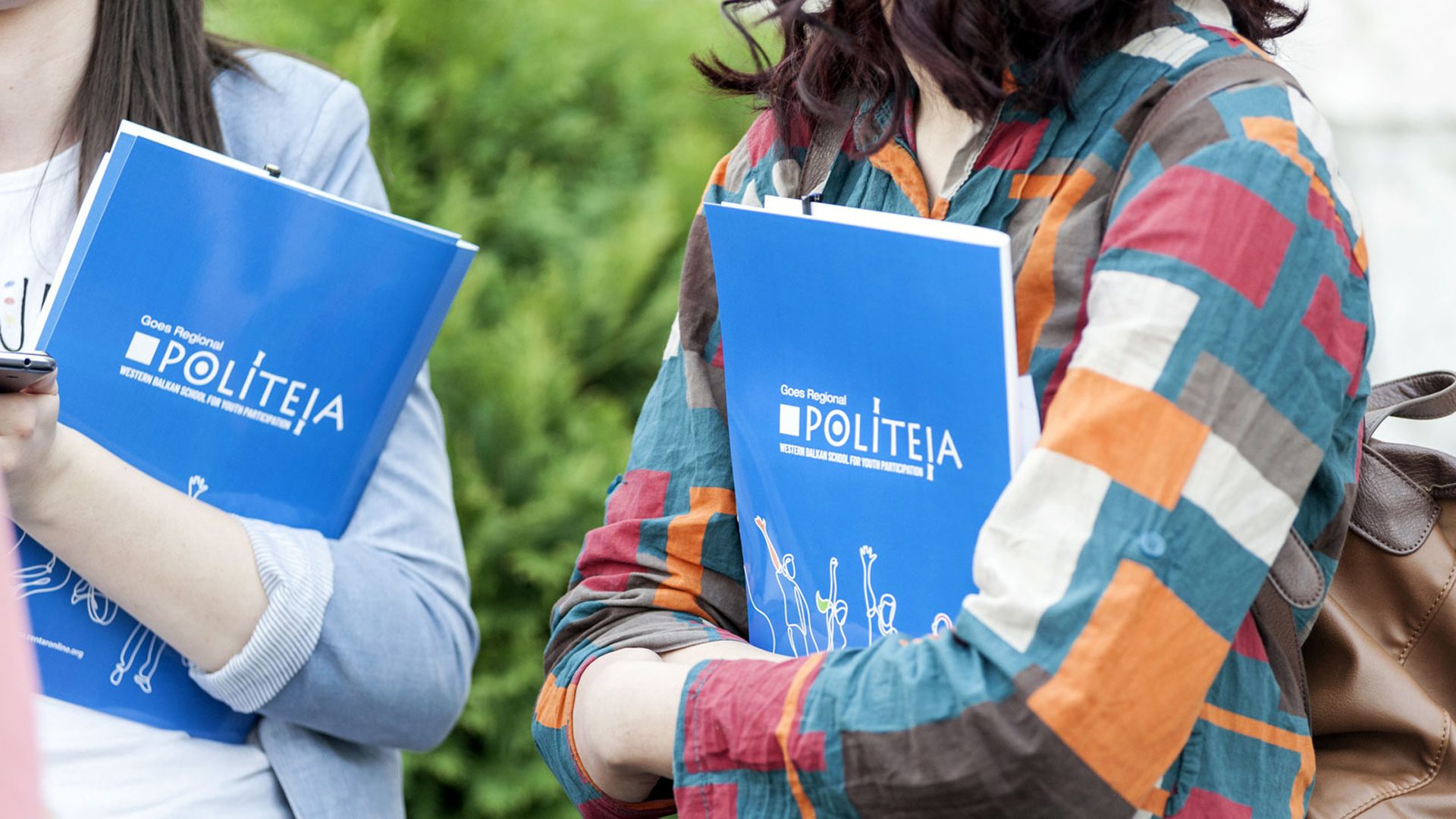
Politeia was supported by almost all donors of that time: the European Commission (now the European Union), USAID/OTI, the Open Society Foundation, the National Endowment for Democracy (NED), the Olof Palme Center, the Friedrich Ebert Foundation, and the Konrad Adenauer Foundation.
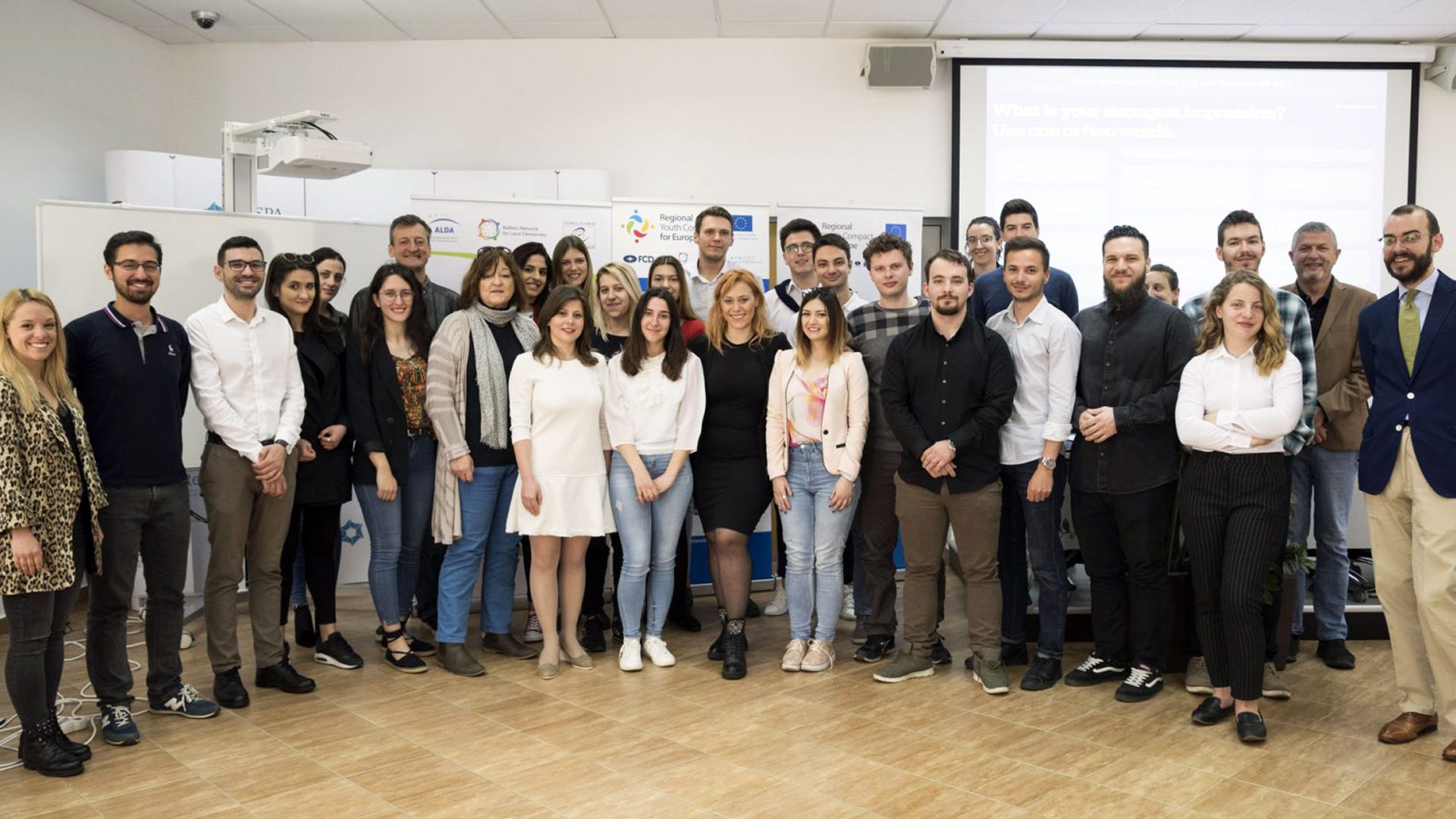
Since 2019, Politeia has become a regional project, and later a digital one, through the Politeia Institute portal.
FACTS:
- 1998: Start of the Politeia School for Civil Society and Democracy, with 4 ten-day courses and 240 participants
- 1,825 participants from Serbia, the Western Balkans, and Turkey (1998-2023)
- Over 120 professors, trainers, and experts in the School’s program
- 2019: Politeia Goes Regional – through the Regional Youth Contact for Europe (RYCE) project, the School expanded its work in the Western Balkans
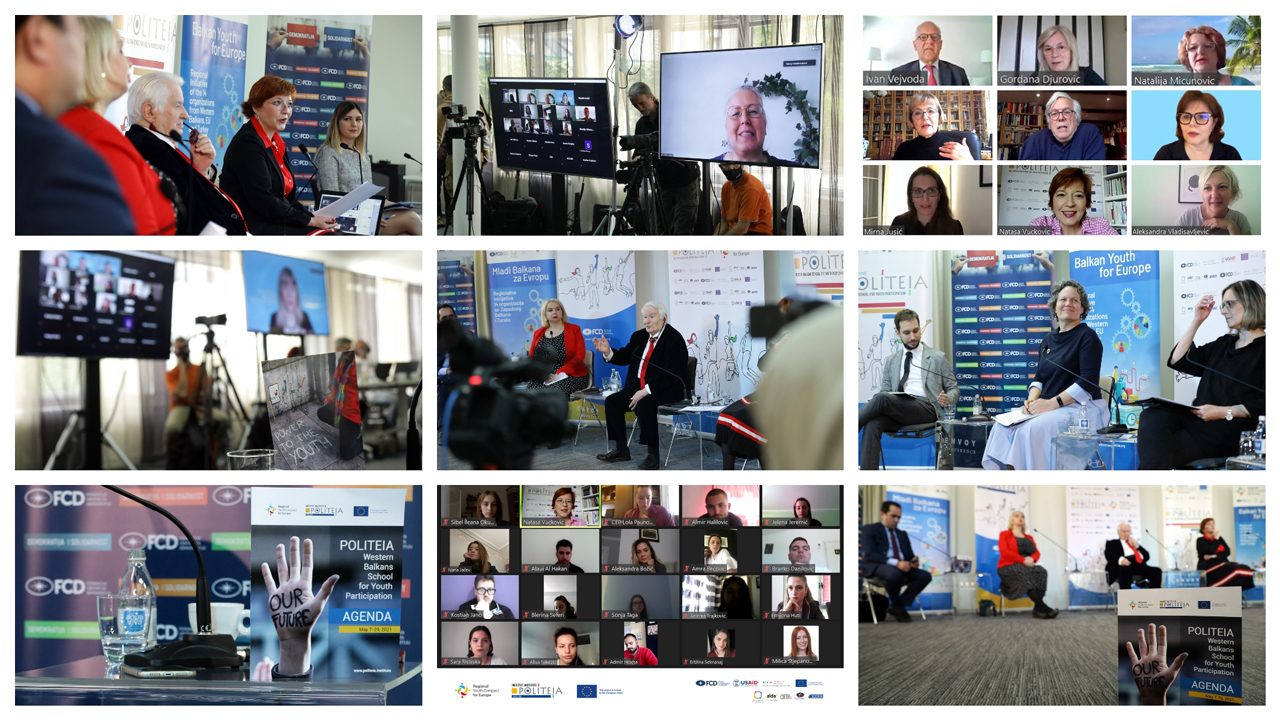
- 2020: Politeia Goes Digital – during the COVID-19 pandemic, the first online Politeia course was held
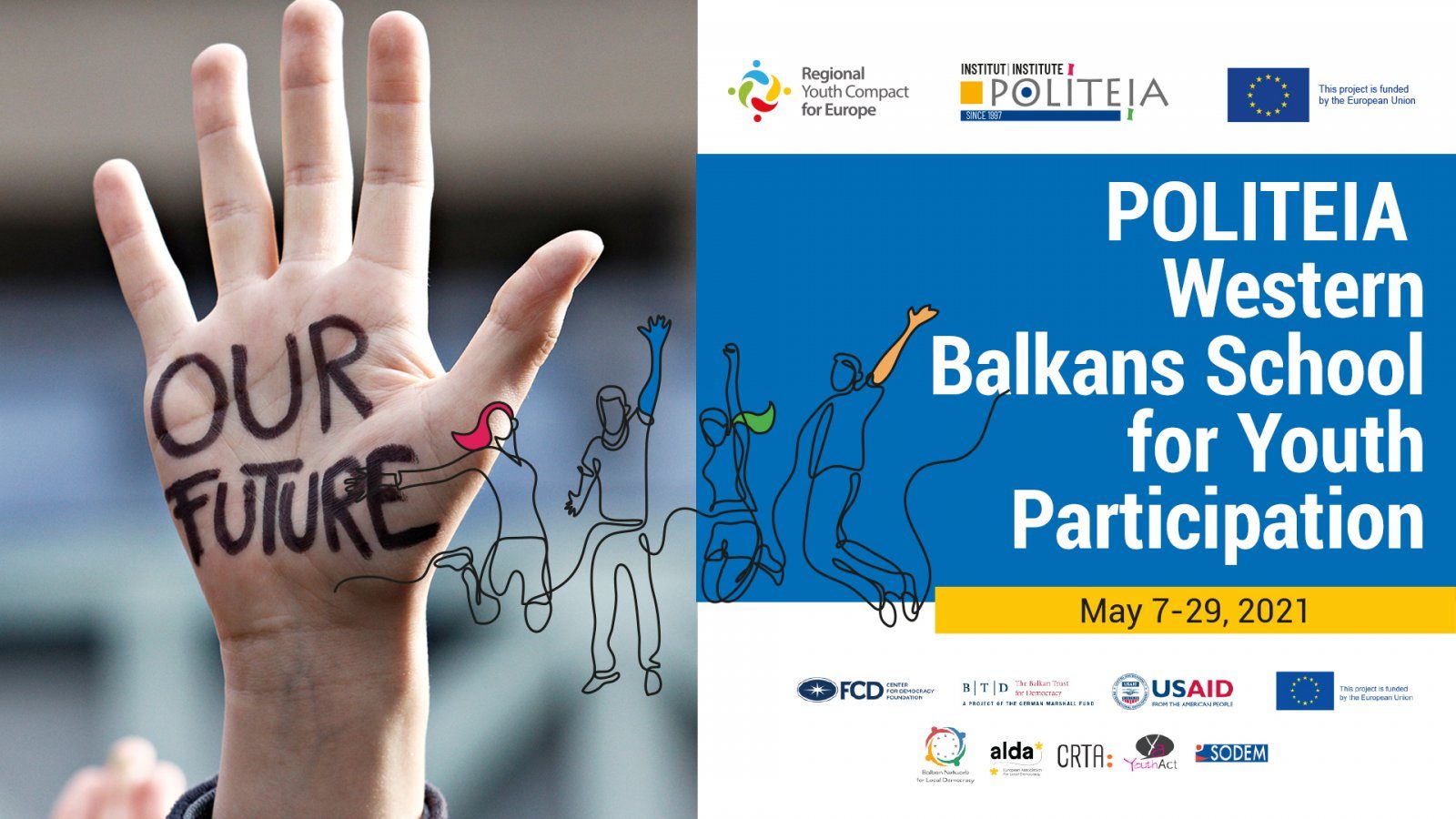
- 2021: Politeia Institute portal – created as a platform for the exchange of knowledge and experiences of youth in the Western Balkans
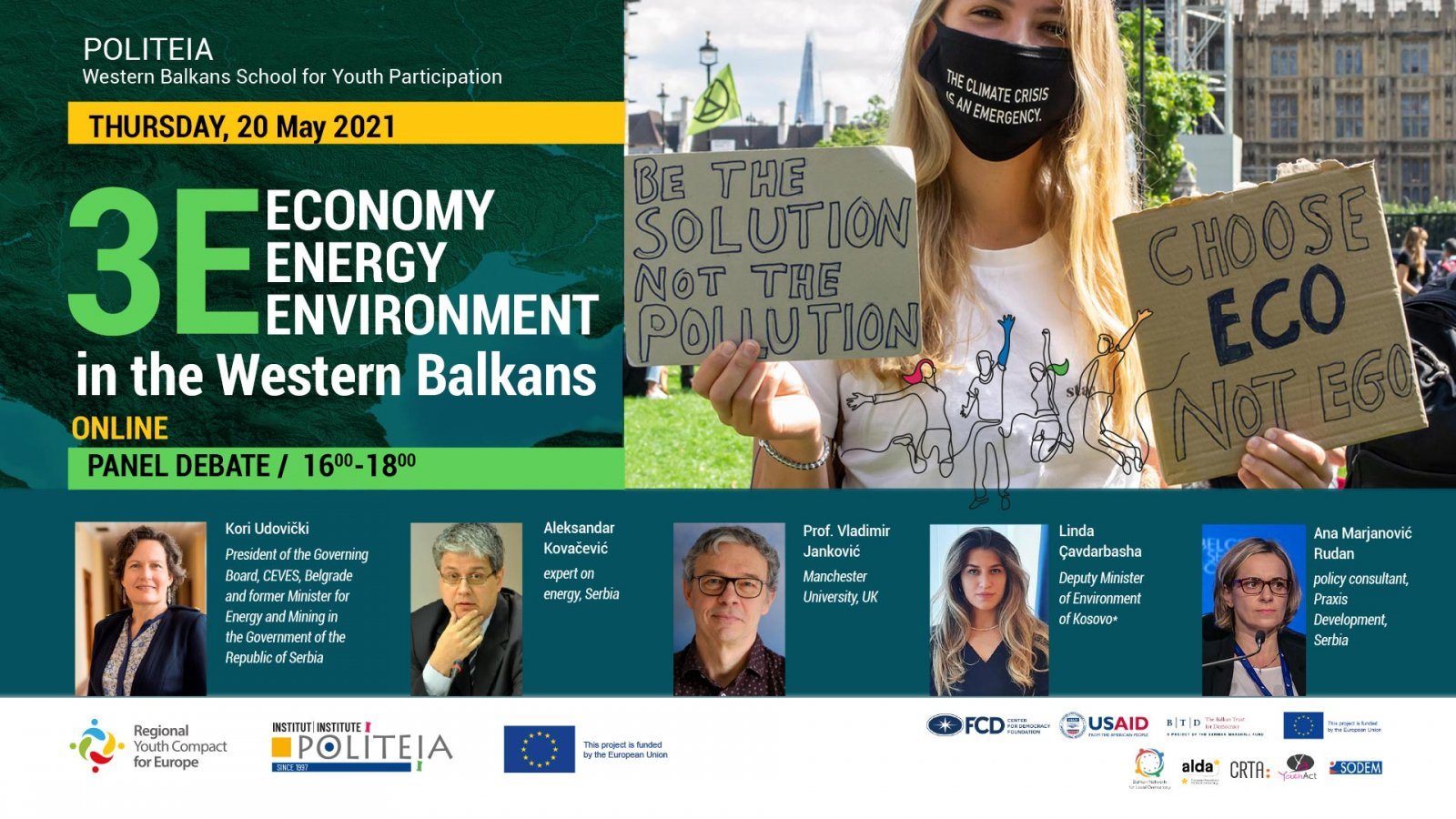
- 2023: Politeia continues its work through the Regional Youth Dialogue for Europe (RYDE) project with new thematic sessions
- 2024: New program for youth in local communities – Politeia Knowledge Hub for Active Youth
- 2025: New regional course RYDE – POLITEIA Regional School for Youth Participation
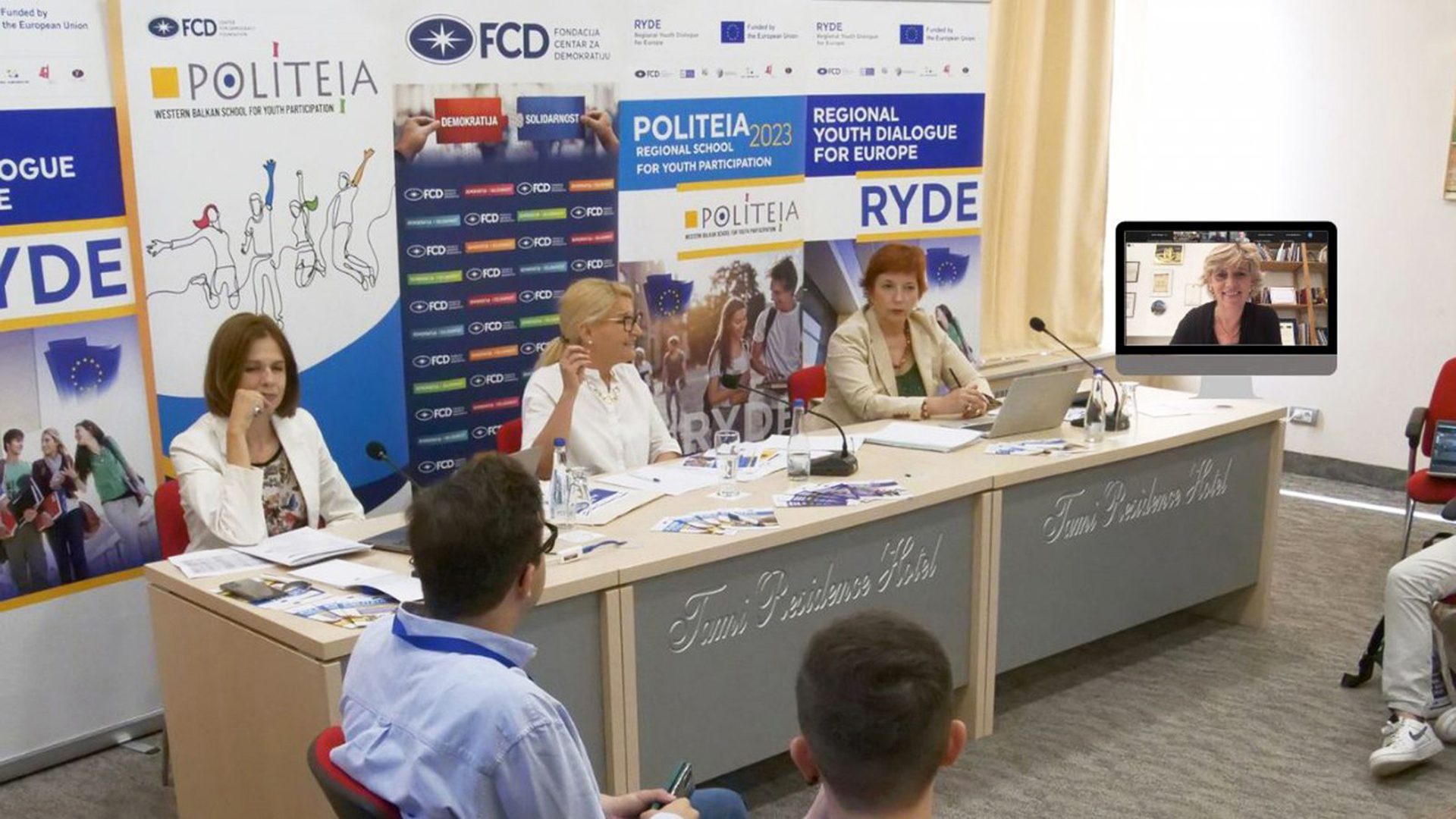
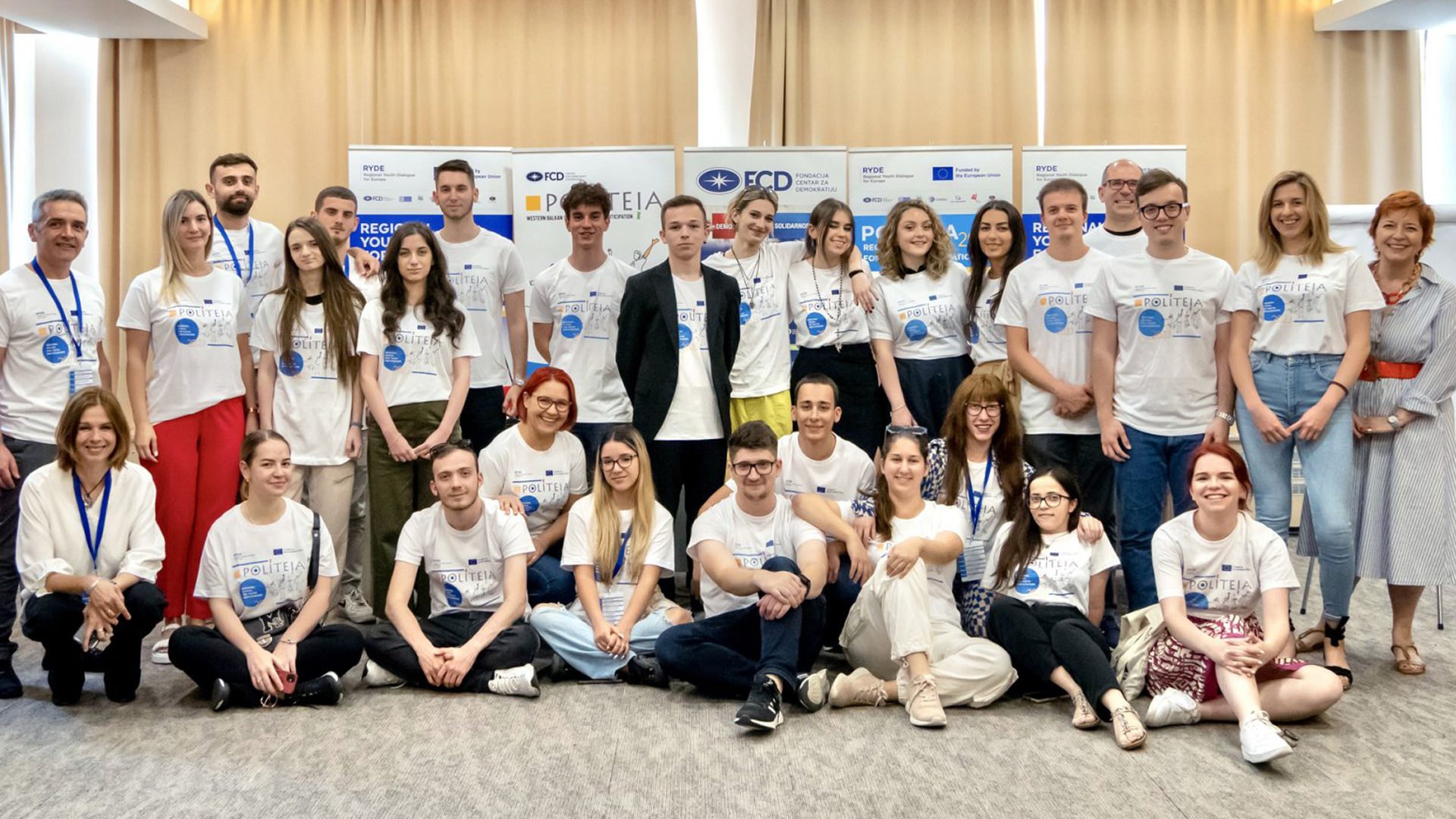
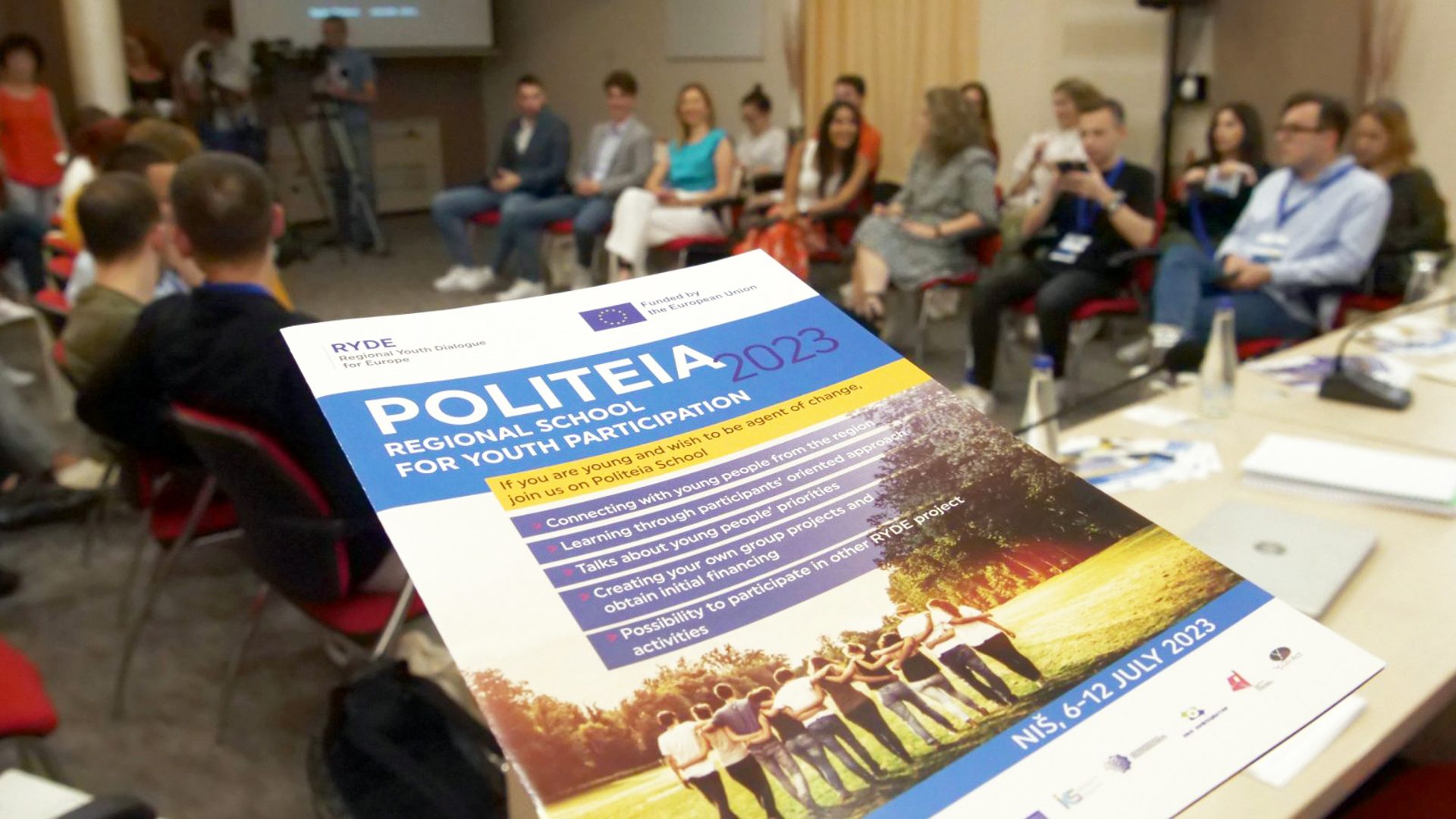
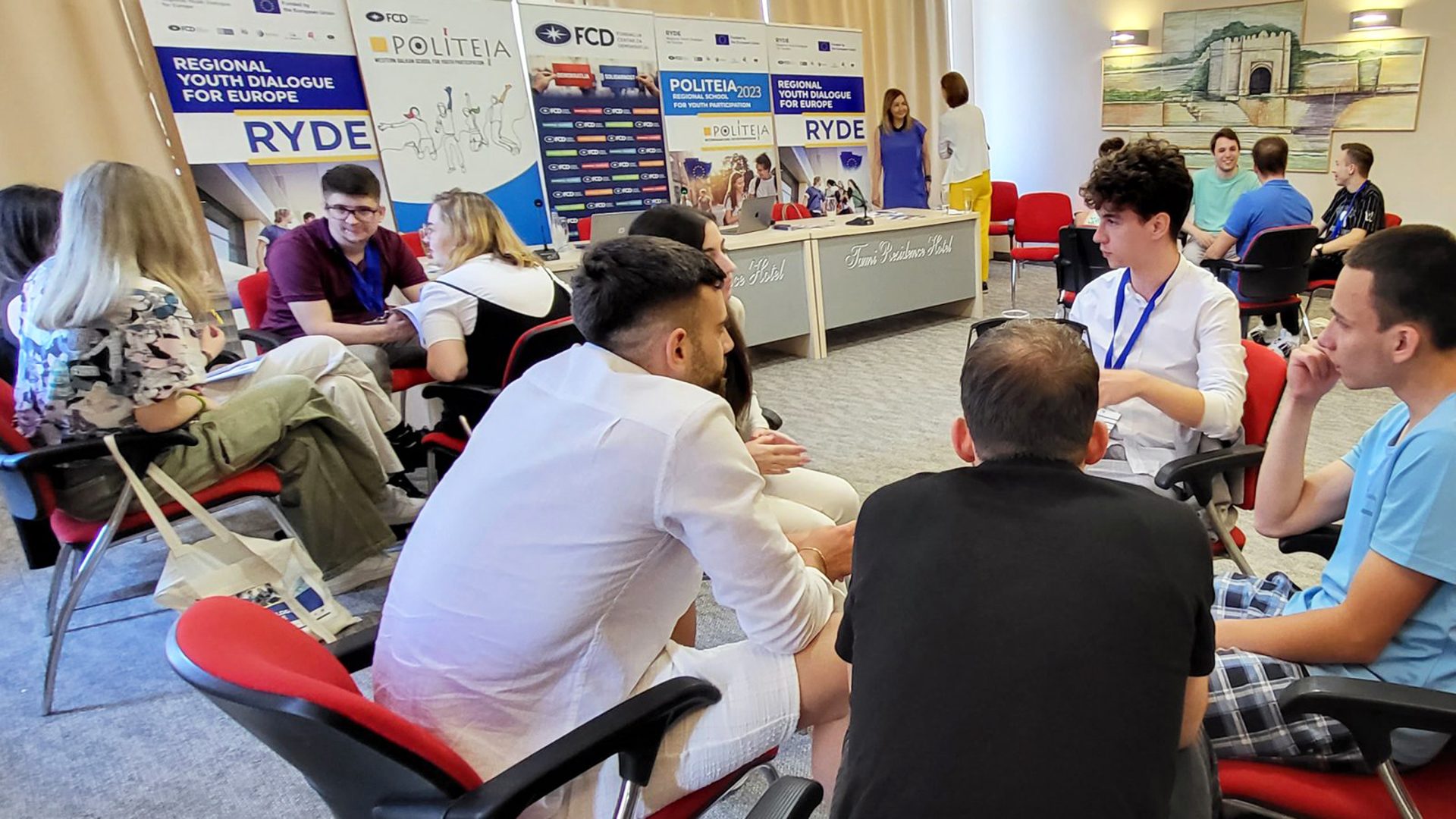
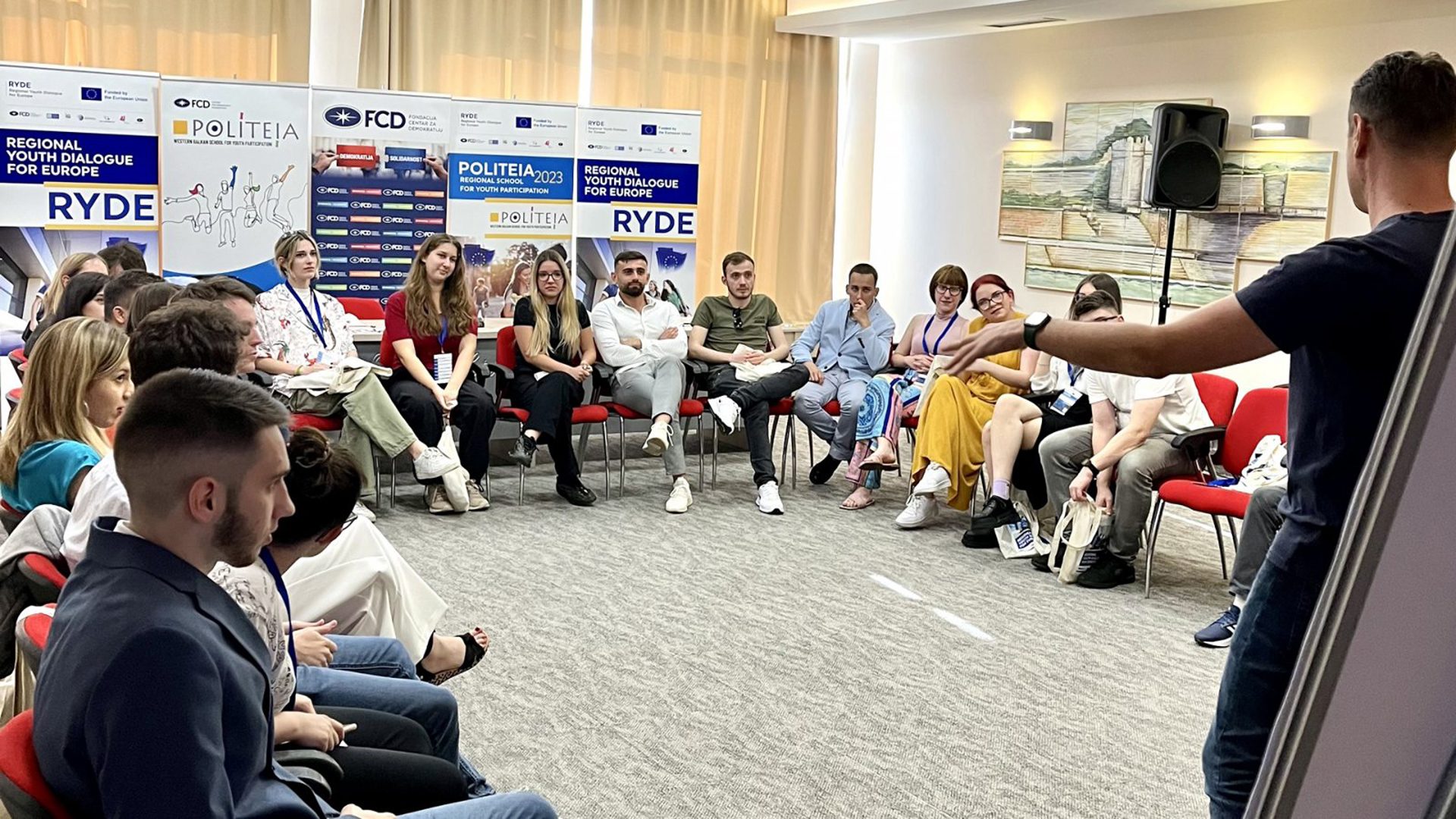
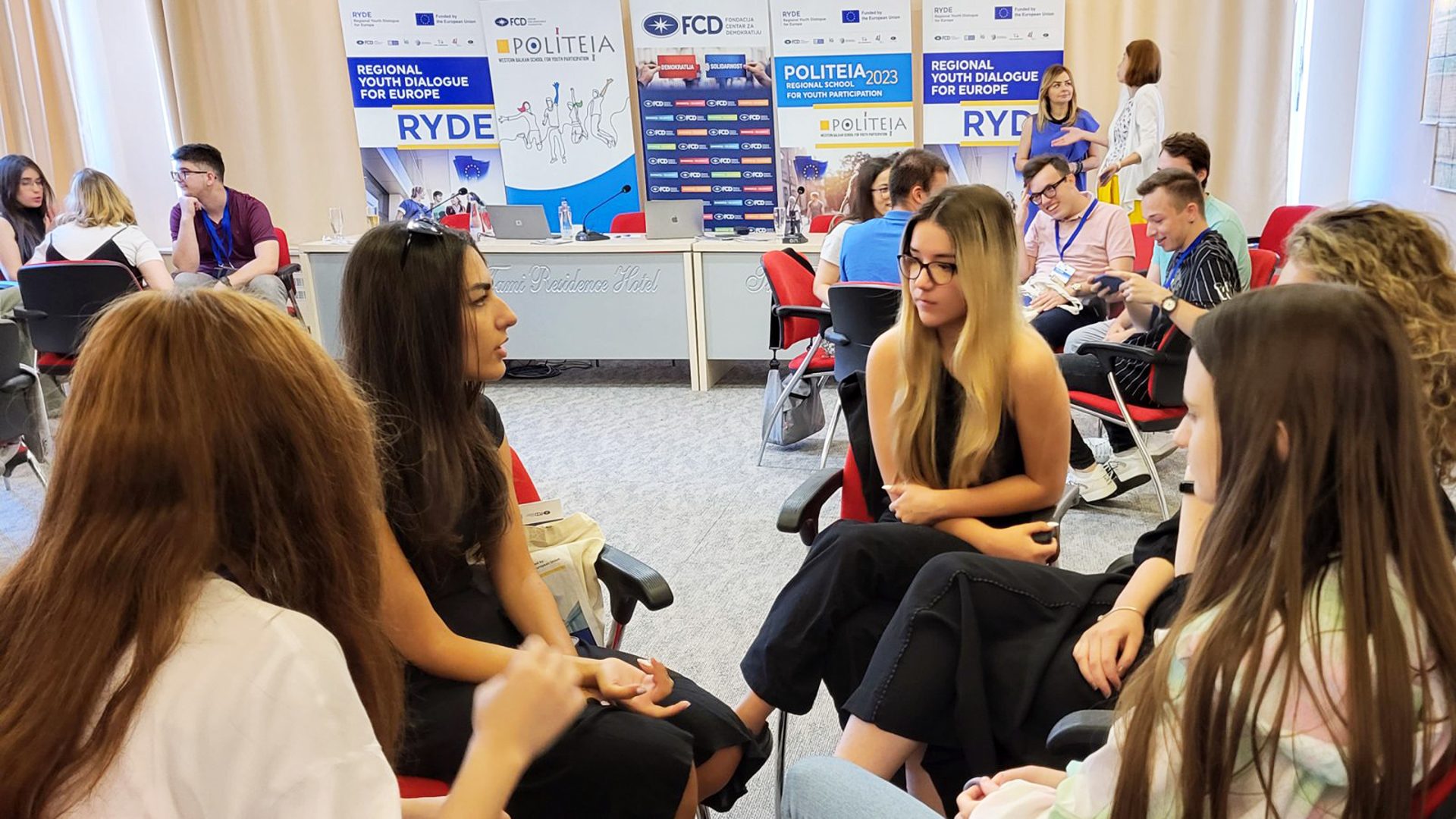
Through the Politeia School, we address all young people who want to be agents of change. Our candidates are interested in policies that improve the position of youth and open up perspectives for their development. They want to connect with peers from the Western Balkans and learn in an interactive and stimulating atmosphere that we create together in workshops, lectures, and teamwork. They can take the opportunity to exchange ideas with politicians, activists, journalists, and offer good ideas for the development of the society in which they live. They also have access to other activities within these projects.
Center for Democracy Foundation
