
The Politeia Institute – Social and Economic Rights in Public Policy
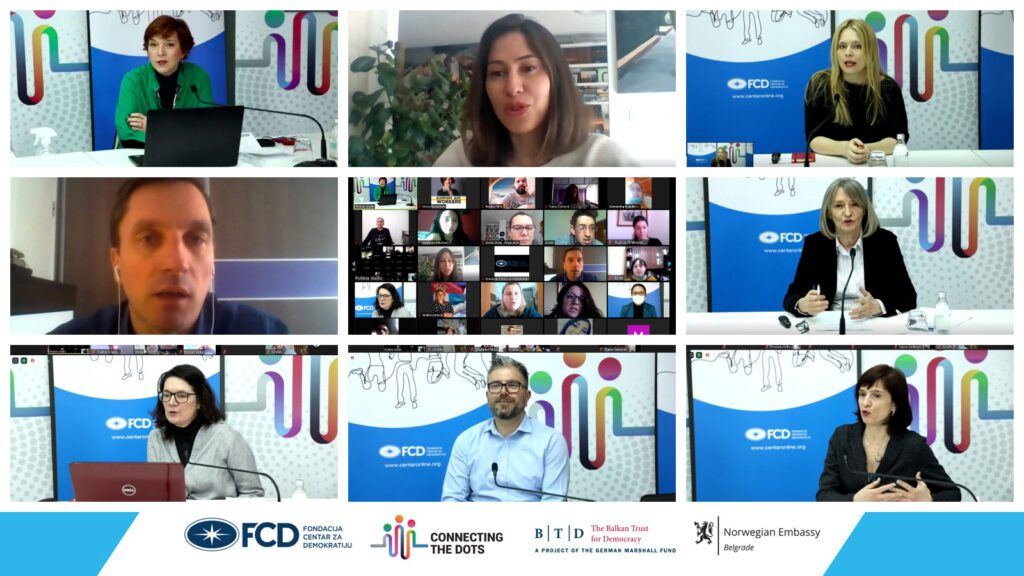
The Center for Democracy Foundation organised training on the topic Social and Economic Rights in Public Policy under the Politeia Institute and the Connecting the Dots project. Politeia training was held via an online platform, with 36 participants from local communities i.e., representatives of CSOs, local self-government, companies, and so on. During the online schooling, participants acquired new knowledge in the area of social and economic rights in creating public policy. The training programme, inter alia, included issues such as: human rights and public policy, key actors in the protection of socioeconomic rights, social dialogue at the local level, social…
Key Findings of the Analysis of the Proposed National Employment Strategy for the Period 2021-2026
As the public debate on the Proposed National Employment Strategy (Draft) winds down, we hereby provide the key findings of the NCEU Working Group for negotiating chapters 2 and 19 – Social Policy and Employment: 1. The proposed document is aimed primarily at employment market policy and not on employment policy. Excluding the employment and labour sectors, no other sectors are listed as responsible for strategy implementation. The Proposal fails to envisage the manner in which social dialogue obstacles are to be overcome. Measures to strengthen the capacities of social partners are not envisaged, nor are measures to advance the…
Merry Christmas and Happy New Year!

Merry Christmas and Happy New Year! Center for Democracy Foundation CDF
Nataša Vučković: The political elites of the Balkans are not doing enough to promote reconciliation and trust building in the region
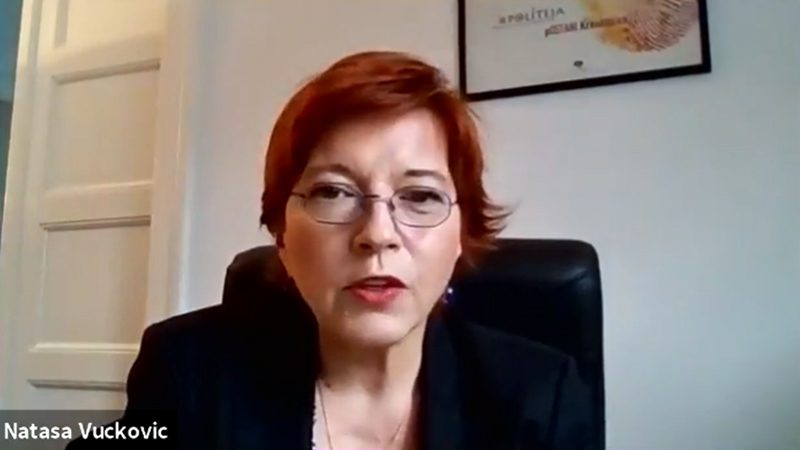
On 21 December 2020, the Regional Forum Remembrance and Intercultural Dialogue was organised in collaboration with ALDA (European Association for Local Democracy), CEI (Central European Initiative), WBFG (Western Balkans Fund), and the Balkan Network for Local Democracy. The Executive Director of the Center for Democracy, Nataša Vučković, along with Antonella Valmorbida, Secretary General of ALDA and Ugo Poli from the Central European Initiative all spoke at the opening of the Forum. In addressing Forum participants, Vučković emphasised that reconciliation and trust building is a necessity in the Balkans toward creating a safe and stable regional environment. “It is necessary that…
Serbia Fails to Introduce Measures to Assist Those Most Vulnerable
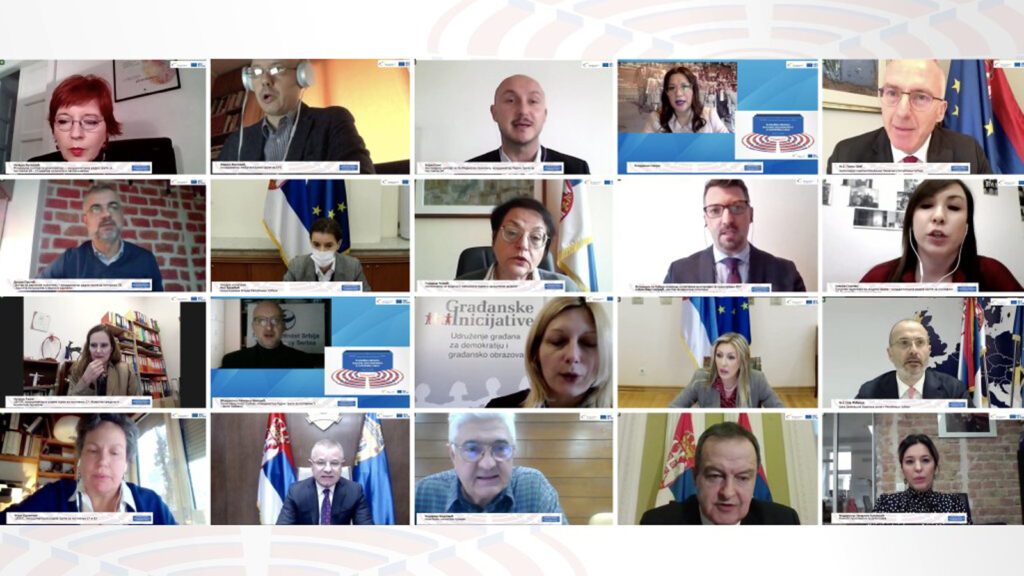
Executive Director of the FCD asks a few questions of the Prime Minister The National Convention on the EU held a plenary session on 17 December 2020, the main topic of which was rule of law. The following representatives of the Government spoke at the plenary session: Prime Minister Ana Brnabić, Speaker of the National Assembly Ivica Dačić, Minister of European Integration Jadranka Joksimović, Minister of Human and Minority Rights and Social Dialogue Gordana Čomić, as well as representatives of the Ministry of Justice and the Ministry of the Interior. Srđan Majstorović, Coordinator of the Intersectoral Working Group for Political…
ANNUAL CONFERENCE Labour and Employment – What Can We Expect in 2021?

On 15 December 2020, the Center for Democracy Foundation organised its annual conference entitled Labour and Employment – What Can We Expect in 2021? As a result of the social and economic crisis caused by the COVID-19 epidemic, the situation concerning labour rights has further deteriorated relative to last year. Certain professions are especially vulnerable, sensitive groups on the labour market are facing new issues, as are those working in the informal sector. Over 10% of the workforce is poor. Precarious work is on the rise, and the most vulnerable workers are now even more so. In addition to existing…
HOW TO ENSURE EQUAL PARTICIPATION OF WOMEN IN THE LABOUR MARKET
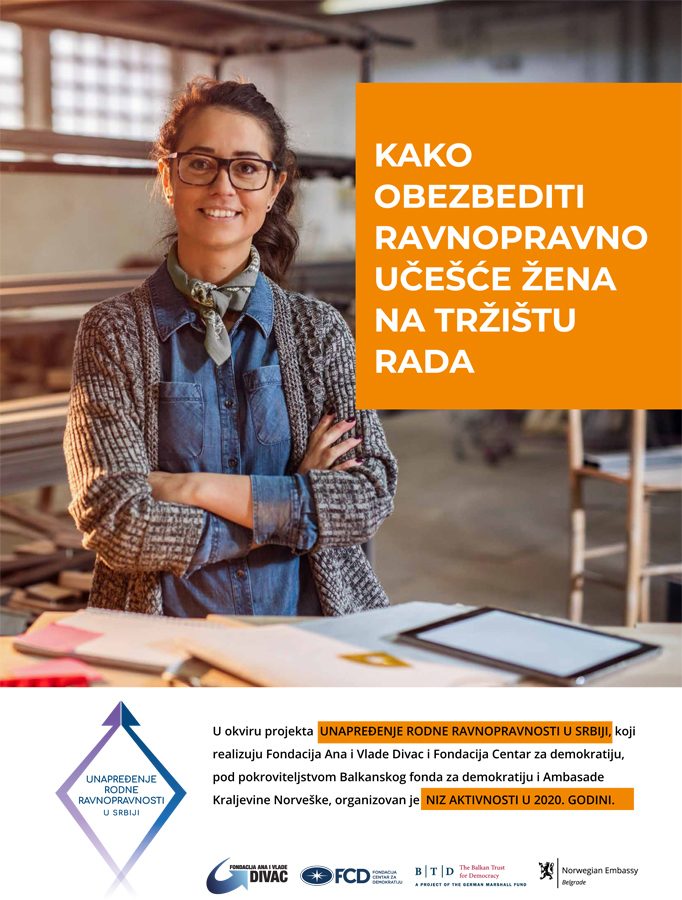
In 2020, a range of activities were organised within the project entitled Improving Gender Equality in Serbia, implemented by the Ana and Vlade Divac Foundation and the Center for Democracy Foundation, under the auspices of the Balkan Fund for Democracy and the Embassy of the Kingdom of Norway. Research was conducted on the inclusion of gender perspectives in local employment policies. All activities were organised in ten towns/municipalities in Serbia, as follows: Zlatibor District (Užice, Požega and Arilje), South Bačka District (Bečej, Bačka Palanka and Sremski Karlovci) and in the Pčinja District (Vranje, Vladičin Han and Surdulica). Consultative meetings were…
Vulnerable Groups and the Pandemic
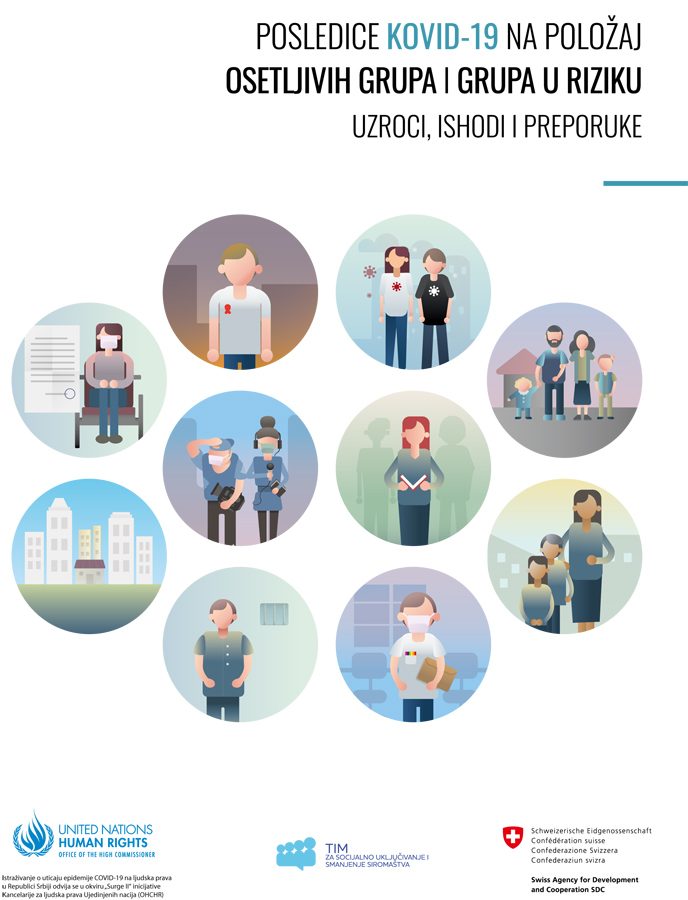
On 9 December 2020, the UN Human Rights Team and the Social Inclusion and Poverty Reduction Unit presented an analysis entitled Impact of the Covid-19 on Vulnerable Groups and Groups at Risk – Causes, Outcomes and Recommendations. During the discussion of urgent and mid-term recommendations, Nataša Vučković emphasised that this Analysis was exceptionally valuable as it speaks of the real-life situations of groups which are affected by the pandemic and the state of emergency in various ways. “This Analysis discloses the issues in a very specific manner, even to those who deal with human rights and regularly monitor vulnerable groups….
Sustainable Development for All Platform
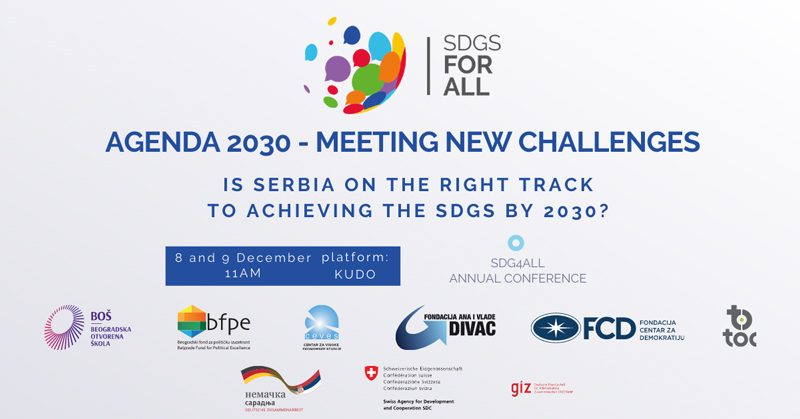
News about the Project that brings us to our future goals Annual Conference December 8-9 The Sustainable Development for All Platform Annual Conference was held 8-9 December 2020. The conference was organized as an annual retrospective of the project dedicated to the affirmation of the Sustainable Development Goals #SDGs defined in the UN’s strategic #Agenda2030 to which Serbia is a signatory. Over the course of two days, the conference attempted to shed light on Serbia’s development challenges and perspectives within the broader international context. A number of relevant participants discussed the issue, among whom our Executive Director of the Center…
Rather Than Promoting the Application of Law, Serbia’s National Assembly Has Become a Promoter of Hate Speech
The Center for Democracy Foundation joins the general population and civil society organisations in their criticism of the aggressive campaigns and hate speech directed at certain individuals and the media coming directly from the Plenary Hall of Serbia’s National Assembly. Within its legislation, the Republic of Serbia has provided mechanisms for combating hate speech. These mechanisms are defined in the Prohibition of Discrimination Law, Public Information and the Media Law, Electronic Media Law and finally the Criminal Code. Furthermore, Serbia is a member of the Council of Europe, an international organisation that has been leading institutional processes for many years,…
Public Monuments – Then and Now
Author: Irina Subotić, Art Historian, President of Europa Nostra Serbia In their essence, the purpose of traditional monuments was to glorify or commemorate; a desire to preserve the ritual of remembering historically significant individuals or events. This tradition, which has developed from ancient times and continues on to this day, has adapted to the times, the genius loci, and the layered meaning, forms and objectives of a society that raises a monument. Each era and every culture have their own specific features which make up the corpus of world civilisation – history, art, urbanism, architecture, archaeology, etc., precisely because they…
Nataša Vučković at the Let Justice Rule Conference
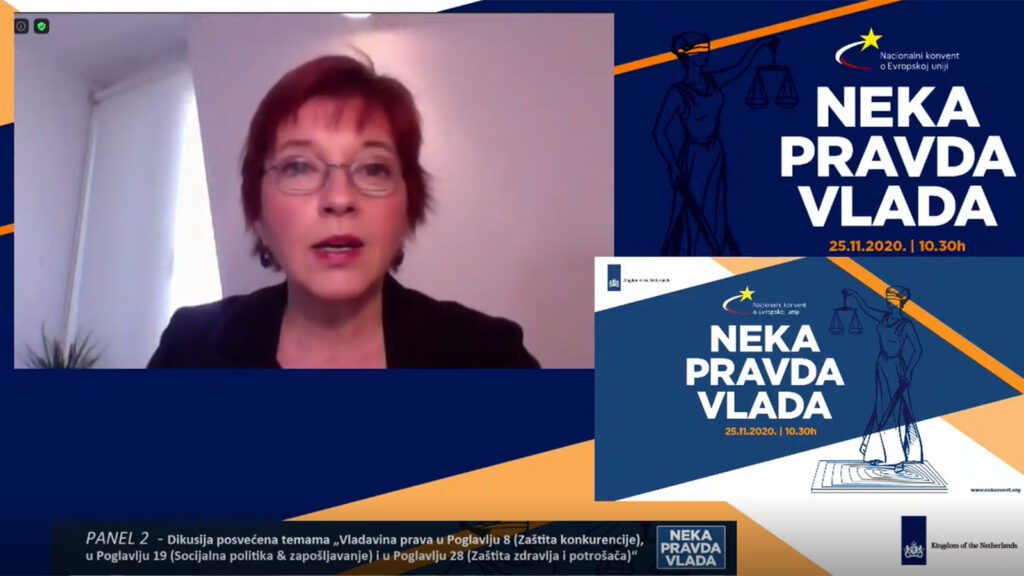
Presentation held by the Center for Democracy Foundation’s Executive Director Nataša Vučković at the online conference entitled Let Justice Rule organised by the National Convention on the EU For starters, let’s examine where we’re at in terms of Chapter 19. In May of this year, the RS Government adopted Action Plan (AP) for Chapter 19 – Social Policy and Employment, which is a screening prerequisite. Next to follow is Plan implementation, preparing a position from which to negotiate and currently, a matrix is being developed for monitoring AP application. Why is this chapter important and in what way is it…
