
The CDF as a member of the Council for Gender Equality and the Council for Monitoring the Implementation of the Strategy of Prevention and Protection Against Discrimination
The CDF was selected for membership in the Council for Gender Equality of the Government of the Republic of Serbia and the Council for Monitoring the Implementation of the Strategy of Prevention and Protection Against Discrimination for the Period 2022-2030. The Law on Gender Equality provides that the Government establishes a Council for Gender Equality as an advisory body to the Government that includes civil society. CSOs are important actors, the activities of which contribute to achieving and improving gender equality in society. The adoption of the Strategy of Prevention and Protection Against Discrimination for the Period 2022-2030 envisages providing…
Nataša Vučković for Nova S TV: The people expect the judicial system to deliver justice
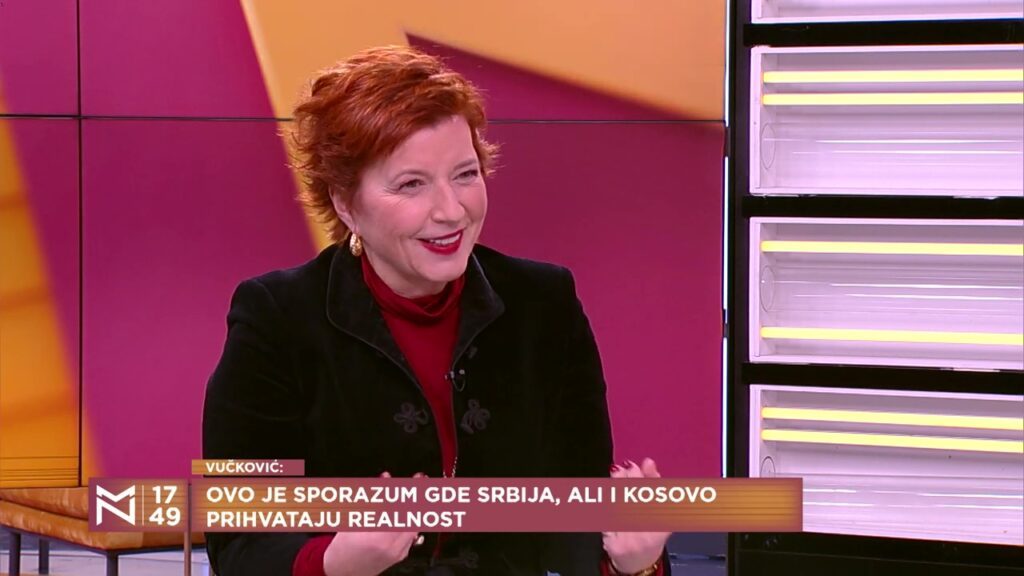
“I think we’ve made some progress towards normalisation, toward seeking out solutions that will allow us to break free from this marry-go-round we’ve been stuck on. I think this is a positive step forward for Serbia,” said the Secretary General of the Center for Democracy Foundation, Nataša Vučković for Nova S TV. “What we need to highlight is that this is a situation which indicates that Serbia is accepting of the realities which exist, in the same way that Kosovo must accept the Community of Serb Municipalities,” said Vučković in response to the new rounds of talks between Belgrade and…
CDF: Improving social services in the community, with the aim of improving the quality of life of the poor
Announcement Commemorating World Day of Social Justice To commemorate World Day of Social Justice, the Center for Democracy Foundation emphasises the difficult positions of vulnerable groups in Serbia and the need to improve social services in the local communities, to improve the lives of the poor. Single parents, parents with two or more children, the elderly and beneficiaries of Financial Social Assistance in particular, are suffering. Our analyses indicate that Financial Social Assistance and Child Allowance both need to be increased, which was recommended by the Fiscal Council as a key measure. Furthermore, in its recommendations the European Commission has…
Messages of peace and support to our colleagues in the civil society of Ukraine
On behalf of the Foundation Centre for Democracy, Nataša Vučković, member of ALDA Steering Committee and Secretary General of the Foundation Centre for Democracy, sends support to our colleagues in the civil society of Ukraine with a strong desire that peace and a safe life for all Ukrainian citizens be established as soon as possible. Civil society organisations have a substantial role in spreading the truth, informing the public and fighting for European values, but above all in advocating for peace and peaceful conflict resolution and providing assistance to vulnerable citizens, refugees and displaced persons, deprived of their homes, belongings…
Vučković for K1 TV: Poverty data is worrisome; it is necessary to increase Financial Social Assistance and Child Allowance
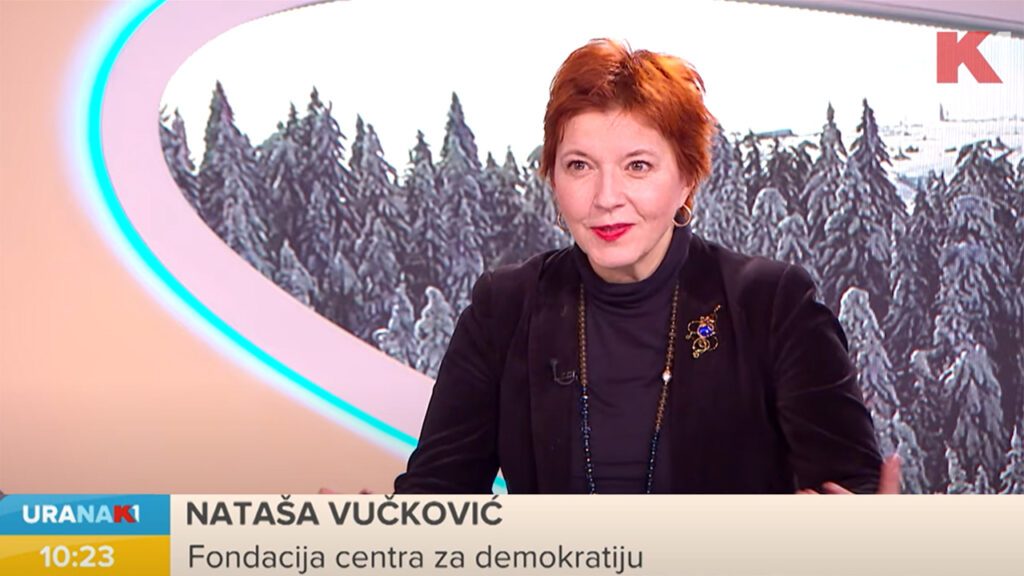
“We attempted to identify the real issues of Serbia’s poor, through analysis and research. What we discovered was devastating,” said Nataša Vučković, Secretary General of the CDF for K1 TV. When we look at poverty data findings and projections, collected through activities of the joint UN programme “Extending Social Protection in Serbia through Enhanced Shock-Responsive Policy”, Vučković emphasised that a lot depends on the support of the community. Single parents, parents with two or more children, the elderly and beneficiaries of Financial Social Assistance in particular, are suffering. The state can and should improve social services in local communities, thus…
Successful implementation of the Erasmus+ project – SMELT
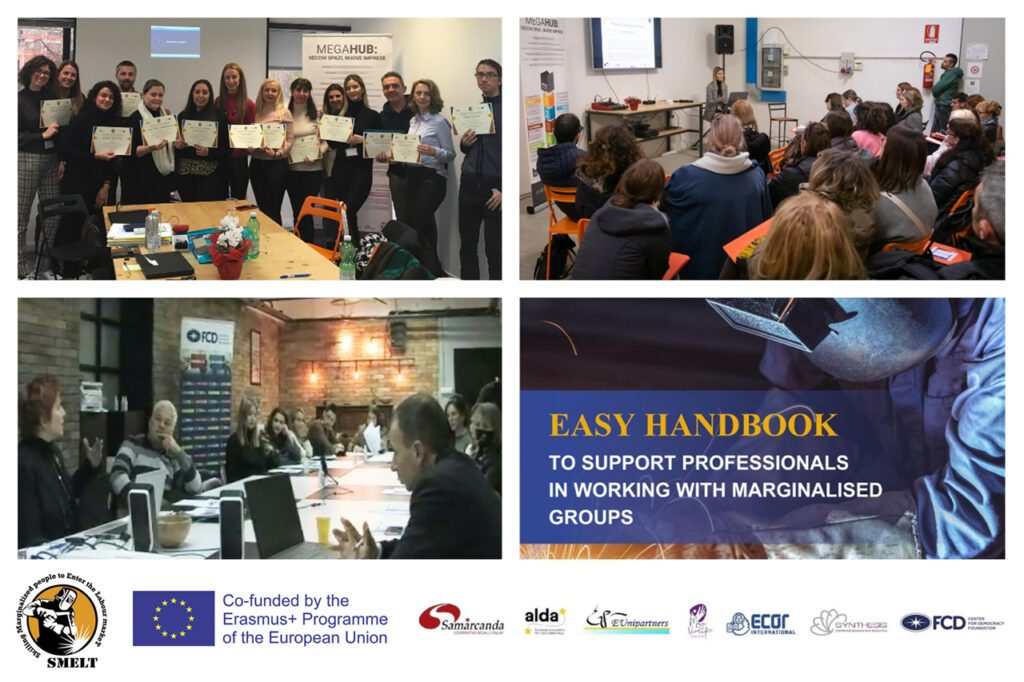
Skilling Marginalized people to enter the Labour Market Implementation of the SMELT project, which started in 2020 was finalised with the closing conference entitled “Social Inclusion Skills Development and the Employment of Vulnerable Groups” held 16 and 17 January 2023 in Schio, Italy, within the framework of the fifth Transnational Partners’ Meeting. The CDF completed this project in collaboration with partners from five EU countries, with the aim of improving the position of vulnerable groups and providing the skills they need to join the labour market. At the closing conference, the project partners presented their achievements/results to interested parties, among…
Nataša Vučković speaks to Nova S TV on the Council of Europe and Kosovo

“When you become a member of the Council of Europe, you have to prove your willingness to adhere to and execute the obligations you undertake with membership at the international level. Your internal plans must also adhere to all standards, principles and human rights”, said Nataša Vučković for the Daily News at Nova S TV in response to the decision not to consider Kosovo’s membership in the Council of Europe. As far as the Council of Europe and other international organisations are concerned, this means that Kosovo is not ready to execute the obligations it undertakes through international treaties. “In…
Vulnerable Households in Serbia Face Unique Challenges due to Ukrainian Crisis
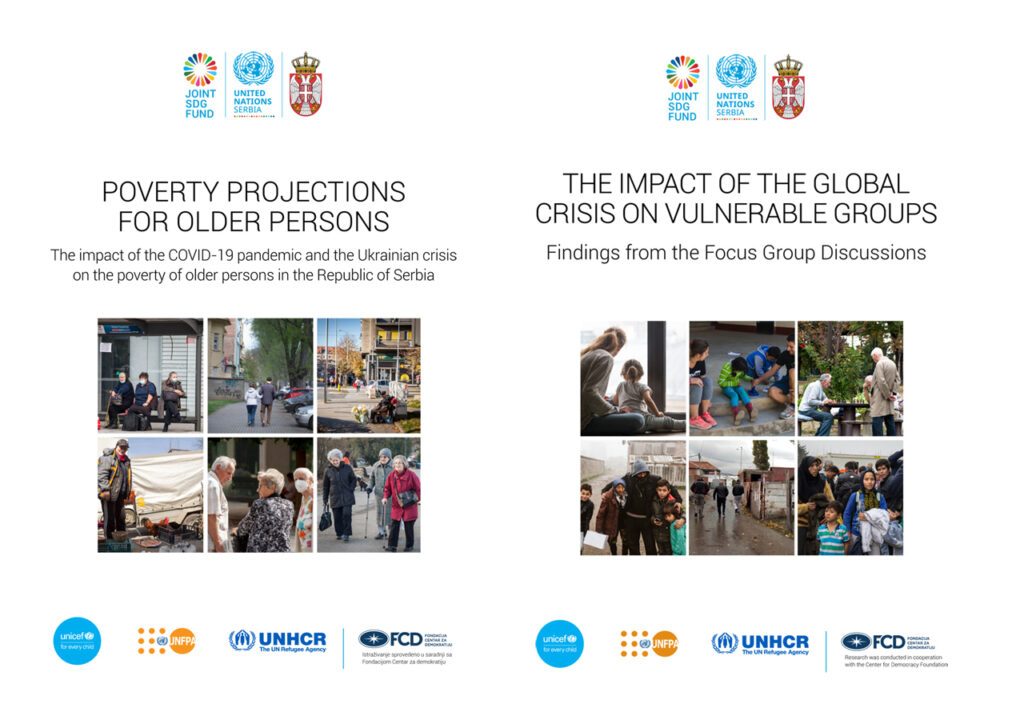
“Extending Social Protection to Families in Serbia with Enhanced Shock-Responsiveness” New research has revealed that vulnerable and marginalized population groups in the Republic of Serbia are facing distinct challenges resulting from both the COVID-19 pandemic and the Ukrainian crisis. Poverty projections for the most vulnerable population categories in Serbia – families with children and older persons – were presented today by UNFPA, UNICEF, UNHCR and the UN Resident Coordinator’s Office as part of the Joint United Nation’s Programme “Extending Social Protection to Families in Serbia with Enhanced Shock-Responsiveness” which is mainly funded by the UN Joint SDG Fund. Bearing the…
SMELT Final Conference: The conclusion of a path characterised by professionalism, humanity and empathy
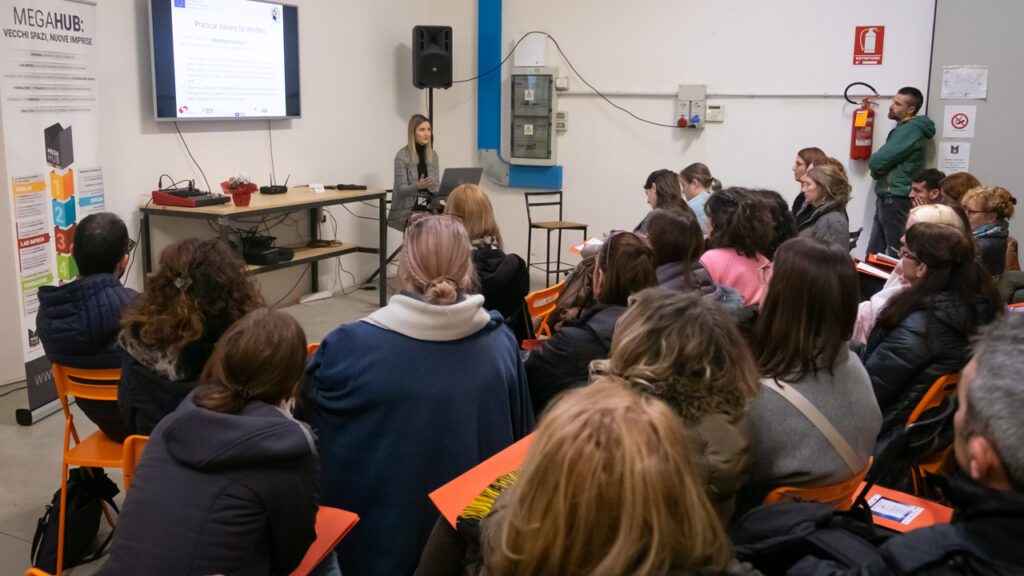
SMELT – Skilling Marginalized people to Enter Labour Market The journey of the SMELT project – Skilling Marginalised people to Enter the Labour markeT, started back in 2020, came to an end. After two years of hard work, on January 16, 2023, the Final Conference of the project took place in Schio (Italy) within the framework of the fifth and last Transnational Partners Meeting. During the Final Conference, the project partners presented to the audience, composed of Local Authorities, Civil Society Organisations, Associations and professionals working in the field of social inclusion, the achievements and results of the project. After…
LAWGEM leads to the publication of the textbook Gender-Competent Legal Education and the first book in the Gender Perspectives in Law edition
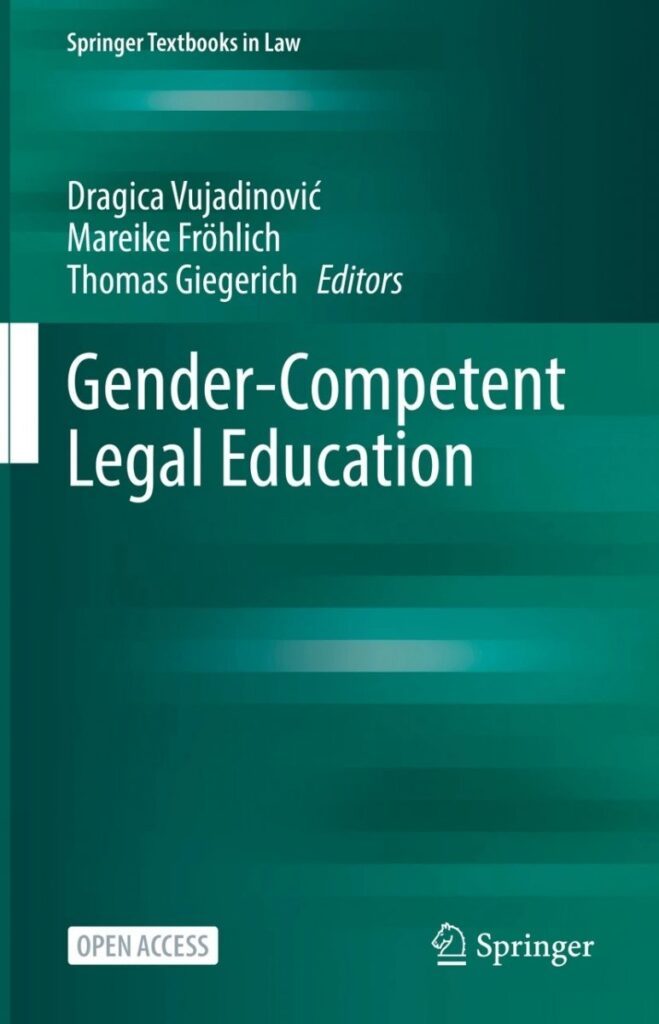
New Quality in Education for Gender Equality – Strategic Partnership for the Development of Master’s Study Program LAW AND GENDER, LAWGEM University of Belgrade Faculty of Law is glad to inform you that the New Quality in Education for Gender Equality – Strategic Partnership for the Development of Master’s Study Program LAW AND GENDER, LAWGEM has led to the development and publication of books of great importance not only for teaching staff, but also for legal practitioners, students, as well as anyone else interested in acquiring a better understanding of contemporary gender competent legal questions. This primarily relates to the…
HAPPY HOLIDAYS!
Center for Democracy Foundation Merry Christmas and Happy New Year! Srećni novogodišnji i božićni praznici! Center for Democracy Foundation
Vučković: Public Support for EU Integration Crucial
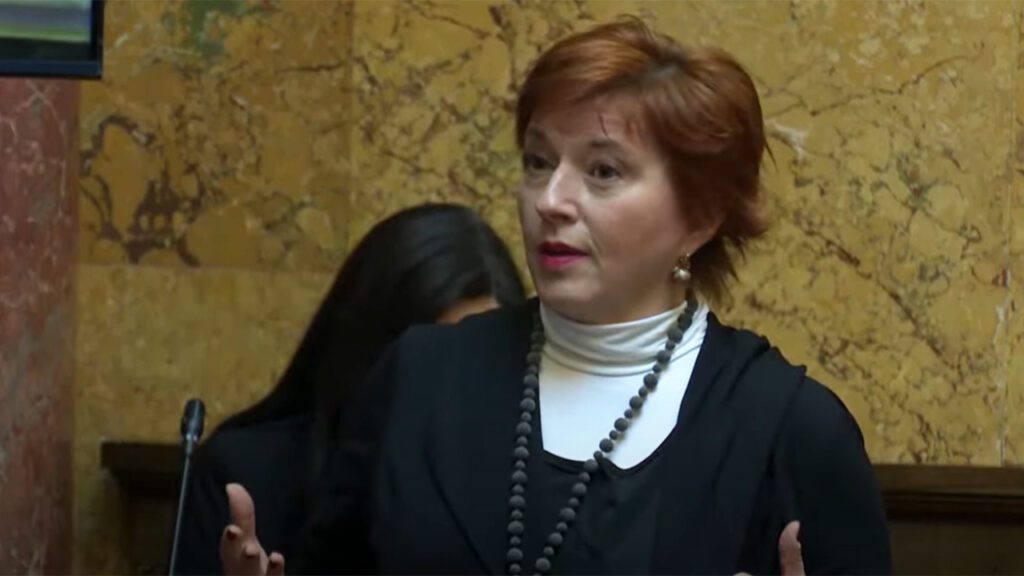
Nataša Vučković at the Plenary Session of the National Convention on the EU The drastic decrease of public support for the EU integration process is truly alarming, said Nataša Vučković, Secretary General of the Center for Democracy Foundation and Coordinator of the Working Group for the National Convention on the European Union (NCEU) for negotiation Chapters 2 (Freedom of Movement for Workers) and 19 (Social Policy and Employment). Part of the reason for this is the manner in which the Government communicates on issues relative to EU integration. This includes issuing contradictory statements and providing ambiguous information concerning certain processes,…
