
OP-ED: Where the EU has benefits, the Western Balkans has potential
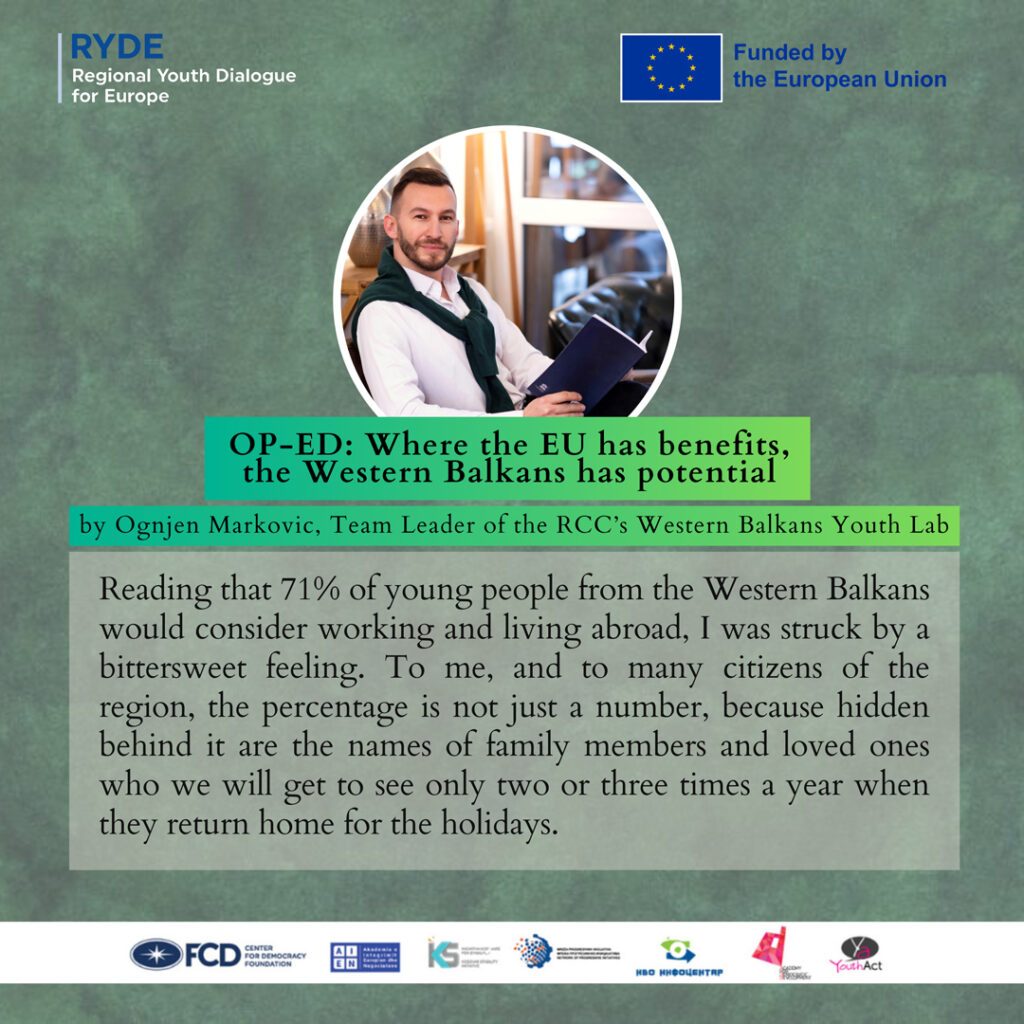
Regional Youth Dialogue for Europe project by Ognjen Markovic, Team Leader of the RCC’s Western Balkans Youth Lab project I was 13 years old when the first person from my close-knit circle of family announced she was leaving Montenegro. Back then I was not yet aware that it was the beginning of a ‘trend’ and that over the next few years I would keep witnessing more and more people I know leaving our homeland to find a living in the EU. Reading that 71% of young people from the Western Balkans would consider working and living abroad, I was struck…
OP-ED: Where the EU has benefits, the Western Balkans has potential
Regional Youth Dialogue for Europe project by Ognjen Markovic, Team Leader of the RCC’s Western Balkans Youth Lab project I was 13 years old when the first person from my close-knit circle of family announced she was leaving Montenegro. Back then I was not yet aware that it was the beginning of a ‘trend’ and that over the next few years I would keep witnessing more and more people I know leaving our homeland to find a living in the EU. Reading that 71% of young people from the Western Balkans would consider working and living abroad, I was struck…
Round table: Discrimination in the Workplace and Protective Mechanisms
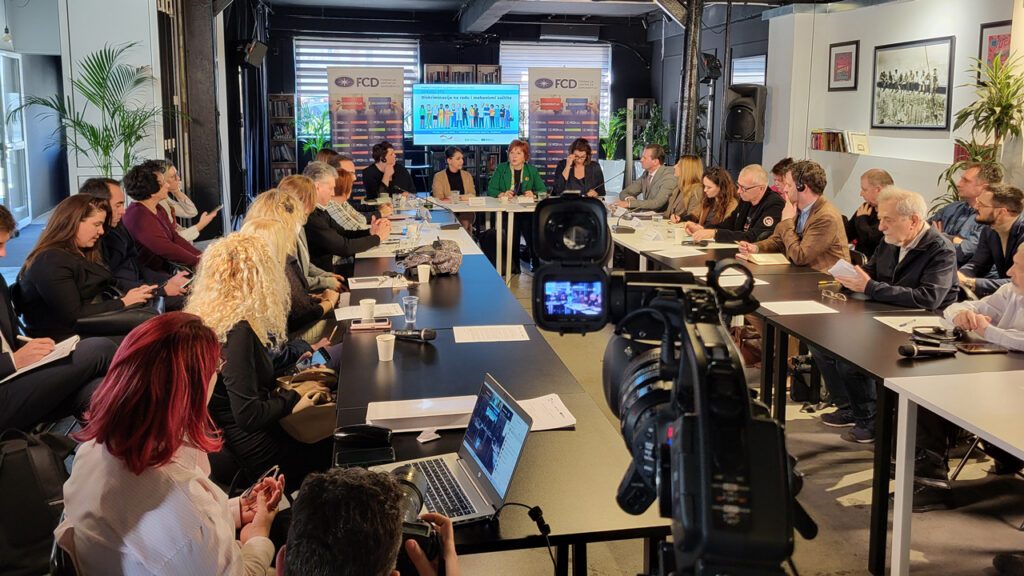
Initiative for Global Solidarity (IGS) The Center for Democracy Foundation organised the third public debate on the protection of human rights in the context of business. The objective of this series of dialogues was to inform and raise awareness on the protection of human rights in global supply chains and relevant international legislations and practices. A series of dialogues are being conducted within the Initiative for Global Solidarity (IGS) project, implemented by GIZ in Serbia, as part of wider efforts to achieve efficient and active participation of institutions, trade unions, CSOs, the business community and other stakeholders. The round table…
On youth political participation and youth policies with parliamentarians and civil society representatives from the Western Balkans
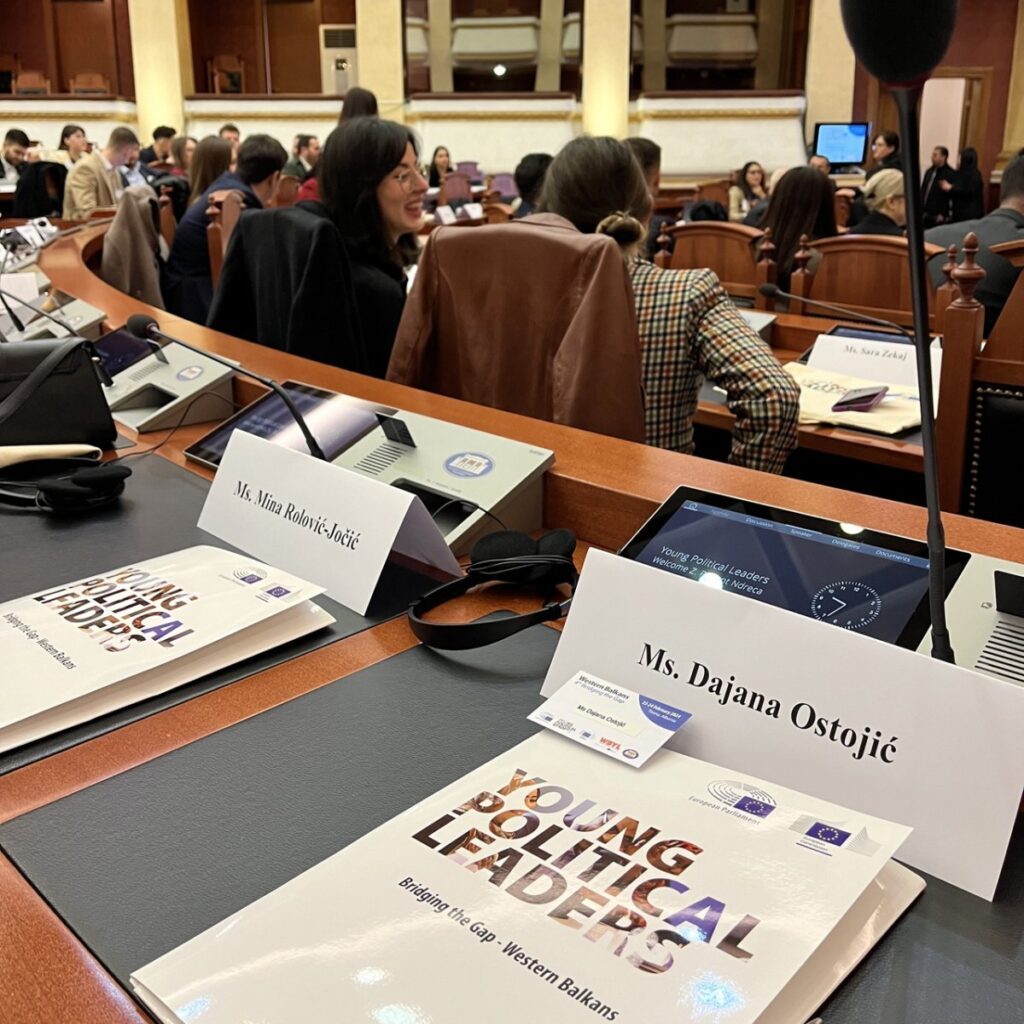
CDF representatives at the 4th “Bridging the Gap” in Tirana As part of the European Parliament's "Young Political Leaders Programme for the Western Balkans“, the 4th Bridging the Gap on youth political participation and youth policies, which brings together young Members of Parliament and representatives of youth civil society organizations from the Western Balkans, was held in Tirana. The event was held on 23-24 February 2024 in the Parliament of the Republic of Albania in Tirana, organized by the European Parliament, the European Commission (DG Near) and the Regional Cooperation Council. The 4th Bringing the gap aimed to discuss common…
Equality and Social Justice for All Inhabitants of Serbia
CDF Announcement Commemorating World Day of Social Justice In a democratic and just society, all people are equal and have equal access to rights, social resources and opportunities for dignified work and development. On the occasion of World Day of Social Justice, the Center for Democracy Foundation calls for additional efforts to be made in the fight against inequality, discrimination and poverty in Serbia. It is important that the most vulnerable groups are protected from discrimination and social exclusion, especially Roma men and women, women, people with disabilities, the elderly, and that everyone has access to quality education, healthcare and…
CDF: Human Rights Guarantee Equality for All and Must be Respected!
Announcement concerning the difficult situation of Indian workers at the construction site of the Linglong factory in Zrenjanin Official implementation of the Law on Amendments to the Law on the Employment of Foreigners in Serbia begins today. The Center for Democracy Foundation requests that competent authorities consistently apply the law and protect the rights of all workers. Unfortunately, we are witnessing a severe violation of human and labour rights of workers. There are well-founded suspicions that Indian workers in Zrenjanin are being exploited. This includes denying them freedom of movement as their passports have been confiscated, their work permits have…
Western Balkans Youth in Policy Making Processes
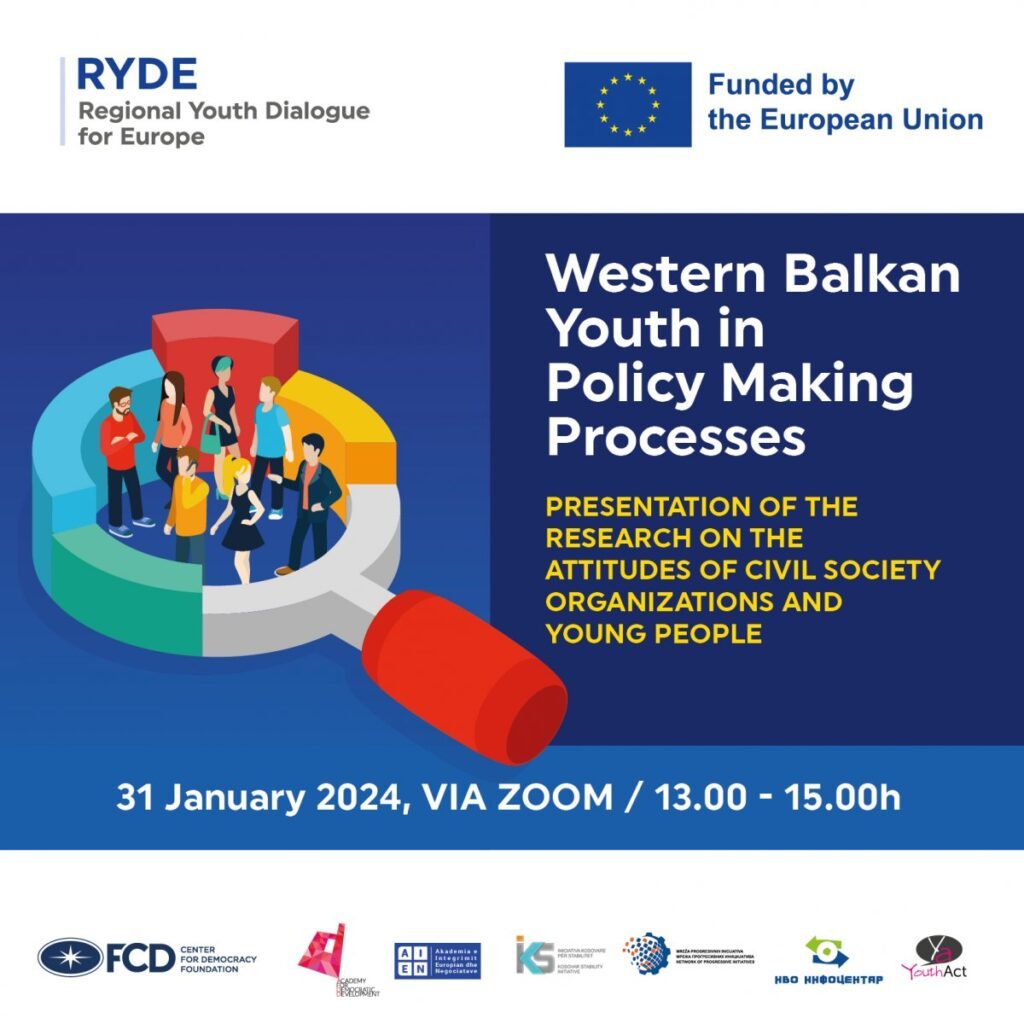
Regional Youth Dialogue for Europe Project (RYDE) Presentation of the Research on the Attitudes of civil society organisations and young people 31 January 2024, via Zoom, 13-15h The Research includes the views of CSOs and young individuals – political activists, journalists, scholars and others interested parties in the youth-related policy making process. The researchers will display the findings based on reported experiences, attitudes, capacities and challenges of youth-oriented civil society organisations and young individuals in the policy making process from the Western Balkan Region – Albania, Bosnia and Hercegovina, Kosovo*, Montenegro, North Macedonia and Serbia. The event will gather the…
Navigating the EU Youth Dialogue and Strengthening Youth Decision-Making in Serbia

Regional Youth Dialogue for Europe project The EU Youth Dialogue (EUYD), formerly known as Structured Dialogue, is a mechanism implemented at the European Union (EU) level to address youth issues and needs. Through this dialogue, decision-makers gain insight into the concerns and demands of young people, enabling them to make informed decisions that are in the best interest of the youth. Simply put, the EUYD provides a platform for young people to participate in the political decision-making process and make their voices heard. Aligned with the EU Youth Strategy 2019-2027, EUYD supports its implementation and encourages cooperation between EU countries…
Navigating the EU Youth Dialogue and Strengthening Youth Decision-Making in Serbia
Regional Youth Dialogue for Europe project The EU Youth Dialogue (EUYD), formerly known as Structured Dialogue, is a mechanism implemented at the European Union (EU) level to address youth issues and needs. Through this dialogue, decision-makers gain insight into the concerns and demands of young people, enabling them to make informed decisions that are in the best interest of the youth. Simply put, the EUYD provides a platform for young people to participate in the political decision-making process and make their voices heard. Aligned with the EU Youth Strategy 2019-2027, EUYD supports its implementation and encourages cooperation between EU countries…
Is there any progress in Western Balkan economies in implementing the Youth Guarantee programme?

Regional Youth Dialogue for Europe Project Over the last few years, the youth unemployment rate has continuously decreased in all WB economies. However, it varies from economy to economy and remains higher compared to EU member states. The highest youth unemployment rate is in North Macedonia, at 34.9%, while the lowest is in Kosovo* – 21.4%. According to Eurostat data from November 2023, youth unemployment in the EU stands at 14.5%. A decade ago, this rate was roughly 24%. How did youth unemployment decrease by approximately 10% over the past 10 years in the EU despite the COVID-19 pandemic, the…
Is there any progress in Western Balkan economies in implementing the Youth Guarantee programme?
Regional Youth Dialogue for Europe Project Over the last few years, the youth unemployment rate has continuously decreased in all WB economies. However, it varies from economy to economy and remains higher compared to EU member states. The highest youth unemployment rate is in North Macedonia, at 34.9%, while the lowest is in Kosovo* – 21.4%. According to Eurostat data from November 2023, youth unemployment in the EU stands at 14.5%. A decade ago, this rate was roughly 24%. How did youth unemployment decrease by approximately 10% over the past 10 years in the EU despite the COVID-19 pandemic, the…
Analysis: Poverty Reduction Through Sustainable Agriculture in Serbia
SDGs for All Platform Author: Darija Šajin The analysis Poverty Reduction Through Sustainable Agriculture in Serbia was part of the work prepared by the Thematic Group Poverty Eradication of the Social Pillar of the SDGs4All Platform. ABSTRACT/SUMMARY Poverty in the Republic of Serbia is predominantly a rural phenomenon, given the fact that in certain period, rural areas were affected by it up to twice as much as cities. Lower unemployment rates in rural areas compared to urban areas are explained by the high rate of self-employment on family farms. The dominant part of the active rural population of Serbia engages in agriculture. The dependence of…
